What Month Is The Cheapest To Visit Yellowstone?
A month-by-month look at which winter months cost least for a Yellowstone trip, covering visitation data, tour prices, permit fees, and how to book a budget oversnow season.
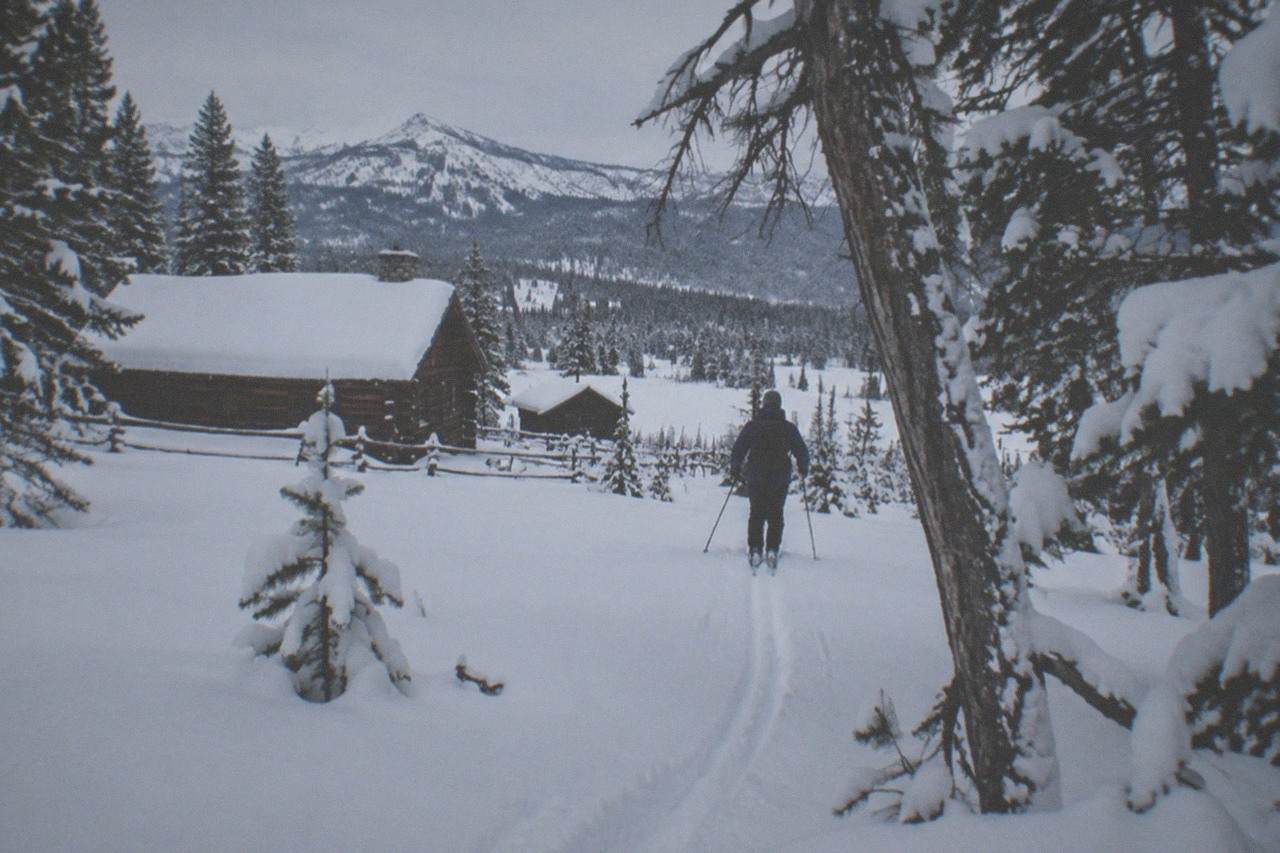
What Month Is The Cheapest To Visit Yellowstone?
Yellowstone is dramatically cheaper in winter than in summer, and the cheapest months within the oversnow season are early December, before the holiday rush, and plain midwinter January. NPS visitation averages put January at roughly 28,837 recreation visits, about 0.72 percent of the annual total, while summer absorbs the overwhelming share of the park's traffic; guided winter tours out of Jackson Hole run from $300 to $475 per person. Fewer people means cheaper lodging, emptier tour departures, and a shot at last-minute spots on the snow.
Why does this gap exist? Most of Yellowstone's interior closes to private cars in early November and does not reopen to wheeled vehicles until late April. Between mid-December and mid-March, the only ways to Old Faithful or the Grand Canyon of the Yellowstone are a guided snowmobile tour, a snowcoach, or a hard-to-get non-commercial permit. That barrier keeps the crowds away all winter. It also means a budget trip here is a winter trip by definition: you cannot cheaply drive yourself to the interior sights in any month of the oversnow season, so the tour you book becomes the core line item. For contrast, the peak-season crowds that flood Yellowstone in summer are exactly what this quiet oversnow season lets you escape.
The money math differs by month even inside that narrow window. December splits in two: the days before the holidays are quiet and inexpensive, while the week between Christmas and New Year behaves like a mini July, with holiday pricing to match. February draws the most winter visits of any month in the NPS averages, roughly 33,088, pushed up by Presidents Day week and school breaks. March thins out again, though the season's staggered road closures begin as early as March 7 on the Mammoth-to-Norris segment. Winter lodging in the gateway towns is priced to these rhythms, so the same hotel room can swing noticeably between the first week of December and the third week of February.
If your budget is the deciding factor, aim for the shoulder edges: the opening weeks of the oversnow season in mid-December, or the depth of January when families are home and the park is at its quietest. A well-priced winter plan usually starts with picking the cheapest guided snowmobile tour that fits your dates, then building lodging and travel around it.
How Season Dates Set The Cheapest Windows
Yellowstone's oversnow season runs from mid-December to mid-March, and the projected 2026-27 dates are December 15, 2026 through March 15, 2027, with some interior segments closing as early as March 7. Every window inside that span is winter, so the cheapest-month question becomes which winter weeks carry the least demand and the most open tour seats.
The National Park Service fixes this window by snowpack rather than by visitor preference. Roads close to regular automobiles in early November, and once enough snow accumulates, usually by mid-December, the same roads open to guided snowmobiles, snowcoaches, and the limited non-commercial permit program. Exact dates are weather-dependent every year, so the NPS park roads page is the source to confirm before committing money.
That calendar creates three distinct budget windows inside one season. The first, the opening stretch after the season starts, is the cheapest part of the whole winter: operators are running, snow is fresh, but holiday travelers have not yet arrived. The second window is mid-January through early February, when the holiday wave has passed and the Presidents Day wave has not yet arrived, often the easiest stretch for finding a seat on a guided tour at short notice. The third is the back half of March, quiet as well, but the season's staggered closures shrink what you can actually reach, so the savings there come with an asterisk.
Every guided snowmobile and snowcoach trip runs inside that same window, so the cheapest month for the park is also the cheapest month for a tour. The Yellowstone Old Faithful full-day snowmobile tour from Jackson Hole, rated 4.6 across 338 reviews and priced from $475, departs with hotel pickup in the Jackson area and enters through the South Entrance. Booking it for a mid-December or mid-January date instead of a holiday-week date can be the difference between a sold-out departure and a tour with open seats at the same listed price. Checking availability early, before the holiday rush locks in, is the single cheapest move in winter planning.
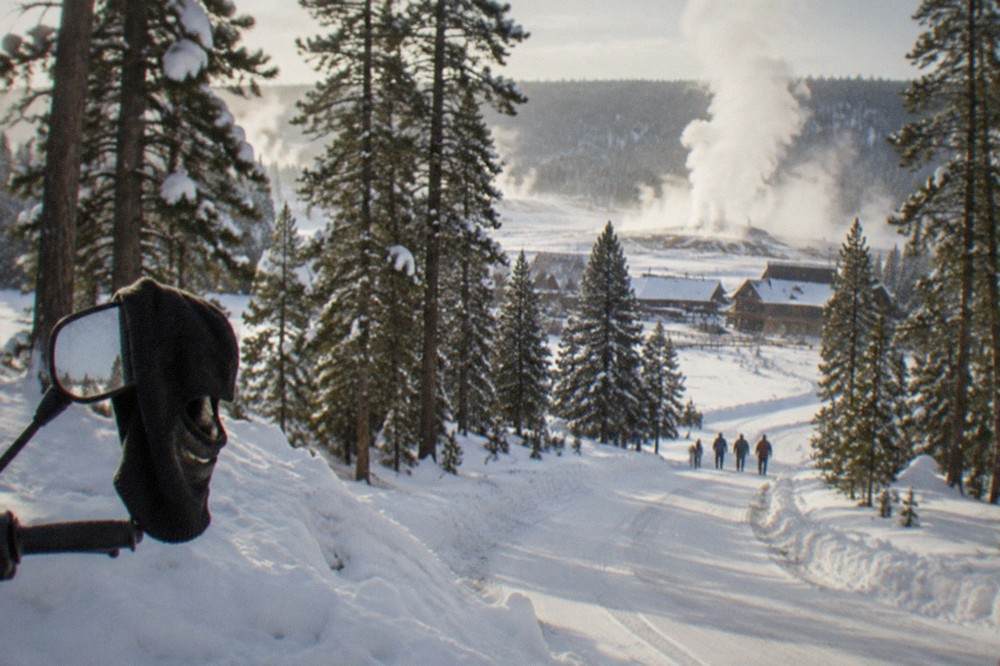
Month-By-Month Costs: Visits, Fees, And Tour Prices
Park entry costs the same in every month: $35 for a seven-day private vehicle pass, $20 per person entering outside a vehicle, or $30 per snowmobile. What changes is demand. January averages roughly 28,837 recreation visits and February roughly 33,088, and the guided tours themselves run from $300 outside the park to $475 for the in-park Old Faithful day.
The entrance fee line never decides anything by itself, because it is flat across all months. Beyond the standard pass, non-US residents aged 16 and up pay an additional $100 per person unless they hold an annual pass, and children under 16 are free. Those figures come straight from the NPS Yellowstone fees page, and they are identical in December, January, and March.
What changes month to month is demand. Here is how the winter months actually compare, using NPS historical monthly averages for recreation visits alongside the winter tour price floors published by each outfitter.
| Month | Average recreation visits | Character of the month | Budget angle |
|---|---|---|---|
| December | ~20k | Season opens mid-month; holiday surge late in the month | Cheapest in the first week after opening, before holiday pricing |
| January | ~28,837 (0.72% of annual) | Deepest quiet of the open season | Lowest demand, best odds of open tour seats |
| February | ~33,088 (0.82% of annual) | Busiest winter month, driven by Presidents Day week | Avoid the holiday week for the best rates |
| March | ~22,266 (0.55% of annual) | Season winds down; staggered closures begin March 7 | Quiet and cheap, but shrinking road access |
The tour prices are real per-tour figures, not estimates. Inside the park, the Old Faithful snowmobile tour runs from $475 and the Old Faithful snowcoach from $450, both with Scenic Safaris pickup in the Jackson area. Outside the park, near-Yellowstone options in Jackson Hole and the Bridger-Teton National Forest start lower: a Turpin Meadow snowmobile tour from $300, a Bridger-Teton guided tour from $350, and Heart Six snowmobiling in Jackson Hole from $360. A budget traveler who wants snow time without the park price tag can start with the from-$300 Turpin Meadow tour or the from-$360 Heart Six trip instead of the from-$475 in-park flagship, though those trips never enter Yellowstone's interior.
The non-commercial route is the wildcard for the truly frugal. The NCGSAP permit costs $40 per day plus a $6 non-refundable application fee, with a lottery each August on Recreation.gov, groups of up to five snowmobiles, and trips of up to three days. Four non-commercial groups per day are admitted, one per oversnow entrance. Even there, you must rent a BAT-compliant machine and carry the required gear, so the guided commercial tour remains the practical choice for most first-timers, and the NPS news release on the 2026-27 lottery spells out the full rules.
Cheapest Month Versus Best Conditions: The Trade-Off
January is usually the cheapest month to visit once the season is running, with visitation at roughly 0.72 percent of the annual total and the best odds of open tour seats, but it is also the coldest: daytime temperatures sit between zero and 20 degrees Fahrenheit with sub-zero nights. Early December costs less before the holidays, while February books out first.
Cheapest is not the same as best, and winter makes that trade-off explicit. The same NPS winter guidance that logs those cold readings also stresses that wind chill on a moving snowmobile sharpens them considerably; riders can add layers under the operator's suit, but they cannot add daylight. A rider dressed for January will love it. A rider who underestimates it will spend the day cold.
Early December has the opposite trade-off. Snowpack is at its youngest, so operators are running but the base is still building; the West Yellowstone snowpack station reads essentially zero depth in September, normal for the date, and the winter accumulation that opens the roads usually arrives by mid-December. If the season opens on schedule, the first week of the oversnow window can pair fresh trails with holiday-free pricing. If snow arrives late, as it has in some recent mild winters, early-December departures can be squeezed or rescheduled, and NPS warns there are no refunds for weather on non-commercial permits.
February and March trade money for reliability. February has the deepest base and the longest days of the winter, which is exactly why it is also the busiest winter month at roughly 33,088 average visits, and why its holiday week fills earliest. March offers soft light, warming temperatures, and thinning crowds, but the closure calendar starts marching: the Mammoth-to-Norris segment closes at 9 p.m. on March 7, more segments follow on March 9 and March 14, and everything shutters March 15. If your heart is set on the park's east-interior canyon route rather than Old Faithful, the earlier winter months are the safer spend.
For most budgets, the honest recommendation is this: pick mid-January if cold does not scare you and you want the lowest prices and the emptiest tours, or the first half of December if you want the season's freshest snow at pre-holiday rates. Both beat February's holiday week on cost, and both leave you far more room than a summer trip ever will.
How To Build A Cheap Yellowstone Winter Trip
Build the trip around the tour, not the hotel: winter departures are capacity-limited, so book the guided day first, base yourself in Jackson where the in-park tours pick up, and steer clear of the holiday weeks. A one-tour trip with a free driving day on the year-round Lamar Valley road beats five rushed days on the budget ledger.
A cheap trip is a sequence of small decisions, and the order matters. Book the guided snowmobile tour first: winter departures are capacity-limited by NPS rules, so your tour date anchors everything else. The in-park tours depart from the Jackson area with hotel pickup, so lodging in Jackson rather than a pricier slopeside base in Teton Village usually trims the nightly rate without touching the experience. Then hold off on holiday weeks, which is exactly the advice in our Yellowstone's most crowded month breakdown, and check whether your dates overlap the staggered March closures.
Match the product to the budget honestly. The Old Faithful in-park tour at from $475 buys the interior: geysers, the Firehole corridor, and Old Faithful itself, which erupts on a median interval of about 102 minutes plus or minus 10, frequent enough that tours reliably plan a viewing stop. The near-park options cost less and deliver mountain riding instead. Heart Six snowmobiling in Jackson Hole, rated 4.8 across 50 reviews and from $360, is a roughly four-hour trip in the Bridger-Teton National Forest that never enters Yellowstone, a fact worth knowing up front rather than discovering at the trailhead. It suits a traveler whose budget says forest trails and elk meadows rather than geysers.
Stretch the day count only where it pays. A one-day tour plus a second day of free or near-free winter sightseeing is often the cheapest satisfying itinerary: the road between Gardiner and Cooke City through the Lamar Valley stays open to regular cars year-round, so a rental car and a full tank buy a full day of bison, elk, and wolf-country viewing without any oversnow ticket at all (see Free Winter Fun). Trip length is its own question, covered in days needed for a winter trip, but the short version is that two tour days plus one driving day beats five rushed ones for most budgets.
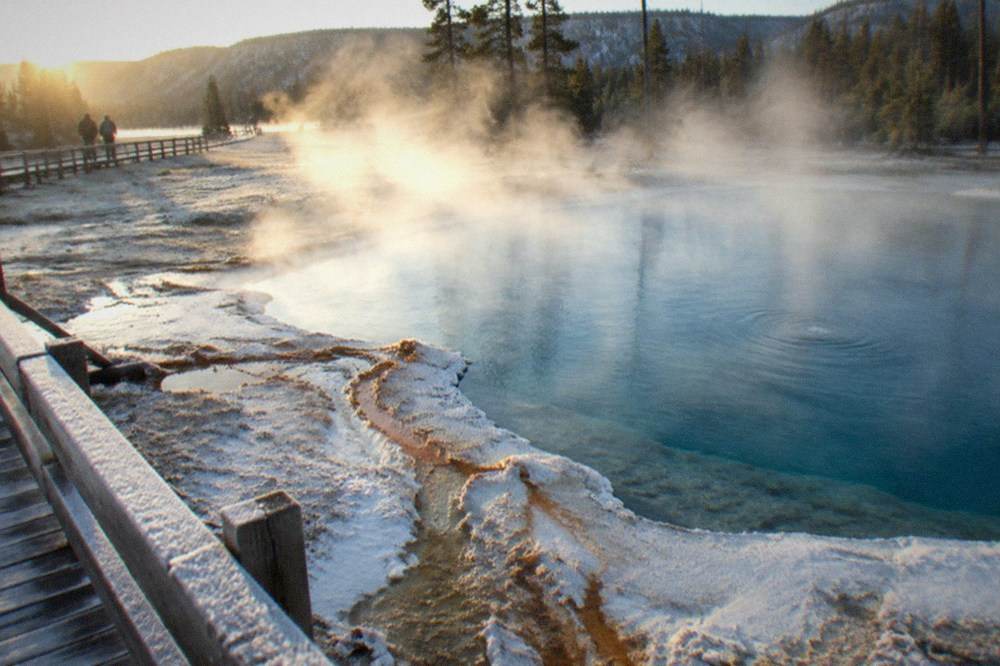
Where The Real Savings Hide: Permits, Gear, And Timing
The real savings sit in three places: the operator-provided outer gear that comes with a guided tour, the non-commercial permit lottery at $40 per day plus a $6 application fee, and the autumn booking window before winter demand fills the calendar. None of them change the sticker price, and all of them change the total bill.
The first lever is gear. Guided tours supply the outer shell: operators provide insulated suits, helmets, boots, and mittens, which quietly removes the cost of renting or buying winter kit separately. What riders bring themselves are the layers, wool or synthetic, never cotton, plus a balaclava, glove liners, and sunglasses. Packing from your own closet instead of a shop counter is the cheapest gear strategy there is.
The second lever is the permit lottery for travelers who want to ride without a commercial guide. The lottery itself runs each August, but the cheaper corner of the program is the resale: unclaimed and canceled permits are released first-come, first-served starting October 1, with no waiting list. An unclaimed January permit, grabbed in October at the per-day rate described above, is the lowest-cost path into the park that legally exists. It demands a BAT-listed rental machine and the free online education course, so it is a project, not a shortcut.
The third lever is the booking window itself. Winter tours are checked and rebooked constantly, and operators' live listings show current availability only; a price on the listing is a price you confirm at booking, never one you assume. The site's own Yellowstone Snowmobile Tours roster is built around exactly this: real, bookable winter products with their real from-prices, so the budget conversation starts from what the tours actually cost rather than from guesswork. Booking in the autumn lull, before the snow arrives and the phone lines fill, is when the cheapest dates are still open.
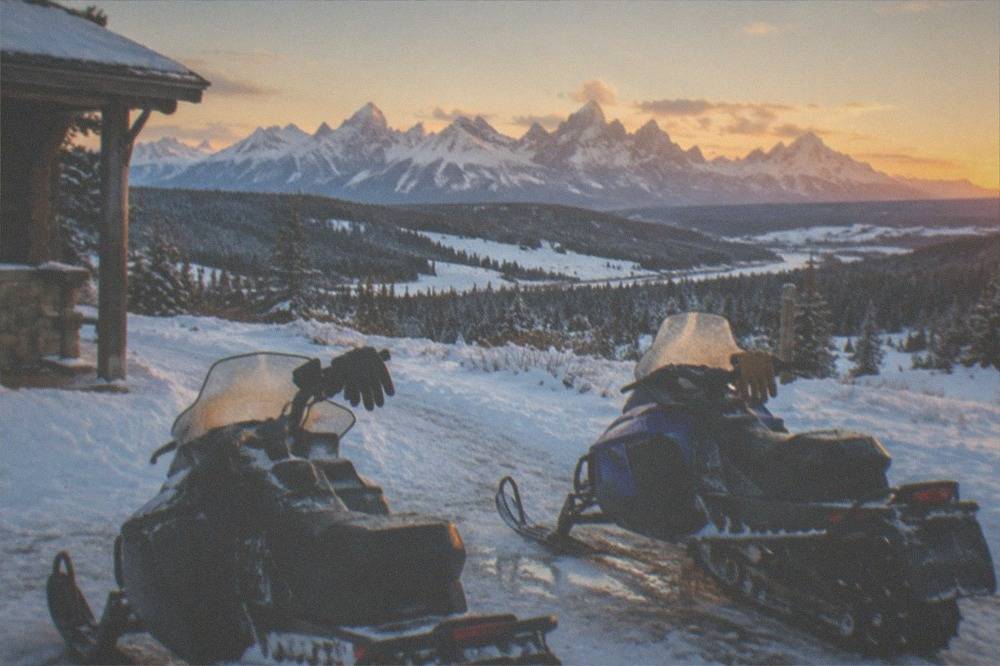
For riders who want maximum snow time per dollar outside the park entirely, the Turpin Meadow snowmobile tour near Yellowstone runs from $300, rated 4.9 across 26 reviews, with trips lasting roughly five and a half to nine hours in the Bridger-Teton backcountry. It is the longest day on the roster for the lowest entry price, which is the kind of arithmetic a budget planner should see plainly.
One honest caveat to close the planning loop: two of the Scenic Safaris winter products, the Grand Canyon snowmobile tour and the Old Faithful snowcoach, showed as unavailable on a direct listing check in the September off-season, which may be a booking-window closure rather than a cancellation, and the snowcoach sibling is unconfirmed for the 2026-27 season. Treat any specific departure as confirmed only when the live listing says so. That is one more reason the cheapest month is not just a number: it is the month when the tour you want still has a seat.
Common Questions About The Cheapest Time To Visit Yellowstone
What Month Is the Cheapest to Visit Yellowstone?
Mid-December before the holidays and mid-January are the cheapest times. January averages roughly 28,837 recreation visits, about 0.72 percent of annual park visitation, guided winter tours run from $300 to $475 depending on the product, and lodging demand in the gateway towns is at its lowest between the holiday week and Presidents Day.
Is January cheaper than February in Yellowstone?
Yes, in demand terms. February averages about 33,088 recreation visits, the highest of the winter months, largely because of Presidents Day week, while January averages about 28,837. Tour base prices stay the same, but February's holiday week sells out first and pushes lodging rates up, so January usually wins on total trip cost.
Can you visit Yellowstone in winter without a guided tour?
Only in two ways. You can drive the year-round road from Gardiner through the Lamar Valley to Cooke City in a regular car, which costs just the $35 seven-day vehicle pass. Or you can win a non-commercial snowmobile permit through the August lottery, at $40 per day plus a $6 application fee, which requires a BAT-listed rental machine and the free online education course. Every other winter entry to the interior is commercially guided.
Do winter tours cost less than summer tours?
Summer has no equivalent product to compare, because the interior is closed to snowmobiles outside mid-December to mid-March. Within winter, prices vary by what you ride and where: near-Yellowstone forest tours in Jackson Hole and Bridger-Teton start from $300, while the in-park Old Faithful snowmobile tour starts from $475. The cheapest month for any of them is the quiet one you book, typically mid-January.
What does entry to Yellowstone cost in winter?
The same as in summer: $35 for a seven-day private vehicle pass, $20 per person entering outside a vehicle, or $30 per snowmobile. Non-US residents aged 16 and up pay an additional $100 per person unless they hold an eligible annual pass, and children under 16 are free. Oversnow travel hours run 7 a.m. to 9 p.m., except the East and South entrances, which open at 8 a.m.
Does the cheapest month mean worse weather?
Usually a bit colder, yes. January sits in the coldest stretch of the season, with daytime temperatures of zero to 20 degrees Fahrenheit and sub-zero nights, while March warms toward spring but the road closure calendar starts on March 7. The trade is simple: the quietest, cheapest months are the coldest, and the operator-provided suits, boots, helmets, and mittens that come with a guided tour are what make those days rideable.