Where Is Yellowstone National Park?
Yellowstone National Park sits mostly in northwest Wyoming with slivers of Montana and Idaho. Here is exactly where it is, which gateway towns matter in winter, and how the location shapes a snowmobile trip.
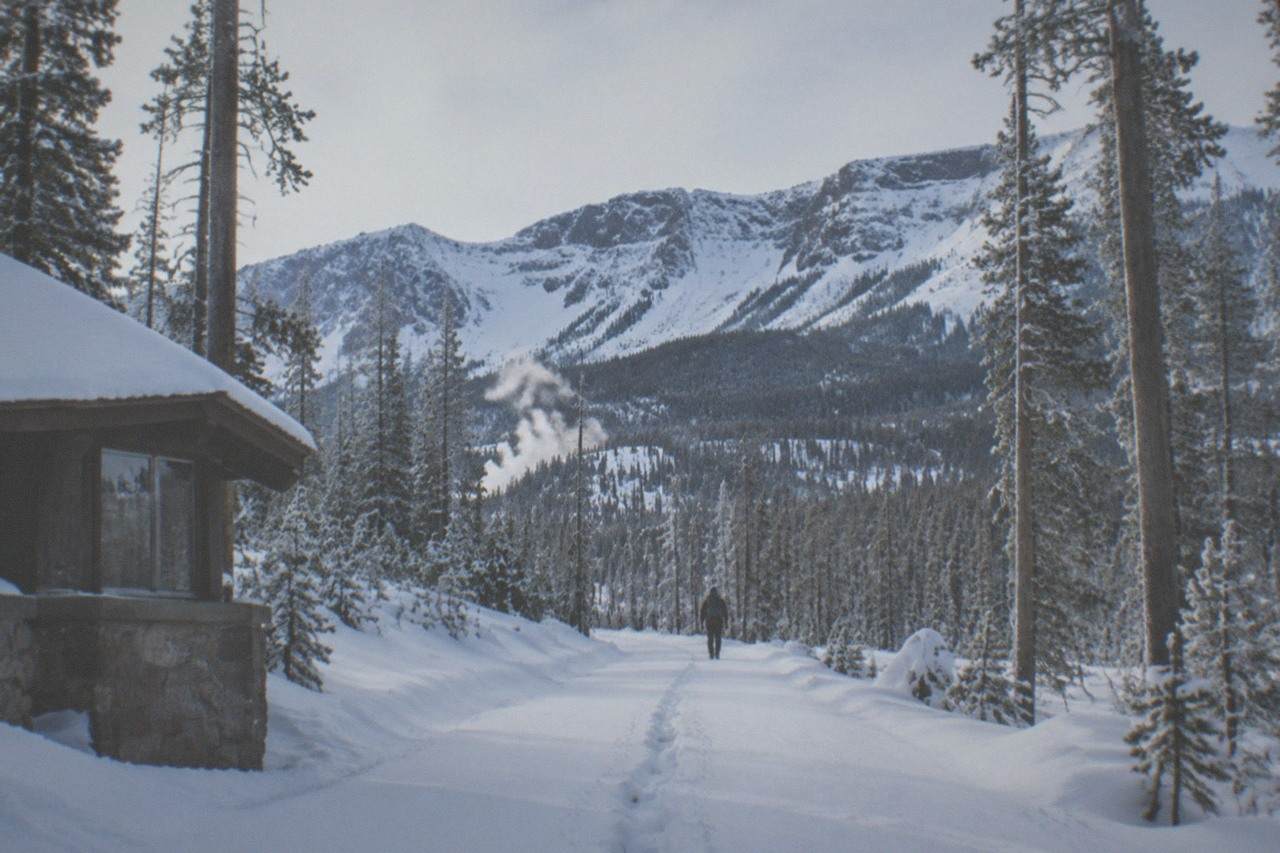
Where Is Yellowstone National Park?
Yellowstone National Park sits in the northwest corner of Wyoming, spread across the volcanic highlands of the Rocky Mountains. About 96 percent of its 3,472 square miles lies in Wyoming, roughly 3 percent crosses into Montana and 1 percent into Idaho. The nearest major airports are Bozeman Yellowstone International in Montana and Jackson Hole in Wyoming, which is why most winter visitors base themselves in West Yellowstone or the town of Jackson.
That single sentence answers the search query, but the location carries more weight for winter travelers than the map suggests. The park was established on March 1, 1872, when President Ulysses S. Grant signed the Yellowstone National Park Protection Act, making it the world's first national park. It sits atop an active volcanic caldera, one of the largest on Earth, which is why more than 10,000 hydrothermal features, including over 500 active geysers, bubble, steam and erupt across the plateau. More than half of the world's active geysers sit inside this one park's boundaries, a fact you can verify on the official NPS park facts page.
The location also decides what kind of trip is even possible. Yellowstone's interior roads close to regular automobiles in early November and do not reopen to cars until late April. Between mid-December and mid-March, the interior is reachable only by oversnow travel: a guided snowmobile tour, a heated snowcoach, or a hard-to-get lottery permit. Anyone hoping to watch Old Faithful erupt against a snowbank in January is, by definition, signing up for a guided tour of some kind.
That geographic constraint is exactly why this site exists. A snowmobile tour into the park's interior is not one winter activity among many, it is the main door into the place. The trio below covers the three most useful angles: the classic Old Faithful route inside the park, the Grand Canyon of the Yellowstone route to the park's east interior, and a shorter Jackson Hole ride outside the park for visitors who want saddle time without the full-day commitment.
Which Three States Touch Yellowstone National Park?
Wyoming holds the overwhelming majority of the park, with about 96 percent of its acreage inside state lines. Montana claims the northern strip around Gardiner, West Yellowstone and Cooke City, and Idaho takes a small sliver along the western boundary. Those state lines matter less than the entrance you choose, because road access, not geography, decides what you can actually reach in winter.
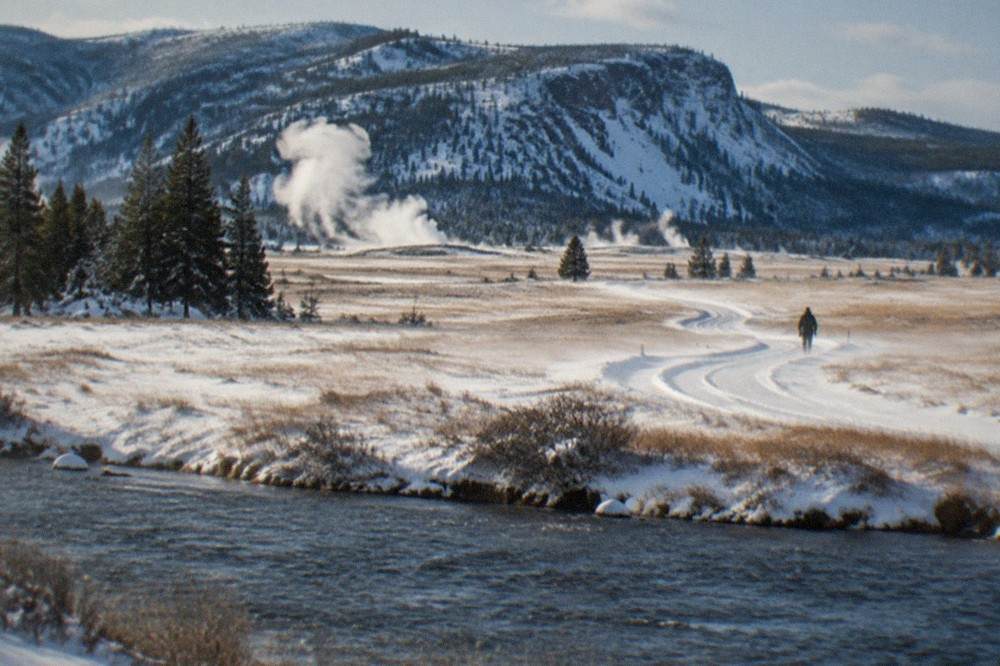
The Montana portion is the part most winter visitors touch first. West Yellowstone, Montana sits just outside the West Entrance and functions as the busiest oversnow gateway in the region, widely referred to as the snowmobile capital of the world in local tourism materials. Gardiner, Montana sits at the North Entrance and holds a distinction no other gateway can claim: its road through Mammoth Hot Springs, Tower Junction, Lamar Valley and on to Cooke City stays plowed and open to regular vehicles every day of the year. If you want to see bison and wolves from the heated seat of your own car in February, that Montana corridor is the only place in Yellowstone where you can do it.
The Idaho slice is the quietest corner. It covers a small section of the park's western boundary and, in winter, matters mainly to travelers routing through Idaho toward West Yellowstone from Jackson, since the direct road between Jackson and West Yellowstone through the park is closed to cars and the winter detour runs through Idaho over Teton Pass. The Wyoming portion, by contrast, holds nearly everything the park is famous for: Old Faithful and the Upper Geyser Basin, the Grand Canyon of the Yellowstone, Hayden Valley, Yellowstone Lake and the South Entrance corridor that snowmobile tours from Jackson use.
For trip planning, the honest advice is to stop thinking in states and start thinking in entrances. Which gateway you sleep in determines your pickup time, your driving day, your fuel stops and your odds of catching an Old Faithful eruption before dark. The sections below break each of those pieces down.
How Big Is Yellowstone National Park?
Yellowstone covers 2,221,766 acres, which makes it larger than Rhode Island and Delaware combined. It measures roughly 63 air miles north to south and 54 air miles east to west across a high plateau sitting inside one of the world's largest volcanic calderas, a collapsed magma chamber about 45 by 30 miles across. Elevations run from 5,282 feet at Reese Creek to 11,358 feet at the summit of Eagle Peak.
Scale is the detail first-time visitors most often underestimate. Driving from the South Entrance near Jackson to Old Faithful is a long over-snow haul even by snowmobile, and tour operators budget a full day for it: the Old Faithful full-day snowmobile tour from Jackson runs roughly 10 to 12 hours door to door, including van transport, outfitting, riding and return. A trip to the Grand Canyon of the Yellowstone from the same departure point runs about 12 hours. Those numbers only make sense once you internalize that the park is the size of a small state, not a scenic drive.
The caldera itself explains the geography that makes the place unique. Yellowstone Lake, the largest high-elevation lake in North America at 7,733 feet, fills part of the caldera's southeast lobe. The geyser basins cluster along the collapsed chamber's edge. The quick-facts table below gathers the numbers worth knowing before a trip.
| Fact | Figure |
|---|---|
| Established | March 1, 1872, world's first national park |
| Total area | 3,472 square miles, 2,221,766 acres |
| State split | 96% Wyoming, 3% Montana, 1% Idaho |
| Dimensions | 63 air miles north-south, 54 air miles east-west |
| Highest point | Eagle Peak, 11,358 feet |
| Lowest point | Reese Creek, 5,282 feet |
| Hydrothermal features | More than 10,000, including over 500 active geysers |
| Yellowstone Lake | Largest high-elevation lake in North America, 7,733 feet |
All of those figures come from the National Park Service's own published facts. Size also drives cost. Covering this much terrain with a licensed guide, transport, gear and meals is why in-park snowmobile tours are full-day products rather than quick outings, and why shorter rides tend to happen outside the park on national forest trails. If you are still settling on a base town before booking anything, the question of where to sleep is worth settling first. For a quick grounding in the park's history and basics, including which president first set it aside, the Yellowstone quick facts guide covers the essentials.
Ready to lock in the classic interior route while you narrow down dates? The Old Faithful full-day snowmobile tour can be booked with free cancellation, so you can hold a seat before your lodging is final.
Which Towns Sit At The Gates Of Yellowstone In Winter?
Five entrance towns ring the park, but winter reverses their importance. Gardiner, Montana holds the only entrance open to regular cars year-round, while West Yellowstone becomes the oversnow hub, Jackson feeds the South Entrance, and Cody's winter role stays minimal because the East Entrance road over Sylvan Pass faces avalanche danger that can close it for hours or days at a time.
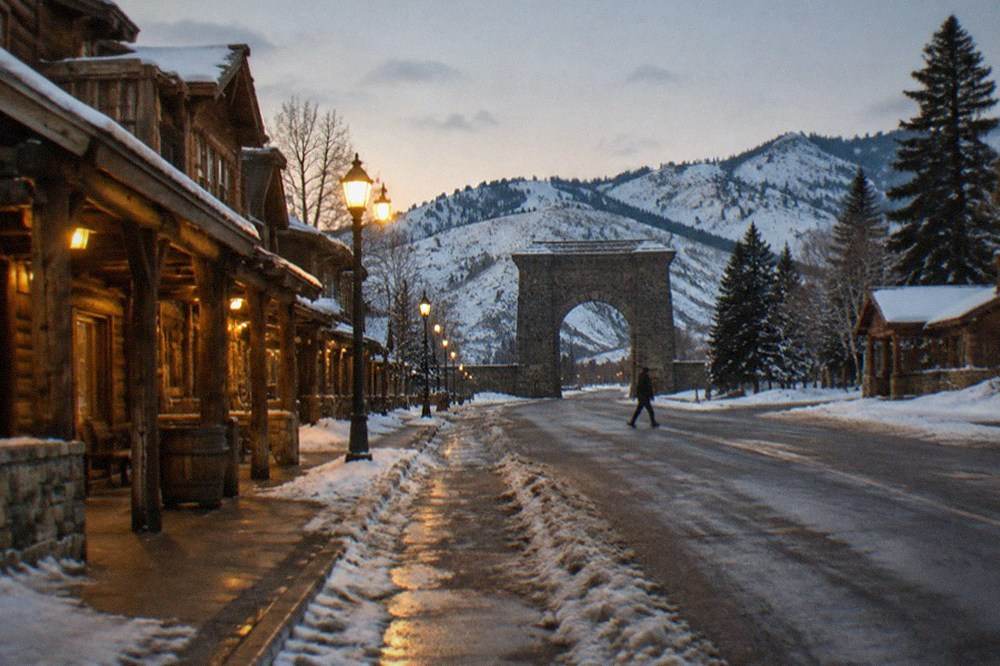
Gardiner and West Yellowstone anchor the Montana side. Gardiner suits travelers who want independent wildlife watching along the year-round northern road. West Yellowstone suits travelers whose whole point is the oversnow experience: it is the closest town to the West Entrance, it is packed with rental shops and tour operators, and its short-term rental market runs at high winter demand tied directly to snowmobiling. Readers weighing the drive in can dig into the details in reaching West Yellowstone in winter.
Jackson, Wyoming works differently. It is a larger town with an airport, ski resort amenities and Grand Teton National Park next door, and in winter it feeds oversnow traffic into Yellowstone through the South Entrance. The in-park tours that leave from Jackson are run by Scenic Safaris, with hotel pickup in the Jackson area and a van transfer roughly 60 miles south to the entrance before riders ever straddle a sled. The trio of Scenic Safaris products covers the Old Faithful route on snowmobile, the Grand Canyon of the Yellowstone route on snowmobile, and the same Old Faithful corridor in a heated snowcoach. Note that the Grand Canyon snowmobile and snowcoach products have shown limited availability on recent listing checks, so confirm current availability before building an itinerary around either one.
Cody, Wyoming, on the park's east side, deserves an honest word rather than a sales pitch. The East Entrance road over Sylvan Pass carries limited winter oversnow service compared with the West and South gates, the National Park Service warns the pass can close for hours or even days due to avalanche danger, and the guided commercial snowmobile tours into the park's interior all depart from Jackson Hole rather than Cody. Cody is a genuine summer gateway town. In winter, its role for Yellowstone visitors is small, and the Cody snowmobile tour options guide covers what riding near that side of the park actually looks like.
| Gateway town | State | Winter role |
|---|---|---|
| West Yellowstone | Montana | Main oversnow hub for snowmobile tours and rentals |
| Gardiner | Montana | Year-round car access via the North Entrance |
| Jackson | Wyoming | South Entrance oversnow tours and Grand Teton access |
| Cody | Wyoming | Minimal winter role, East Entrance oversnow service limited |
| Cooke City / Silver Gate | Montana | Reachable by car via the northern corridor |
The entrance picture also explains a common confusion: Jackson Hole is not inside Yellowstone. Jackson Hole is the valley containing the town of Jackson, and it sits south of Grand Teton National Park, which itself sits south of Yellowstone. Visitors flying into Jackson Hole Airport are still two national parks away from Old Faithful.
How Do You Get Into The Park's Interior In Winter?
You cannot drive to Old Faithful in winter. Once enough snow accumulates, usually by mid-December, most park roads close to automobiles and stay oversnow-only until mid-March, open only to guided snowmobiles, snowcoaches and a small lottery-permit program. That makes a guided snowmobile tour or a snowcoach tour the practical way into the interior for nearly everyone.
The rule behind this is federal regulation, not operator marketing. Under the 2013 Winter Use Rule, all snowmobiles entering Yellowstone must travel with a guide: either a commercial guide on an authorized tour or a non-commercial guide holding a lottery permit under the Non-Commercially Guided Snowmobile Access Program, capped at four groups per day and permits that cost $40 per day plus a $6 application fee. Unguided snowmobiling inside park boundaries is prohibited. The NPS snowmobiling page states the requirement plainly, and the projected 2026-27 road dates come from the NPS road status page.
For the commercial side, the flagship in-park product from Jackson is the Yellowstone Old Faithful full-day snowmobile tour. It runs from $475, carries a 4.6 rating across 338 reviews, lasts roughly 10 to 12 hours with hotel pickup in the Jackson area, and enters through the South Entrance. Riders on this route typically pass Moose Falls, Lewis Canyon, West Thumb Geyser Basin and the Fountain Paint Pots on the way to a timed Old Faithful eruption. No prior snowmobile experience is required, and operators supply the insulated suit, helmet, boots and mittens.
The snowcoach alternative covers the same corridor in a heated, tracked vehicle, which suits travelers who want the interior without riding a machine. The Old Faithful snowcoach tour from Jackson Hole runs from $450 and carries a 4.8 rating across 227 reviews, though its listing has also shown limited recent availability, so check the operator's live listing before committing. For readers weighing the two formats against each other, the honest summary is that snowmobiles trade comfort for the experience of riding, and snowcoaches trade riding for warmth and camera stability.
Not every winter rider wants the park at all. Many visitors base in Jackson or Moran and ride the Bridger-Teton National Forest trail systems, which sit outside Yellowstone and operate on their own schedules. The Jackson Hole area carries a deep bench of near-park options, and Jackson Hole snowmobile tour options covers that side of the region in detail. Heart Six Ranch alone runs several products in the Buffalo Valley, including a roughly four-hour snowmobiling trip from $360 rated 4.8 across 50 reviews and a full-day dog sledding and snowmobiling combo from $595 rated 4.4 across 16 reviews. None of those enter Yellowstone, and none are marketed here as if they did.
What Sits Just South Of Yellowstone?
Grand Teton National Park sits directly south of Yellowstone, connected by a continuous stretch of protected land along the connecting parkway corridor. Its main valley highway stays plowed and open to cars year-round from Jackson north to Flagg Ranch, just short of Yellowstone's South Entrance, which makes the Tetons far easier to explore by car in winter than Yellowstone's snow-locked interior.
That contrast is one of the least understood facts in Greater Yellowstone trip planning. Two neighboring national parks, two entirely different winter rulebooks. In Yellowstone, you ride or ride along. In Grand Teton, you can drive the valley highway yourself, stop for wildlife along the way and ski or snowshoe the closed inner roads. Some Teton Park road segments close to vehicles from November 1 through April 30, but the main valley route stays open.
This is why so many winter itineraries pair the two parks: a car day in the Tetons, then a guided day inside Yellowstone. It is also why several of the near-park snowmobile products in this roster are genuinely useful rather than consolation prizes. The Turpin Meadow area near Moran, in the Bridger-Teton National Forest north of Jackson, holds some of the region's best forest riding. The Off Grid JH Turpin Meadow snowmobile tour runs from $300, is rated 4.9 across 26 reviews and lasts roughly 5.5 to 9 hours depending on the option, all on national forest terrain outside the park. It is a different experience from an Old Faithful run, closer to a backcountry riding day, and travelers who want mileage over geysers often prefer it.
For a fuller comparison of the formats and prices across the region, whether you can drive to Old Faithful in winter covers the access mechanics, and the site's cost guide breaks down what each tour tier includes. The short version: in-park full-day tours run the highest, near-park forest rides run lower, and the difference buys you geysers, canyon walls and a national park you cannot otherwise enter.
Why The Location Shapes Every Winter Plan
Location is the single biggest planning variable for a Yellowstone winter trip. Where you sleep decides which entrance you use, the entrance decides which interior sights you can reach, and the oversnow rules decide whether you ride a guided snowmobile tour, ride in a snowcoach or skip the interior entirely. Choosing a base comes before choosing a tour, every time.
Map the logic and the decisions make themselves. Flying into Bozeman points you at West Yellowstone, roughly 90 miles south by US-191 through the Gallatin Canyon, a drive that typically runs about two hours in good conditions and longer in snow. Flying into Jackson Hole points you at Jackson, with its larger town, its airport and the South Entrance tours described above. Driving your own car in winter points you at Gardiner and the northern corridor, with oversnow day trips bolted on. There is no wrong answer, but there are answers that pair badly, such as sleeping in Gardiner and booking a 6 a.m. hotel pickup in Jackson.
For a park this size, in a winter this governed, the reward for getting the geography right is large. You watch a geyser erupt into still, sub-zero air with a fraction of the summer crowd beside you. Winter months see a small fraction of annual visitation: historical NPS averages show January at roughly 28,837 visits, about 0.72 percent of the annual total, and February at roughly 33,088, while the busy summer months dominate the year, so the boardwalks are quiet and the wildlife, bison, elk, wolves, swans and otters among them, stand out against the snow. The team at Yellowstone Snowmobile Tours covers the riding side of that decision in depth across the guides here, from season dates to gear lists.
If the location is now clear and the question has become which trip to book, the three below are the strongest starting points for the 2026-27 window.
Common Questions About Where Yellowstone National Park Is
Where Is Yellowstone National Park?
Yellowstone National Park sits in the northwest corner of Wyoming in the Rocky Mountains, with about 96 percent of its 3,472 square miles in Wyoming, roughly 3 percent in Montana and 1 percent in Idaho. The nearest major airports are Bozeman Yellowstone International in Montana and Jackson Hole in Wyoming, and the main winter gateway towns are West Yellowstone, Gardiner, Jackson and, in a limited winter role, Cody.
Which state is most of Yellowstone in?
Wyoming holds about 96 percent of the park's area, including Old Faithful, the Grand Canyon of the Yellowstone, Yellowstone Lake and Hayden Valley. Montana holds the northern strip around Gardiner, West Yellowstone and Cooke City, and Idaho holds a small sliver along the western boundary.
What is the closest airport to Yellowstone in winter?
Bozeman Yellowstone International (BZN) is the primary winter airport, about 90 miles from West Yellowstone via US-191, typically a two-hour drive in good conditions. Jackson Hole Airport (JAC) serves the southern side and the South Entrance tours. The small West Yellowstone airport is seasonal and generally summer-only.
Can you enter Yellowstone by car in winter?
Only through one corridor: the North Entrance at Gardiner, Montana, whose road through Mammoth Hot Springs, Tower Junction, Lamar Valley and Cooke City stays open to regular vehicles year-round. Every other interior road closes to automobiles in early November and reopens as oversnow-only terrain from mid-December to mid-March, reachable by guided snowmobile, snowcoach or a lottery permit.
Is Jackson Hole part of Yellowstone?
No. Jackson Hole is the valley containing the town of Jackson, Wyoming, and it lies south of Grand Teton National Park, which lies south of Yellowstone. A visitor in Jackson is roughly two parks away from Old Faithful. In winter, tours from Jackson reach the park's interior through the South Entrance on guided oversnow trips.
What town is closest to Old Faithful in winter?
West Yellowstone is the main gateway for Old Faithful-area oversnow tours on the western side, and Jackson is the departure town for the Scenic Safaris tours that enter through the South Entrance. No town offers car access to Old Faithful itself in winter; the site is reachable only by guided snowmobile or snowcoach during the oversnow season.