Is Alcohol Allowed While Snowmobiling In Yellowstone?
NPS rules ban open alcohol containers on snowmobiles in Yellowstone, and limits are strict: 0.04% BAC for anyone leading a ride. Here is what the rules actually say and how it affects your tour day.
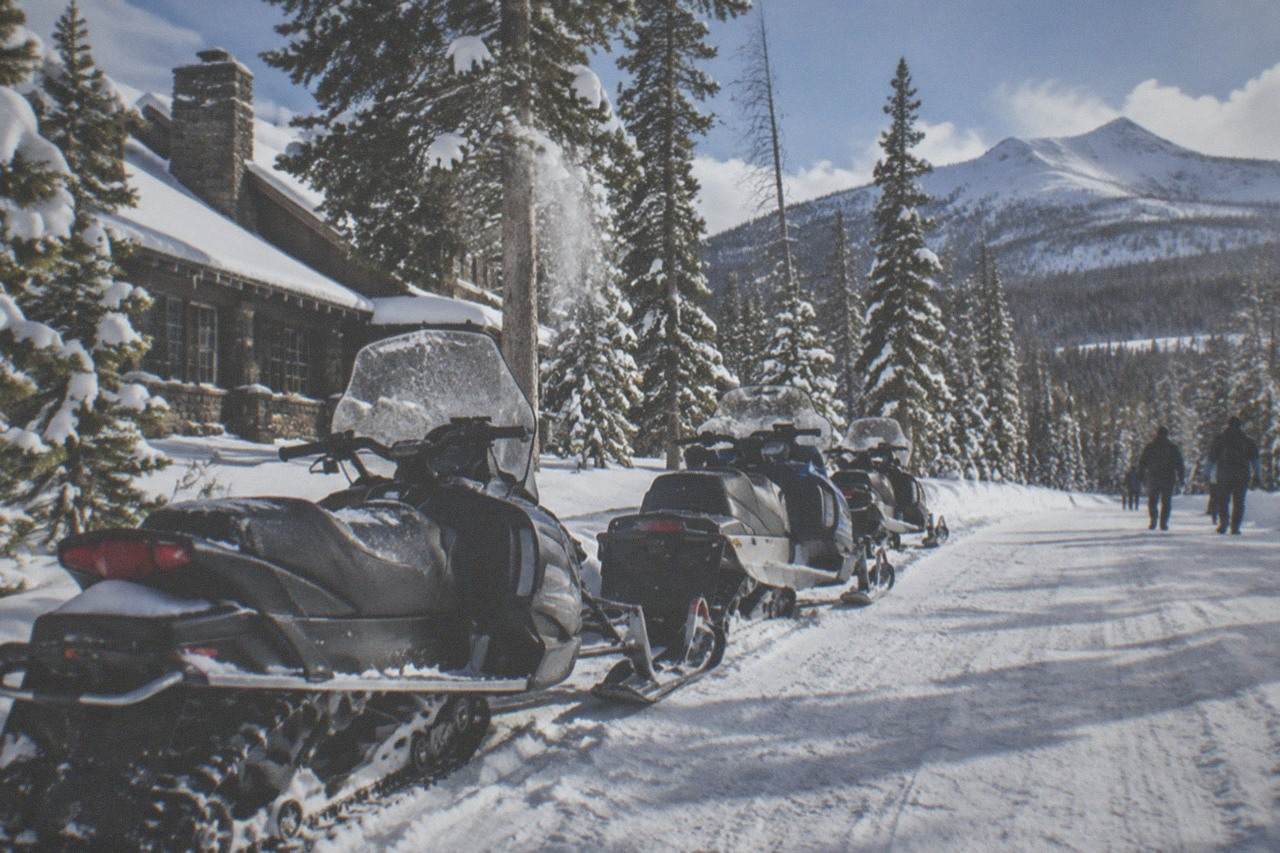
Is Alcohol Allowed While Snowmobiling In Yellowstone?
No. Alcohol is not allowed while snowmobiling in Yellowstone. Federal regulations prohibit open alcoholic containers on snowmobiles operating inside the park, and blood alcohol limits are set lower than the standard driving threshold for anyone leading a ride. A guided tour is a long, cold, focused day on a machine, and the rules treat it accordingly.
The short version comes straight from the Code of Federal Regulations, specifically 36 CFR 7.13, the winter use rule that governs all oversnow travel in Yellowstone. Snowmobiles in the park are treated as motor vehicles for enforcement purposes, which puts drinking and riding in the same legal bucket as drinking and driving. The National Park Service states the operating rule plainly on its snowmobiling page: all snowmobiles in the park must travel with a guide, either a commercial guide on an authorized tour or a non-commercial guide operating under the lottery-based access program. Unguided riding is prohibited, and alcohol rules sit on top of that framework.
The numbers matter more than most visitors expect. Under the Non-Commercially Guided Snowmobile Access Program, permit holders acting as group leaders are held to a blood alcohol concentration limit of 0.04%, half the 0.08% threshold most people associate with driving. All other operators on the trip must remain under 0.08%. Those limits, published in the NPS non-commercial access rules, apply to the self-guided permit program, but the same principle carries across to commercial trips: the person responsible for the group is held to a stricter standard, and open containers are banned outright on the machines.
If you have already booked a guided tour, all of this is easier than it sounds. Commercial operators run their own sleds, their own gear and their own conduct policies, and those policies sit on top of park rules. You show up sober, you ride sober, and lunch happens at Old Faithful or a warming hut where the rules about open containers on the machine simply never come into play. The three tours below are the ones most readers comparing options land on, and all three are full-day commitments where nobody misses a drink.
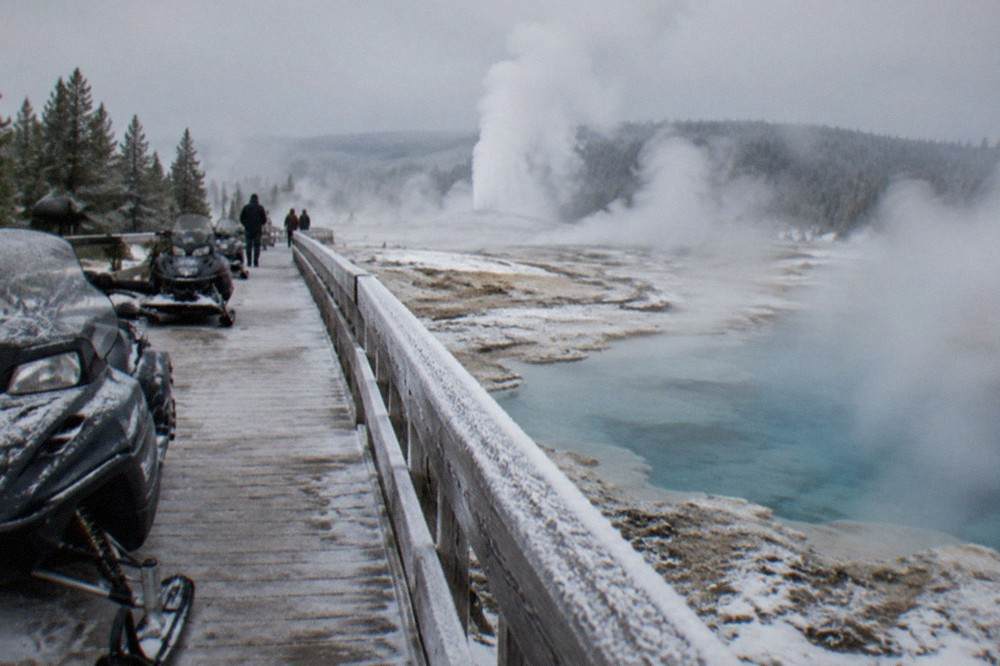
What Are The Blood Alcohol Limits For Snowmobiling In Yellowstone?
The limits are 0.04% blood alcohol concentration for permit holders and group leaders under the non-commercial access program, and 0.08% for all other snowmobile operators. No open alcoholic containers are allowed on any snowmobile in the park. Commercial tour operators enforce comparable policies on their own trips, often with stricter house rules.
Splitting the two numbers is worth doing because people assume snowmobiling follows the everyday 0.08% rule everywhere. It does not. The 0.04% figure for group leaders exists because that person is simultaneously responsible for navigation, wildlife distance, machine handling and the safety of everyone behind them. NPS guidance treats the leader as the equivalent of a commercial driver, and the enforcement logic is the same. For a rider in the middle of a commercial tour group, the practical limit is whatever the operator's policy says, and operators are consistent on this point: riding drunk ends the trip.
It is also worth being clear about what counts as an open container on a snowmobile. A flask in a saddlebag, a can in a jacket pocket opened at a viewpoint, a beer in the cupholder: all of it falls under the prohibition once the machine is in motion or positioned on park roads. The rule is not about blood alcohol alone. The container itself is the violation, which is a distinction that catches people who feel fine to ride but brought a drink for the photo stop.
The sobering context, literally, is the environment. Winter daytime temperatures in Yellowstone run 0°F to 20°F, with sub-zero readings common at night and at higher elevations. Alcohol widens blood vessels near the skin, which feels warming and actually accelerates heat loss, on a machine that is already moving fast enough to generate serious wind chill. Impaired judgment plus ice plus cold is the exact combination the rules are written to prevent, and it is why operators repeat the policy at every morning briefing.
So where does that leave a booked guest deciding between riding styles? If your group wants a shorter, more casual loop outside the park in Jackson Hole, that is a different product than a full-day push to Old Faithful, and the conduct expectations feel correspondingly different even though the operator policies are similar. The comparison below covers the three most common picks.
How Do Commercial Tour Operators Handle Alcohol?
Commercial operators prohibit alcohol on their snowmobile tours, full stop. Sleds, suits, helmets and guided groups are operated under NPS concessioner permits, and the operator's conduct policy binds every rider who signs the waiver. Drinking before a tour is treated the same as drinking during one: the operator can refuse participation.
The mechanics of a guided day make this easy to follow, which is why it rarely becomes a problem. On a typical Jackson-area Old Faithful itinerary, hotel pickup happens between 6:00 and 7:30 a.m., the group drives roughly 60 miles to the South Entrance, everyone is outfitted with suits, helmets and boots, and the sleds are on the groomed road by mid to late morning. Stops come at Moose Falls, Lewis Canyon, West Thumb and the Fountain Paint Pots before the group reaches Old Faithful, watches an eruption, and eats lunch. Riding home, everyone is back at the entrance by late afternoon and back in Jackson between 4:30 and 6:00 p.m. There is no stretch of that day where a drink improves it.
The Yellowstone Old Faithful Full-Day Snowmobile Tour from Jackson Hole is the flagship version of that day: roughly 10 to 12 hours, hotel pickup in the Jackson area, rated 4.6 across 338 reviews, from $475. Riders on this route get the classic winter sequence, van ride south, geothermal stops, an eruption against the snow, and the operating style is exactly the sober, guided format the park requires. It is also the tour most people are holding a booking for when they ask the alcohol question, and the answer for a booked guest is simply that the day runs clean.
If you are weighing options, our detailed Old Faithful snowmobile tour guide breaks the route stop by stop, and the broader rules are covered in Yellowstone snowmobile rules and requirements, which pairs well with this article for anyone still choosing a date.
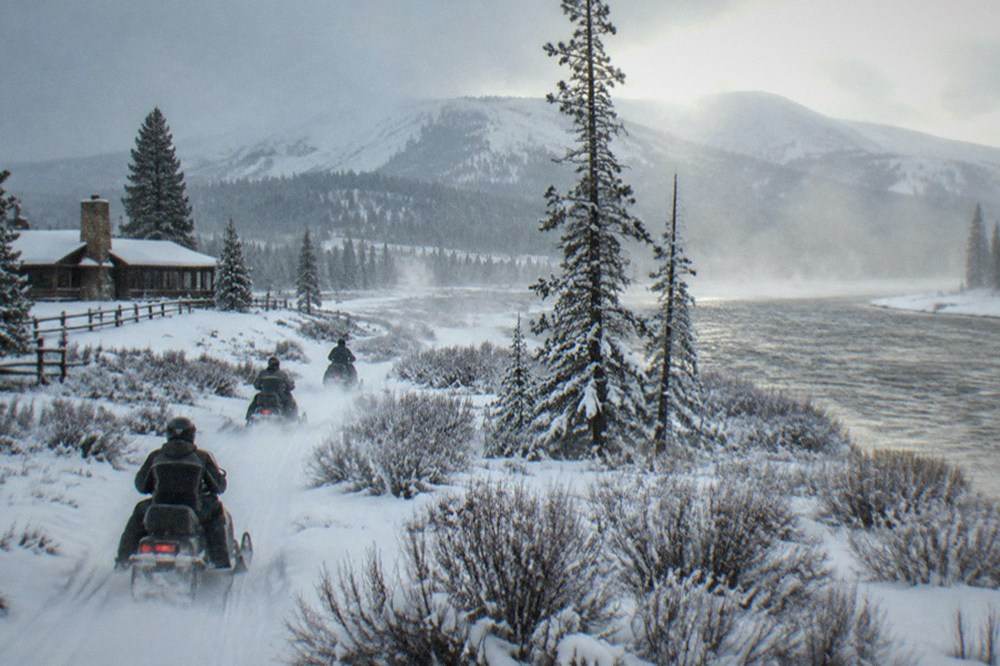
What Happens If You Get Caught Drinking And Snowmobiling?
Riding a snowmobile under the influence in a national park is a federal offense, prosecuted under the same framework as driving under the influence. Penalties can include federal fines, court appearances, trip termination on the spot, and being turned over to the operator for removal from the tour, with no refund. The open container itself is a separate violation from impairment.
The key thing to understand is jurisdiction. Inside Yellowstone, an offense is federal, handled by park rangers under federal law, not by the state of Wyoming or Montana. Federal DUI cases carry their own fines and court processes, and being cited inside a park means dealing with the federal system, which is nobody's idea of a vacation day. The operator side is more immediate: a guide who spots impairment ends the ride, calls the van, and the guest's day is over whether or not a citation follows.
For commercial tour riders, the practical layer is the waiver. When you sign a snowmobile tour waiver you agree to the operator's conduct terms, and those terms universally prohibit riding impaired. Refusal is not a negotiation. For non-commercial permit holders, the stakes sit in the permit itself: permits cost $40 per day plus a $6 application fee, allow a maximum of three days and two nights per permit, and limit a group to five snowmobiles. A violation can void the trip, and weather or closure problems already carry no refund, so there is no slack left for a conduct failure.
Here is how the two programs compare on the alcohol question:
| Question | Commercial guided tour | Non-commercial permit trip |
|---|---|---|
| Open container on the sled | Prohibited by park rule and operator policy | Prohibited by park rule |
| BAC limit | Operator policy, comparable or stricter | 0.04% for permit holder, 0.08% for other operators |
| Who enforces | Guide and NPS rangers | Permit holder and NPS rangers |
| Consequence | Removed from the tour, no refund, possible federal citation | Federal citation, trip ended |
| Drinking at lunch stops | Only where legally served away from machines, at operator discretion | Away from machines only, and never while responsible for a sled |
The park's lottery for the 2026 to 2027 non-commercial season opened August 1 and ran through August 31, 2026 on Recreation.gov, with unclaimed and canceled permits released first-come, first-served starting October 1. That detail belongs in every alcohol conversation because the permit program is the only path where a private group rides without a commercial guide, and it is the path where the 0.04% leader limit actually applies to you personally.
Can You Drink At Lunch Or At The Lodge During A Tour?
Away from the machines, the rules loosen to ordinary park rules: alcohol is served at some in-park lodges and dining rooms in winter, and a drink at lunch or dinner off the sled is legal for adults. The catch is the ride home. If you still have to operate a snowmobile afterward, the BAC limits and the open container ban apply to the rest of the day.
This is the part of the question most people are actually asking. Winter food service inside the park is limited but real: Old Faithful offers food, fuel and a warming hut in winter, and a full-day tour typically stops there for lunch while the group waits for an eruption. A guest who wants a beer with lunch at a table, off the machine, is in the same position as any visitor at a park dining room. What they cannot do is get back on the sled afterward over the limit, carry an open container back onto the machine, or ride with judgment that is visibly off.
Guides manage this by timing. Lunch happens early enough in the afternoon that the ride back is sober by any measure, and the group leaves together. Guests who plan to stay at the Old Faithful Snow Lodge, one of two in-park lodges open in winter, are a different case: their day ends at the lodge, and a drink in the dining room after the sleds are parked is simply dinner. The distinction is always the machine. Parked and done for the day, ordinary rules. In motion or about to be, winter use rules.
A reasonable question from groups basing themselves outside the park: does any of this differ on a Jackson Hole loop through the Bridger-Teton National Forest? The answer is that operator policies are similar and state law applies off park land, but the tour-day reality is the same. The Jackson Hole: Bridger-Teton Guided Snowmobile Tour runs about 3 hours outside Yellowstone, rated 4.7 across 87 reviews, from $350, and it is a morning or afternoon loop that ends back at the trailhead, where the après conversation happens in the Buffalo Valley Cafe rather than on the sled.
For readers planning around the full set of logistics, our what to wear snowmobiling in Yellowstone guide is the natural next stop, since staying warm without alcohol is half the battle.
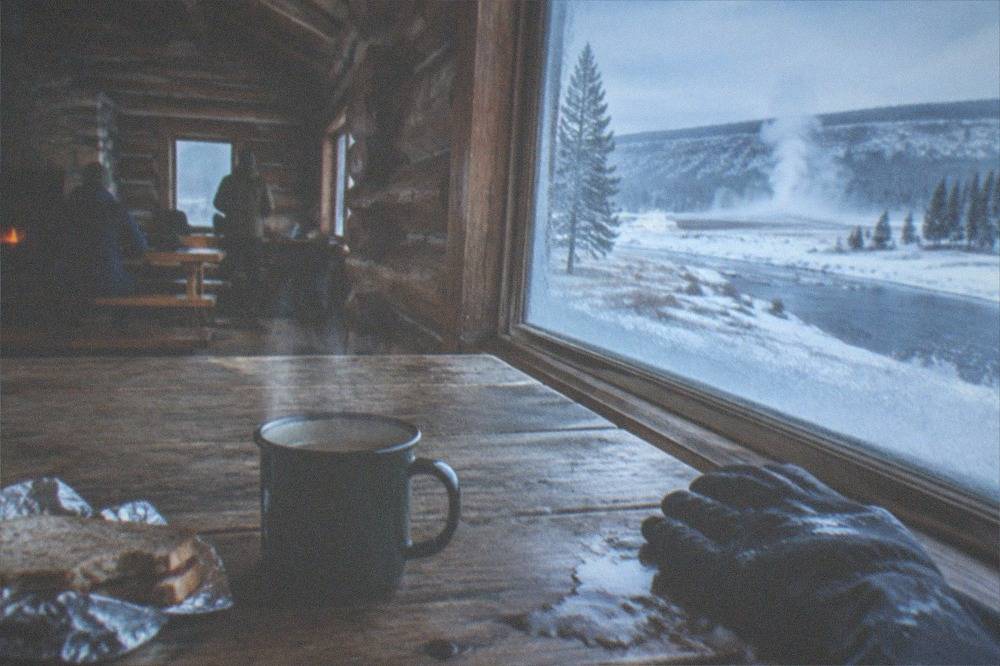
What Should You Do Instead On A Cold Tour Day?
Replace the drink with the things that actually work at 10,000 feet in February: chemical heat packs, a hot drink in a thermos, heavy wool socks, and the operator-provided insulated suit, boots, helmet and mittens. Guided tours supply the outer layers and riders bring the base and mid layers, no cotton. Staying warm sober is the whole trick, and the operators have solved most of it for you.
The swap is not a consolation prize. The gear list that the NPS publishes for winter riders includes insulated suits, full-face helmets, balaclavas, goggles, wool or synthetic socks, and moisture-wicking base layers, and commercial operators hand guests most of the outer shell on arrival. Hot chocolate in a thermos at the Old Faithful lunch stop is genuinely one of the better moments of the day, and heat packs in gloves and boots outperform any drink for the actual problem, which is cold, not nerves.
There is also a focus argument. Riders on the Old Faithful route see bison using the groomed roads, elk, bighorn sheep, sometimes wolves in the distance, and swans on the rivers, all of which rewards attention rather than dulling it. A full-day trip is roughly 10 to 12 hours door to door, with a van transfer bookending the ride. That is a long day to spend anything less than fully present, and the reviews of the top tours keep landing on the same notes: the eruption, the canyon colors, the wildlife, the quiet. None of those improve with a buzz.
For travelers who want the winter park without the machine at all, the snowcoach option runs the same routes in a heated vehicle: the Old Faithful snowcoach tour from Jackson Hole is about 12 hours, rated 4.8 across 227 reviews, from $450, and the cabin conversation is easier when nobody is holding handlebars. Availability on winter-only products shifts with the season, so check current availability on the live listing before locking a date. That goes double for the snowcoach and Grand Canyon snowmobile siblings, which should be reconfirmed closer to the season.
Planning the wider trip, our Jackson Hole Yellowstone snowmobile tours guide covers the base-town decision in depth, and Yellowstone Snowmobile Tours keeps the whole roster side by side if you want to compare prices and durations in one place.
If you are choosing among the three most common tours for this question, here they are again with the day-length trade-offs in view.
Common Questions About Alcohol And Snowmobiling In Yellowstone
Is Alcohol Allowed While Snowmobiling in Yellowstone?
No. Open alcoholic containers are prohibited on snowmobiles in the park, and blood alcohol limits are 0.04% for non-commercial permit holders leading trips and 0.08% for other operators. Commercial tour operators prohibit alcohol on their rides entirely, and a guest who shows up impaired can be refused.
Can you drink at lunch during a snowmobile tour?
A drink at a table away from the machines, where alcohol is legally served, is an ordinary park transaction for adults. But if you still have to ride a sled afterward, the impairment limits and open container ban apply for the rest of the day. Guides time lunch so the ride back is sober.
Is the blood alcohol limit lower than for driving a car?
For group leaders, yes. Permit holders under the non-commercial access program are held to 0.04% BAC, half the common 0.08% threshold. Other operators on the trip are held to 0.08%. The park treats snowmobiles as motor vehicles for enforcement.
What happens if a guide catches you drinking on a tour?
The ride ends for you. Operators can remove an impaired guest from the trip without a refund, and inside the park the offense is federal, handled by rangers with federal fines and court processes on top of the operator's decision.
Does alcohol keep you warm on a cold ride?
The opposite. Alcohol widens blood vessels near the skin, which feels warm while accelerating heat loss. On a machine moving through 0°F to 20°F air with serious wind chill, that is dangerous. Heat packs, thermoses, wool socks and the operator's insulated gear are the tools that actually work.
Do the same rules apply on tours outside Yellowstone in Jackson Hole?
Operator policies are similar on the Jackson Hole and Bridger-Teton trips, and state law applies off park land. The practical tour-day reality is the same: no drinking on the sleds, and the après options sit at the trailhead cafe rather than on the machine.