What To Wear Snowmobiling In Yellowstone: A Winter Gear Guide
Yellowstone winter days run 0°F to 20°F, and wind chill on a moving sled makes it feel far colder. Here is exactly what to wear, layer by layer, and what your tour operator hands you at the trailhead.
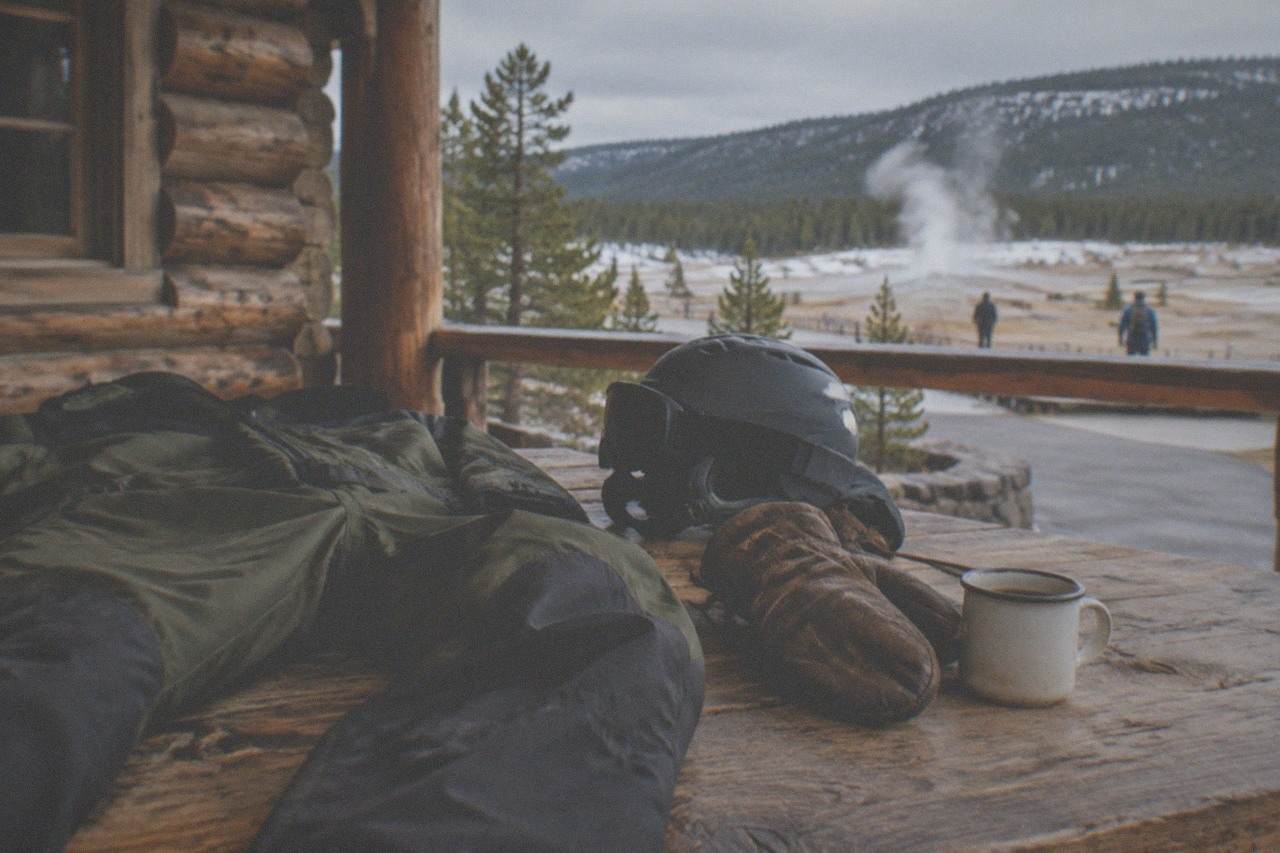
Short answer
Dress in three layers: a moisture-wicking synthetic or wool base, an insulating fleece or wool mid-layer, and a windproof outer shell, with insulated boots, wool socks, a balaclava, and goggles. Winter days in the park run 0°F to 20°F. Most commercial guided tours already provide the insulated suit, boots, full-face helmet, and mittens, so you mainly need to bring the layers underneath.
Yellowstone in winter is one of the coldest places a guided snowmobile tour can take you in the lower 48. The National Park Service publishes a daytime winter temperature range of 0°F to 20°F, with sub-zero readings common at night and at higher elevations, and those are the standing conditions, not an extreme outlier. Add the wind chill of a sled moving down a groomed road at speed and the effective temperature on exposed skin drops fast. What you wear is not a style question on this trip. It decides whether you spend the day at Old Faithful or shivering in the warming hut. Once you're dressed for the cold, the park opens up plenty of other options, and our guide to winter activities in Yellowstone beyond snowmobiling covers the best of them.
The good news is that you do not need to buy a full snowmobile wardrobe. A commercial guided snowmobile tour into the park, or a shorter ride in the Jackson Hole backcountry, almost always comes with the big-ticket outer gear: the insulated suit, the boots, the full-face helmet, and the mittens. Your job is the layering system underneath, the small accessories, and the judgment calls the operator cannot make for you. This guide walks through all three, temperature by temperature and body part by body part.
If you are still deciding between an in-park ride and a Jackson Hole-area tour, the clothing advice is nearly identical, and we flag the few differences that matter.
What Should You Wear Snowmobiling In Yellowstone?
Wear a three-layer clothing system: a moisture-wicking synthetic or wool base layer against your skin, an insulating fleece or wool mid-layer, and a windproof insulated outer shell, plus wool socks, insulated boots, a balaclava, goggles, and gloves or mittens with waterproof shells. Skip cotton entirely. On a commercial tour the operator supplies the insulated suit, boots, full-face helmet, and mittens, so you mainly bring the layers underneath and small accessories like glove liners and heat packs.
That paragraph is the whole answer compressed. The rest of this page unpacks it so you can adapt to your own cold tolerance, your trip length, and whether your tour is a three-hour forest loop or a 10-to-12-hour run to Old Faithful and back (see Winter Trip Length).
The National Park Service's own winter safety guidance is the baseline every recommendation here traces back to: windproof hooded outer layers over wool or synthetic insulation, avoiding cotton, wool socks and gaiters, insulated boots, gloves or mittens with shells, a balaclava or hood, sunglasses, and sunscreen for reflection off the snow. That list appears on the NPS winter safety page, and it exists because park winters punish under-dressed visitors in ways that surprise people from milder climates. Even the packing advice for the park's non-commercial snowmobile permit program, which assumes riders carry their own survival gear, starts from the same clothing logic: insulate, block wind, keep moisture away from skin.
One thing worth repeating early: sunburn is a real winter hazard here. Snow reflects UV upward, and goggles or sunglasses are as much about protection as comfort. Sunscreen on any exposed face skin belongs in your jacket pocket, not your bathroom cabinet.
How Cold Does It Actually Get On The Ride?
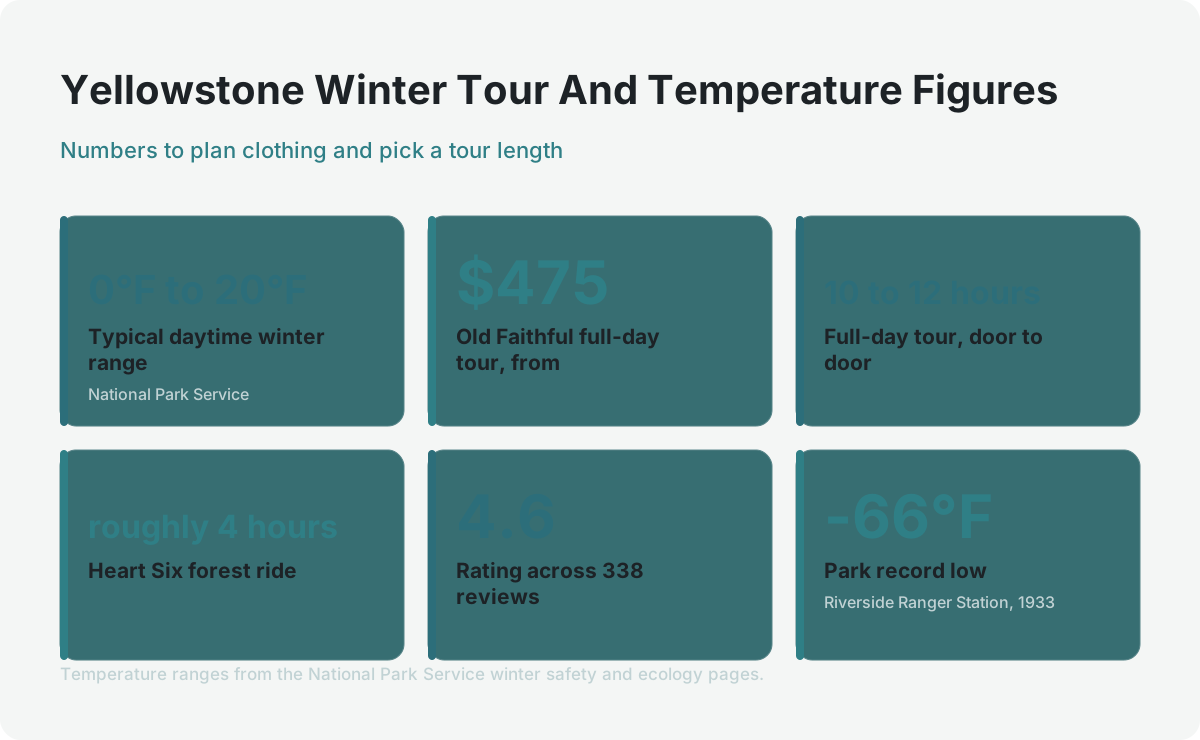
Winter daytime temperatures in the park typically run 0°F to 20°F, with average highs around 20-30°F, average lows around 0-9°F, and routine sub-zero nights at elevation. On a moving snowmobile, wind chill pushes the felt temperature far below the thermometer, so a calm 15°F morning feels like single digits at speed; the park's record low is -66°F, set at Riverside Ranger Station on February 9, 1933.
The NPS winter safety page is the source for the 0°F to 20°F daytime band and the daytime-highs-near-30°F, nighttime-lows-to--30°F framing. The park's winter ecology page puts average winter highs at 20-30°F and average lows at 0-9°F. Those are air temperatures, and they are the honest baseline for what a body in a snowmobile suit is fighting against.
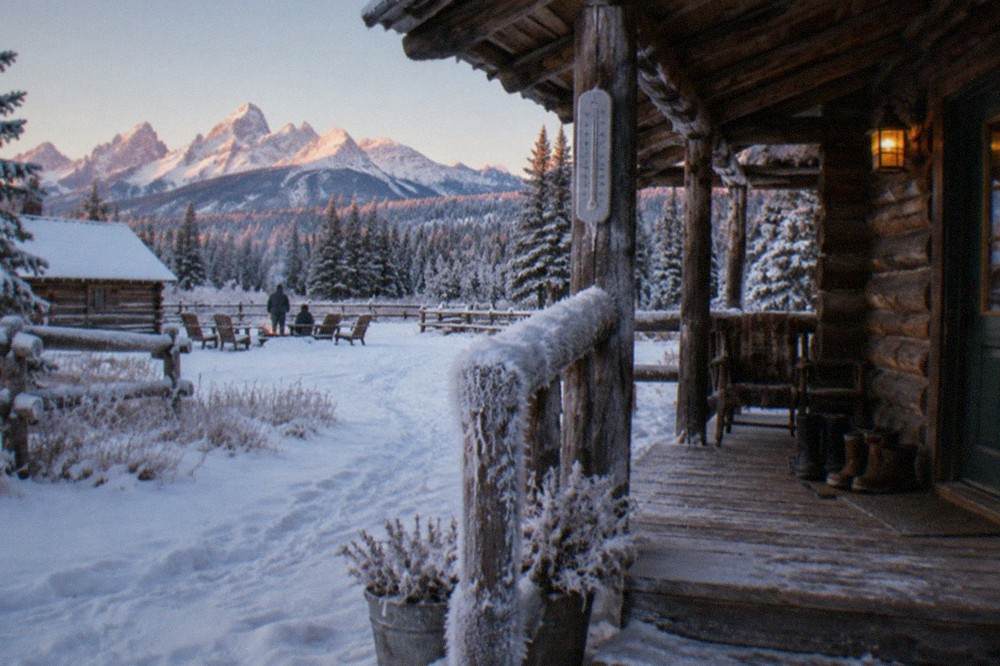
Wind chill is the multiplier nobody controls. NOAA wind-chill principles apply to any moving vehicle, and a sled on a groomed road produces constant airflow across every gap in your gear: wrists, neck, ankle seams, the gap under a helmet. A draft that would be trivial on a ski lift becomes the thing that ends your ride early. Sealing those gaps is the practical reason experienced riders care so much about cuffs, gaiters, and neck coverage, and it is why the layering section below obsesses over fit as much as fabric.
The table below translates the ranges into what they mean for clothing weight. Use it as a packing-scale guide rather than a forecast, because mountain weather shifts faster than any packing list can.
| Condition | Typical temperature | What it means for clothing |
|---|---|---|
| Mild winter day | 20-30°F | Mid-weight base layer, one fleece, standard tour suit; you may vent during stops |
| Normal tour day | 0-20°F | Full three-layer system, wool socks, sealed cuffs; the config most days call for |
| Cold snap / early start | Below 0°F | Heavier mid-layer, two pairs of glove options, heat packs in pockets at the trailhead |
| Extreme advisory | Well below 0°F | Add insulated insoles, balaclava under helmet, handwarmers active before you feel cold |
These three tours span the range of conditions this page is written for. The Old Faithful full-day snowmobile tour from Jackson Hole is a roughly 10-to-12-hour guided snowmobile tour inside Yellowstone National Park, rated 4.6 across 338 reviews, from $475, with hotel pickup in the Jackson, Wyoming area. Heart Six Snowmobiling in Jackson Hole is a shorter ride of roughly 4 hours in the Bridger-Teton National Forest outside the park, rated 4.8 across 50 reviews, from $360. The Turpin Meadow snowmobile tour near Moran runs about 5.5 to 9 hours, also outside the park, rated 4.9 across 26 reviews, from $300. Longer days in colder hours demand more from your base layers; the same layering rules apply everywhere.
How Does The Three-Layer System Work Under A Snowmobile Suit?
The three layers divide the work: a snug synthetic or wool base layer pulls sweat off your skin, a fleece or wool mid-layer holds warm air close to your body, and the windproof suit on the outside stops moving air from stealing that heat. Fit matters as much as fabric, so keep the base tight and the mid-roomy, and skip cotton entirely, since it loses insulation when damp.
Start with the base layer, the one most people get wrong. It is not there to keep you warm by itself; it is there to move perspiration outward before it chills you. A moisture-wicking synthetic or a wool blend in a snug, second-skin fit does the job. Loose base layers trap sweat in folds that go cold the moment the sled stops, and the same logic kills cotton: it absorbs moisture and keeps it, which is precisely the failure mode the NPS guidance warns against. If you own ski or hiking base layers, they are already correct for this trip.
The mid-layer is your thermostat. A fleece jacket or wool sweater in a fit that is roomy but not baggy holds the warm air your body generates. On a forecast in the 20s°F, one mid-layer under the operator's insulated suit is usually plenty. When the forecast dips toward zero, add a second lighter mid-layer rather than swapping to one thick garment, because two thin layers trap air between them and give you the option to strip one during a warm afternoon stretch. Zipped fronts are genuinely useful here: they let you dump heat on the sled without removing gloves at a stop.
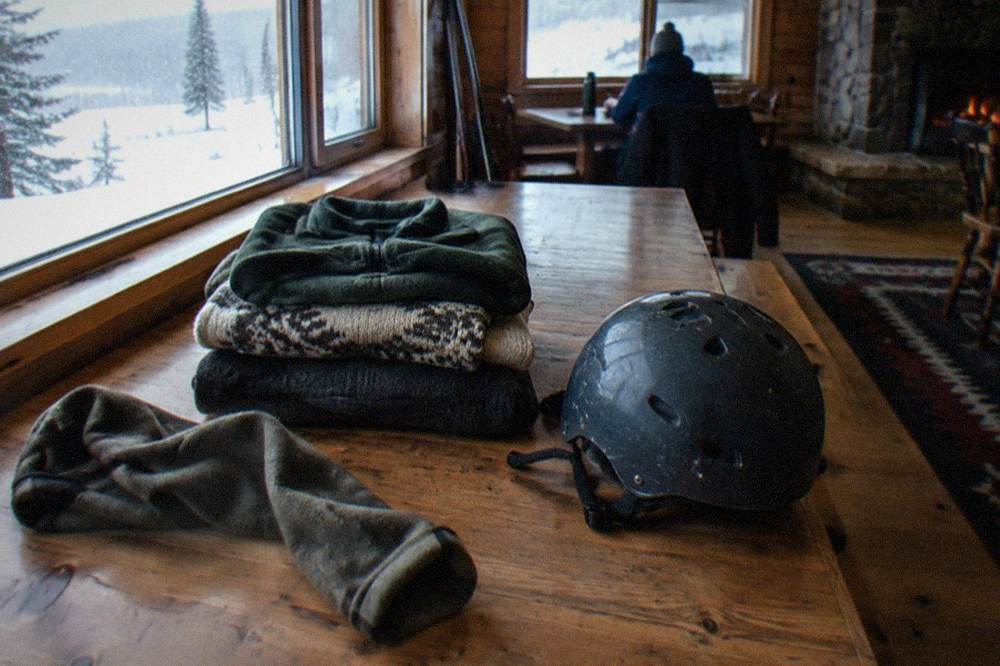
| Layer | Job | Fabric | Fit | Where to get it |
|---|---|---|---|---|
| Base | Wick sweat off skin | Synthetic or wool, never cotton | Snug, second-skin | Bring your own |
| Mid | Trap body heat | Fleece or wool | Roomy, holds air | Bring your own |
| Outer | Block wind and snow | Insulated, windproof snowmobile suit | Operator-fitted | Provided on tour |
| Feet | Warmth and dryness | Wool or synthetic socks in insulated boots | Snug, one heavy pair | Socks yours, boots usually provided |
| Head and hands | Seal the gaps | Balaclava, helmet, goggles, mittens | Sealed at every seam | Helmet and mittens usually provided |
The outer layer is almost always the operator's. A commercially guided snowmobile tour supplies a two-piece insulated snowmobile suit, jacket and bibs, plus the boots, helmet, and handwear described in the next section. That is standard across the in-park Scenic Safaris trips from the Jackson area and the Heart Six and Off Grid JH rides in the Buffalo Valley, though you should confirm gear inclusions on the operator's live listing when you book, because policies differ on items like glove liners and neck gaiters. What you never need to buy for a single guided ride is the sled itself, the suit, or the helmet.
Layering discipline also pays off on the long haul. A full-day Old Faithful snowmobile tour means roughly 10 to 12 hours door to door, with pickup from Jackson-area hotels in the 6 a.m. hour and return by late afternoon or early evening. The coldest stretch of that day is the first one, during outfitting and the ride in, and the warmest stretch is midday around the geyser basins, where thermal steam adds humidity to the air. Layers that unzip and shed let you match those swings instead of sweating through your base layer at noon and freezing at 4 p.m.
What Gear Does The Tour Operator Already Provide?
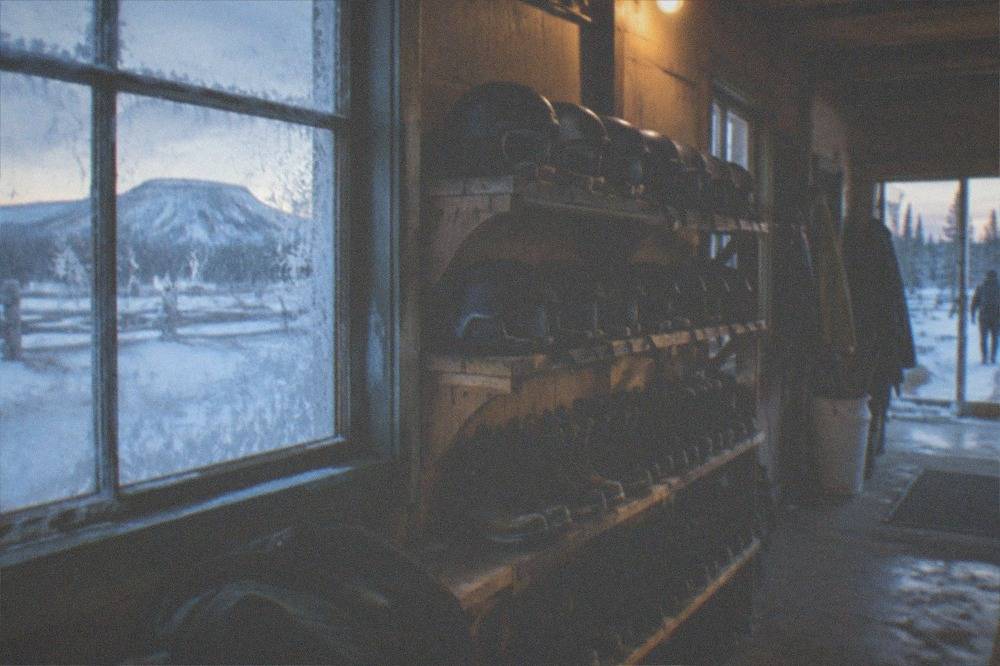
On a standard commercial guided tour, the operator provides the outer shell: a two-piece insulated snowmobile suit, insulated snow boots with removable liners, a full-face helmet with face shield, and leather mittens. You bring everything underneath: base and mid layers, socks, a balaclava, glove liners, goggles, and personal items. Confirm the exact gear list on the operator's live listing before you pack, because inclusions vary and small items are sometimes borrow-or-buy.
The clearest published example comes from operator day-tour guidance referenced in this site's research: riders get a 2-piece insulated snowmobile suit, Baffin snow boots with removable liners, a full-face helmet, and leather mittens, and riders bring their own base and mid layers (synthetic or wool, no cotton), one pair of heavy wool socks, a small backpack for personal items, a neck gaiter or balaclava, glove liners, and sunglasses or goggles. That division of labor is typical of the region's commercial snowmobile tour operators, and it means the most expensive gear is a solved problem the moment you arrive.
| Gear item | Usually provided by operator | Usually yours to bring | Notes |
|---|---|---|---|
| Insulated snowmobile suit | Yes | No | Two-piece, jacket and bibs |
| Insulated boots with liners | Yes | No | Bring one pair of heavy wool socks, not multiple thick pairs |
| Full-face helmet with shield | Yes | No | Fits over your balaclava |
| Mittens / gloves | Yes | Glove liners | Liners add a wind barrier under leather mittens |
| Base and mid layers | No | Yes | Synthetic or wool, no cotton |
| Neck gaiter / balaclava | Sometimes | Yes, safest | Borrow-or-buy varies by operator |
| Goggles or sunglasses | No | Yes | Snow glare is strong; goggles beat glasses at speed |
| Chemical heat packs | Sometimes | Yes, pack your own | Cheap insurance on long days |
This split matters most on the long in-park days. On the Old Faithful full-day tour, rated 4.6 across 338 reviews, from $475, the operator outfits every rider before the group enters Yellowstone through the South Entrance, and the day includes stops at geothermal features where you step off the sled and stand around in the cold for a while. Standing still is when under-dressed riders suffer, because the heat you generated riding dissipates fast. The operator's suit handles the riding wind; your mid-layer handles the standing-around minutes.
Shorter rides shift the balance slightly toward your own gear. The Bridger-Teton guided snowmobile tour from the Heart Six Ranch area runs about 3 hours, rated 4.7 across 87 reviews, from $350, in the Bridger-Teton National Forest outside Yellowstone. Three hours is short enough that a sweat-through is less likely, but the same base-and-mid layering applies, and the operator's suit and helmet still form your outer shell. Whichever length you choose, the internal link to your tour's live listing is where the current gear policy lives: check it, then pack against it.
For a deeper treatment of the booking-side questions, including license and age rules that determine who can drive, read the snowmobile rules and requirements guide before you finalize your group's plans.
How Do You Keep Feet, Hands, And Fingers Warm?
Wear one pair of heavy wool or synthetic socks inside the operator's insulated boots, not two thick pairs, because compression kills insulation and doubled socks trap moisture. For hands, use glove liners under the provided leather mittens and keep chemical heat packs in your pockets as backup. Feet and fingers fail first because they are farthest from your core and move the least, so warm extremities start with a warm core.
The counterintuitive sock advice is worth explaining. Two pairs of thick socks make your boots fit tight, squeeze circulation, and hold sweat; the result is colder toes than one proper pair. One pair of heavy wool socks, boots laced comfortably, and toe warmers taped to the top of your sock (not the bottom, where pressure flattens them) is the standard fix for riders who run cold. If you own battery-heated socks, they are compatible with any guided tour that lets you wear your own boots, though most riders find the provided insulated boots with removable liners are warm enough.
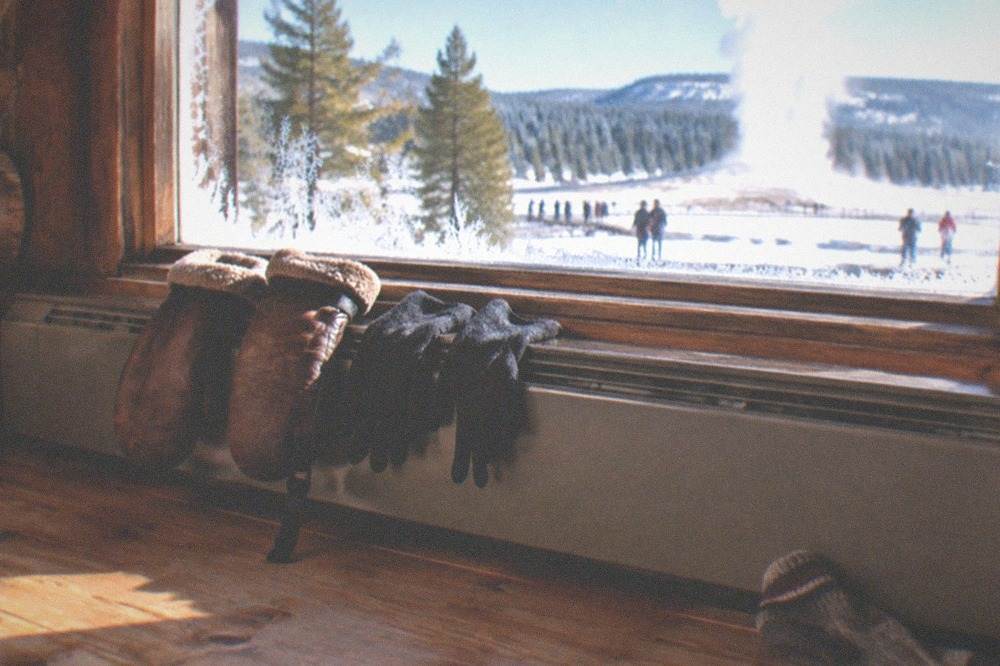
Hands follow the same compression logic. Glove liners under the operator's leather mittens give you two air gaps instead of one, and they let you operate zippers and cameras during stops without exposing bare skin. Thin liner gloves in the 40-to-60-gram class are enough; anything thicker defeats the mitten's loft. Mittens are warmer than gloves because fingers share one air pocket, which is why operators supply them and why you should not swap to your ski gloves on a cold morning unless the day is genuinely mild.
Feet and hands are also where the day's structure matters. On a tour like the Heart Six dog sledding and snowmobiling combo in the Buffalo Valley, roughly 7 hours, rated 4.4 across 16 reviews, from $595, you alternate between riding, standing in the snow watching the dog teams, and sitting in a warm spot at lunch. The transitions are the trap: hands that were toasty at 40 mph on the sled go cold in ten minutes of standing still. Riders who win those transitions start heat packs before they feel cold, not after. Keeping your hands warm also means keeping your judgment sharp, since a drink at lunch can affect more than just your ride, and you can read up on the rules in our guide to alcohol rules for snowmobiling in Yellowstone.
What About Helmets, Goggles, And Face Coverage?
The operator provides a full-face helmet with a face shield, which does the wind-blocking work, but you still bring a balaclava or neck gaiter for the skin gap below the helmet and goggles or sunglasses for glare. The shield and goggles together handle snow glare, road spray, and constant wind. Skip cotton bandanas, which freeze stiff with breath moisture, and never ride with an uncovered neck, because that gap funnels cold air into every layer above it.
A balaclava is the single highest-value small item on this list, and it costs about as much as two coffees. It seals the boundary between helmet and jacket, it covers the face gap that a shield alone leaves, and on sub-zero mornings you can pull it up over your nose for the ride and down around your chin at stops. A neck gaiter does a similar job with more adjustability. Bring one even if your operator might lend you one, because the loaner pile runs out on busy days.
Goggles versus the helmet shield is a judgment call worth making deliberately. Many riders ride with the shield up and goggles on, because goggles handle glare and wind in one sealed unit, and a fogging shield can leave you blind at 30 mph. Anti-fog wipes are a cheap addition to your kit. Whatever combination you run, sunglasses alone are a stop-and-walk option, not a riding option, because at speed they leak wind at the temples and the tear ducts, and snow glare reflecting off the road surface hits from below, not just above.
The sun itself is the forgotten variable in all face coverage. Yellowstone's snow cover reflects UV up at your face all day, and a winter sunburn on the nose and cheeks is a common souvenir of a day with the shield up. Sunscreen in a pocket, applied at the lunch stop, plus UV-rated eyewear, is the complete answer. For more on the weather that drives every one of these choices, see the site's guide to Yellowstone winter weather and what to expect.
What Should Kids And Passengers Wear?
Passengers, including children from around age 8 on operators' approved two-up machines, wear the same three-layer system as drivers, with the operator's suit, boots, and helmet sized to them, and they feel cold faster because they move less on the sled. Kids especially need a proper balaclava, goggles, one pair of heavy wool socks, and heat packs started early. Check the operator's minimum passenger age and sizing policy on the live listing before booking a family ride.
The passenger's problem is immobility. A driver constantly shifts weight, squeezes handgrips, and works the throttle, all of which generates heat and moves blood. A passenger, especially a small one, sits still and grips a passenger handgrip for hours, which is exactly the recipe for cold feet and cold hands first. Two-up riding is legal and routine on commercially guided tours on approved machines, and the standard operator policies include a minimum passenger age around 8 and a requirement that passengers can safely reach the grips and footrests, but the clothing answer is the same for every age: more attention to extremities, not less.
Layer kids the way the adults are layered, with one practical addition: carry a spare base layer for them. Children sweat during the outfitting and van-ride phase of a long tour like the Old Faithful snowmobile day, then cool rapidly on the sled, and a dry replacement mid-layer in the guide's support gear or your backpack turns around a cold, unhappy hour. It is also the item parents most often wish they had brought.
One near-Yellowstone option that handles families and mixed groups is the Jackson Hole snowmobile tour in the Bridger-Teton National Forest run from Jackson with morning pickup, rated a perfect 5.0 across 19 reviews, from $385. Like every Heart Six, Off Grid JH, and Turpin Meadow-area ride on this roster, it runs outside Yellowstone National Park, in national forest terrain near the park's southern boundary, and the gear policy is the same operator-provided outer shell. Confirmed gear inclusions and passenger ages live on the operator's live listing, which is the right place to verify before you book any family spots.
Which Clothing Mistakes Ruin A Winter Ride?
The classic failures are wearing cotton jeans or hoodies as layers, doubling socks into tight boots, arriving in street shoes for outfitting, riding with an uncovered neck gap, and sweating through your base layer on the warm drive to the trailhead. Each one either traps moisture against skin or leaks heat at a seam, and every one is preventable with the layering and sealing rules above.
Cotton is the villain in most of these stories, and the reason is physics, not fashion convention. Moist fabric conducts heat away from skin many times faster than dry fabric, and cotton holds moisture rather than moving it. A cotton hoodie under a snowmobile suit feels fine for the first hour and then becomes a cold, damp rag against your chest. Jeans under the suit's bibs do the same at the legs. The NPS guidance to avoid cotton exists precisely because this failure mode shows up every winter in every cold-weather park.
The sweat-through trap deserves its own sentence or two. On a full-day tour with a 6 a.m. hotel pickup, you sit in a heated van for an hour or more, you get kitted out in a warm shop, and by the time you swing a leg over the sled your base layer may already be damp. Damp base layer plus 10°F air equals a miserable morning. Dress light for the van, keep your mid-layer in your pack until outfitting, and layer up outside where the cold will hold your effort steady rather than amplifying it. The single most common first-timer error is overdressing for the drive and under-dressing for the stops, and it is the easiest one on this list to fix.
For the full item-by-item checklist beyond clothing, including the snacks, spares, and paperwork side of the trip, the site's snowmobile tour packing list covers what goes in the backpack, distinct from what goes on your body.
The last mistake is assuming gear questions end at the trailhead. Oversnow travel hours in the park run 7:00 a.m. to 9:00 p.m. daily, with the East and South Entrances opening at 8:00 a.m., so winter days start in the coldest hours and end near sunset, and cell coverage is unreliable across most of the winter park while cold drains phone batteries quickly. Your clothing system, a small dry-bag of spares, and a paper copy of your meeting details are the low-tech backups that carry the day.
Common Questions About What To Wear Snowmobiling In Yellowstone
What should you wear snowmobiling in Yellowstone?
A three-layer system: a moisture-wicking synthetic or wool base layer, a fleece or wool mid-layer, and the operator's windproof insulated suit as the outer shell, plus one pair of heavy wool socks in insulated boots, a balaclava, goggles, and glove liners under the provided leather mittens. Never cotton. The operator supplies the suit, boots, full-face helmet, and mittens on a standard guided tour.
Do I need to buy a snowmobile suit for a guided tour?
No. Commercial guided tours provide the insulated two-piece suit, insulated boots with liners, full-face helmet, and leather mittens. Your costs are the base and mid layers you likely already own for skiing or hiking, plus a balaclava, glove liners, and goggles. Confirm inclusions on the operator's live listing when you book.
How cold is too cold to snowmobile in Yellowstone?
Winter days typically run 0°F to 20°F and tours operate through that whole range, since snow-dependent road access typically runs mid-December through mid-March. Extreme cold advisories can cancel or shorten trips, and operators decide on safety grounds. With proper layering, the standard winter range is very manageable; under-layered riders, not the thermometer, are the usual failure point.
Can I wear my ski gear instead?
Mostly yes. Ski base layers and mid-layers are exactly right, and goggles transfer directly. The pieces that do not substitute are the outer shell, since ski jackets are not built for seated wind at sled speeds, and gloves, since ski gloves usually lack the loft of the operator's leather mittens. Wear your ski layers under the provided suit.
Should I wear two pairs of socks?
No. One pair of heavy wool or synthetic socks is warmer than two, because doubled pairs compress the insulation and restrict circulation, which is the opposite of what cold feet need. Keep boots laced comfortable, add toe warmers on top of the sock on cold days, and let the operator's insulated boots do the trapping.
What do kids on a snowmobile tour need to wear?
The same three-layer system as adults in operator-sized gear, with extra attention to a balaclava, goggles, and heat packs started early, since child passengers move less than drivers and feel cold sooner. Carry a spare dry mid-layer for them. Operators typically set a minimum passenger age around 8 on approved two-up machines; check the listing before booking.
Yellowstone's winter cold is predictable, which is exactly why it is beatable. The park tells you the range in advance, the operator hands you the shell, and the layering rules above cover everything in between. Whether your day ends up being a full-day guided snowmobile tour to Old Faithful inside the park or a shorter Jackson Hole-area ride through the Bridger-Teton National Forest, the same fabric logic and the same sealed seams carry you through it, and Yellowstone Snowmobile Tours exists to keep the rest of the planning just as straightforward.