Things To Do In Yellowstone In Winter Besides Snowmobiling
A winter planner's guide to Yellowstone beyond the sled: heated snowcoach tours, skiing and snowshoeing, the plowed Lamar Valley road, in-park lodges, and winter wildlife.
Things To Do In Yellowstone In Winter Besides Snowmobiling
Yes. Once snow closes the interior roads, roughly mid-December through mid-March, the park runs on oversnow travel, skis, and snowshoes. Beyond a guided snowmobile tour you can ride a heated snowcoach, ski or snowshoe unplowed roads, watch wildlife from the plowed northern highway, and sleep at Old Faithful Snow Lodge.
Most of Yellowstone's roads close to regular automobiles in early November, and they do not reopen to cars until late April. In between, the interior belongs to oversnow vehicles. NPS winter guidance is blunt about what that means: guided snowmobiles, snowcoaches, skis, and snowshoes are the tools of the season, and the payoff is a version of the park that a tiny fraction of its visitors ever see.
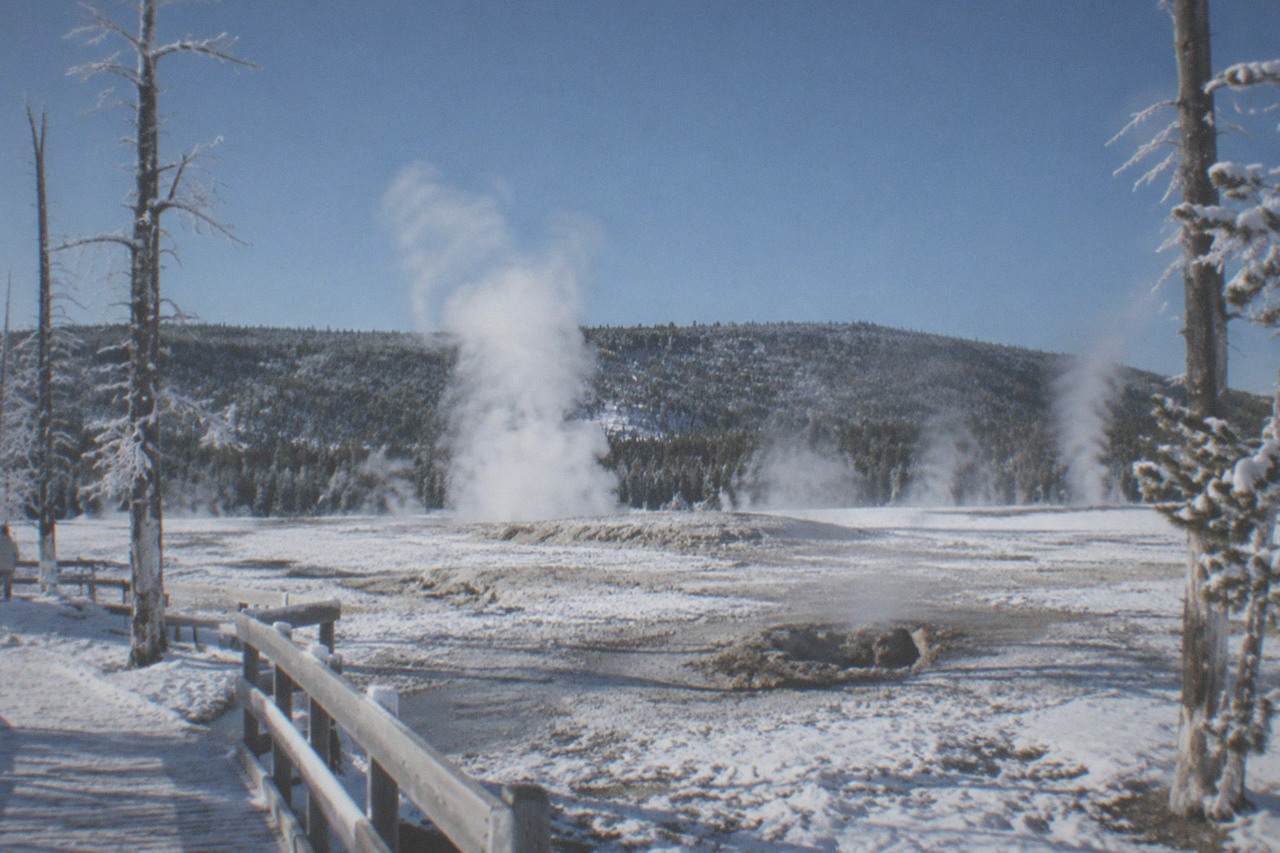
The numbers tell that story better than any brochure. Winter months draw a fraction of summer traffic, and January recreation visits have averaged roughly 28,837 in NPS statistics, under one percent of a typical year's total. A geyser basin that feels packed in July can be near silent in January. Boardwalks crunch underfoot, bison wear frost on their shoulders, and steam columns stand up against the cold air like chimneys.
That quiet is exactly why a winter itinerary deserves more than a single tour day. This site exists to sell the sled trips, and a guided snowmobile tour into the park's interior is the marquee product. But the honest planning advice is that the best winter trips stack several kinds of days: a riding day, a heated-vehicle day, a self-propelled day, and at least one night inside the park boundaries.
For readers building the rest of the week, the sections below cover the four pillars of a non-sledding winter visit: the snowcoach option, the activities that need no vehicle at all, in-park lodging, wildlife, and how to size the trip. Everything here reflects the park's own published rules and the current tour roster, and where a product's season status is uncertain the copy says so plainly rather than promising.
What Is A Snowcoach Tour And Who Is It For?
A snowcoach is a heated, track-converted van that carries passengers over the same groomed roads snowmobiles use. The Old Faithful snowcoach tour from Jackson Hole runs about 12 hours, is rated 4.8 across 227 reviews, and costs from $450. It suits travelers who want the interior without riding a sled.
Think of the snowcoach as the park's winter bus, minus the bus. The machines ride on tracks and oversnow tires, hold heat well, and move at sightseeing speed along groomed corridors to Old Faithful, the Grand Canyon of the Yellowstone, and other interior landmarks that private cars cannot reach between mid-December and mid-March (see Private Snowmobile Tours). Guides narrate the geology and the wildlife, and riders step off at the same boardwalks the snowmobile groups visit, just with more feeling left in their fingers.
The roster's Old Faithful snowcoach product is the natural pairing for a snowmobile day, or a substitute for it. Departure is by hotel pickup in the Jackson, Wyoming area, or from a central meeting point on US-89 in Jackson, and the day runs roughly 12 hours door to door. It is rated 4.8 across 227 reviews and priced from $450. One honest caveat belongs here: the listing showed an unavailability notice on a recent off-season check, so treat it as a book-early, confirm-current-availability product rather than a guaranteed daily departure. Winter-only listings sometimes open their booking windows late.
Who should pick the coach over the sled? Families with children too young to ride as a snowmobile passenger, anyone with back, shoulder, or cold-sensitivity issues, and photographers who would rather shoot through a window than steer. It is also the choice when a group splits: the riders take the sled day, everyone else takes the snowcoach tour to the same destination and both groups meet at Old Faithful.
The internal comparison is straightforward, and the table below puts the park's main oversnow products side by side. The Old Faithful snowcoach tour page carries full itinerary details, and Check availability links to the operator's live listing for real dates and the current price.
| Oversnow option | Approx. length | Price | Review standing |
|---|---|---|---|
| Old Faithful snowcoach from Jackson Hole | ~12 hours | From $450 | 4.8 across 227 reviews |
| Old Faithful snowmobile from Jackson Hole | 10 to 12 hours | From $475 | 4.6 across 338 reviews |
| 4-day Grand Teton and Yellowstone winter tour | ~4 days | From $2,089 | 5.0 stars, 9 reviews so far |
One note on that third row: the four-day trip is a guided multi-day tour rather than a single activity, and its review pool is small, nine reviews at last count, so it earns no superlatives here. It earns its place in the comparison because it solves the whole-itinerary problem in one booking.
What Can You Do In Yellowstone Without A Snowmobile At All?
Plenty. Cross-country skiing and snowshoeing are allowed on most unplowed roads and trails, boardwalks around the thermal basins stay open, and the North Entrance road from Gardiner through Lamar Valley to Cooke City remains plowed for regular cars year-round, so a winter visit can run entirely on your own two feet or four wheels.
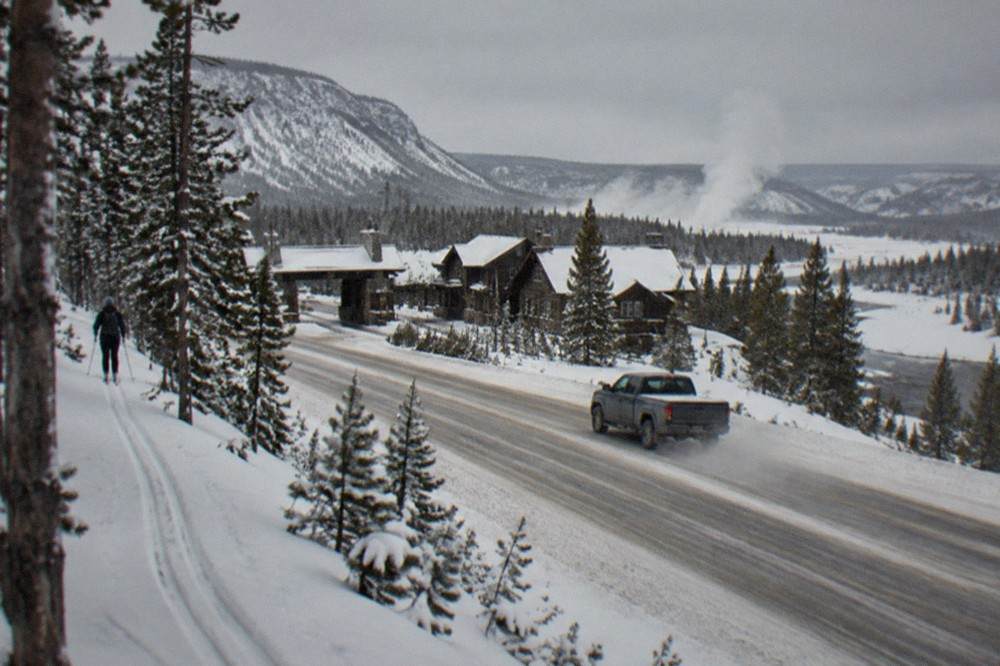
The self-propelled options are the park's best-kept winter secret. Once the interior roads close to cars, they stop being roads in any practical sense and become long, flat, snow-groomed trails, and the park's ski page opens them to cross-country skiing and snowshoeing. Some areas, including routes around Mammoth, are groomed specifically for skiing. You do not need avalanche gear or backcountry chops for the road corridors, just warm layers, a water bottle, and a willingness to move at your own pace past scenery that summer visitors only see from a windshield.
The boardwalks around the thermal basins are maintained through winter as well. Old Faithful's viewing benches, West Thumb's lakeside vents, and the Mammoth terraces all remain walkable, and steam hangs heavier in cold air, which makes the features more photogenic in January than in July. If you sleep at Old Faithful Snow Lodge, the Upper Geyser Basin is a two-minute walk from the lobby, and the basin runs on its own clock: NPS lists a median eruption interval of 102 minutes, give or take 10, for Old Faithful, so patience is the only ticket required.
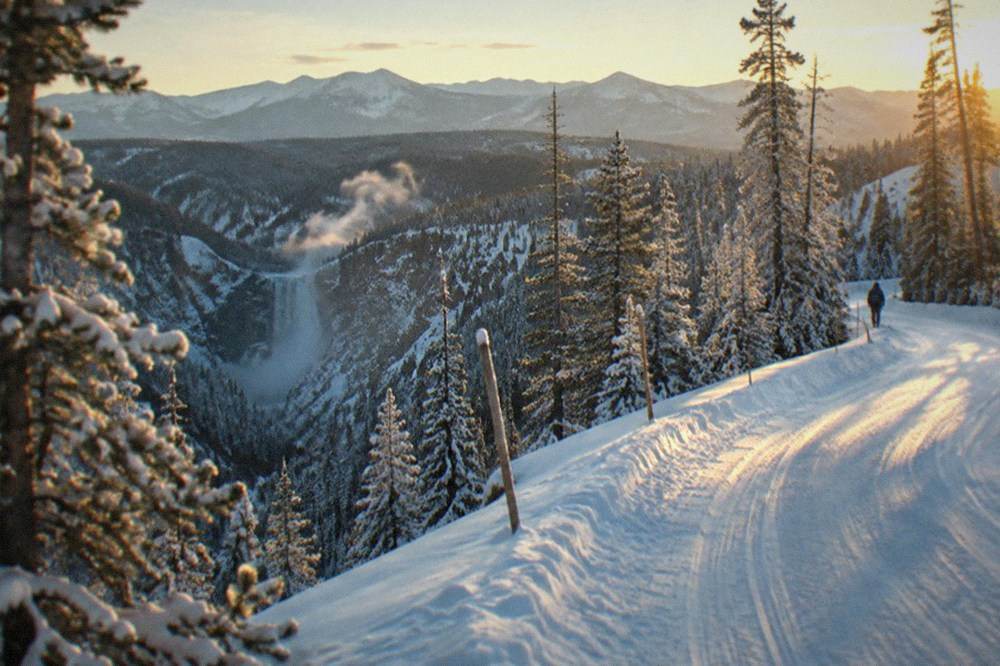
Then there is the northern road, the one strip of Yellowstone that winter never closes. The highway from Gardiner through Mammoth Hot Springs, Tower Junction, Lamar Valley, and on to Cooke City is plowed all year for regular vehicles. That makes it the park's only drive-yourself winter route, and it happens to run through its best wildlife habitat. More on that in the wildlife section below.
| Activity | Where | What you need |
|---|---|---|
| Cross-country skiing | Unplowed interior roads, groomed routes near Mammoth | Skis, layers, water; rentals live in gateway towns |
| Snowshoeing | Same road corridors plus boardwalk trails | Snowshoes, no experience required |
| Thermal boardwalks | Old Faithful, West Thumb, Mammoth terraces | Warm boots; access via snowcoach, ski, or lodge stay |
| Scenic driving | Gardiner to Cooke City via Lamar Valley | A regular car on the year-round plowed road |
| Warming huts and visitor centers | Old Faithful, Canyon, Mammoth, West Thumb | Nothing beyond your entrance pass; hours run reduced in winter |
Cost note, since planners ask: the standard 7-day entrance pass runs $20 to $35 depending on how you enter, children under 16 are free, and non-US residents 16 and older pay an additional $100 per person without an annual pass. None of the self-propelled activities carries a fee beyond that pass.
Can You Stay Overnight Inside Yellowstone In Winter?
Two lodges. Old Faithful Snow Lodge and the Mammoth Hot Springs Hotel are the only in-park hotels open in winter, and both book out far ahead for the mid-December to mid-March oversnow season. Sleeping at Old Faithful puts the Upper Geyser Basin's groomed boardwalks literally outside the door.
Winter lodging inside the park is a short list by design. Old Faithful Snow Lodge sits a short walk from the geyser it is named for, and the Mammoth Hot Springs Hotel sits at the north end of the year-round road. Both operate limited winter seasons that track the oversnow window, and both feed and shelter guests who otherwise would face a long, cold shuttle back to a gateway town at dusk.
The strategic value of a night at Old Faithful is hard to overstate. Day-trippers on a snowcoach or snowmobile tour get an hour or two in the Upper Geyser Basin, timed around the eruption clock. Overnight guests get the basin at dawn and after dark, when the steam columns catch low light and the boardwalks are empty. Geyser Hill, Morning Glory Pool, and the lesser-named vents along the Firehole River all sit within walking distance, no oversnow ticket required.
Practical warnings: book months ahead, and treat any winter park stay as weather-flexible. Roads in and out depend on grooming and on snowfall, and the East Entrance road over Sylvan Pass can close for hours or days at a time on avalanche danger, a fact NPS posts plainly. If your heart is set on a specific lodge night, reserve the room and the connecting oversnow transport together, and leave a buffer day on either side. Cell service is unreliable across the winter interior, so carry printed confirmations.
For anyone weighing a full inside-the-park itinerary, a multi-day guided product removes the logistics burden entirely. The four-day Grand Teton and Yellowstone winter tour from Jackson, priced from $2,089, is that kind of trip: lodging, guiding, and both parks bundled. Its review pool is small at nine reviews, which says only that few people have reviewed it, not that it is untested. We will come back to it at the end of the itinerary math.
What Wildlife Can You See On A Yellowstone Winter Trip?
Bison, elk, and wolves headline the list, plus bighorn sheep, coyotes, foxes, otters, trumpeter swans, and bald eagles. Bison crowd the groomed roads and thermal patches of the interior. The plowed northern road through Lamar Valley is the reliable drive-yourself option, since wolves are easier to spot against snow there.
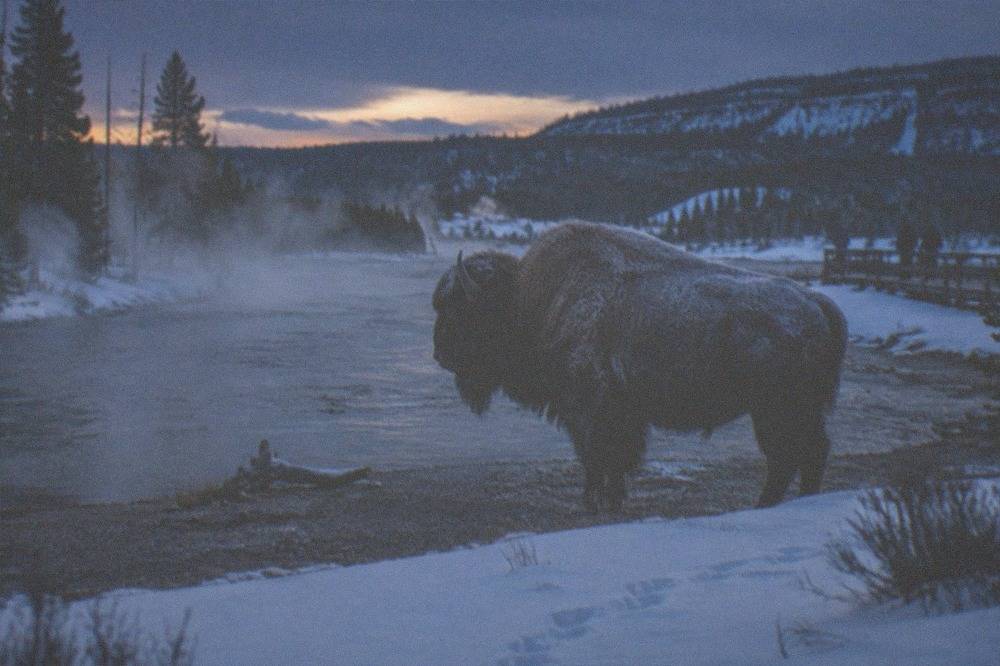
Winter is the best wildlife season, and it is not close. Snow strips the landscape to its essentials: dark animals on white ground. Elk move lower toward the rivers, bison congregate around thermal areas where the ground stays warm, and predators follow the herds. Along the oversnow corridors, riders and snowcoach passengers routinely pass bison using the groomed roads as easy walking lanes, which is why guides keep speeds down and distances up.
Wolves are the marquee draw, and the northern road is where they show themselves. The park's population stood under 84 animals in the most recent winter count, with packs including the Wapiti Lake group around Hayden Valley and the Firehole, and the Rescue Creek pack around the Blacktail Plateau and Tower area. Sightings are never guaranteed, but the Lamar Valley in February, with binoculars and patience, is about as good as wolf viewing gets anywhere in the lower 48. For a fuller species-by-species rundown, the winter wildlife you might see article breaks down where each animal winters and why.
Two safety points, both from the park's own winter guidance. Never approach or feed wildlife, and give bison especial respect, since they use the same roads and trails people do, and they always have the right of way. And if you are watching wildlife from a vehicle on the northern road, pull fully off the travel lane, since snowplows and local traffic use that corridor all day.
If wildlife is the main reason you are going, the multi-day guided option deserves one more look. The four-day winter tour from Jackson, from $2,089, routes through both Grand Teton and Yellowstone with a guide who knows where the herds are, which matters more in winter than in any other season.
Day-trippers who want wildlife without committing to a full tour still have the self-drive option: enter at Gardiner, drive the plowed road through Lamar Valley at first light, and exit the same way by afternoon. Entrance pass in hand, that day costs fuel and patience, nothing else.
How Many Days Do You Need, And What About Grand Teton?
Three full days is the minimum most winter itineraries suggest, with four or five allowing a slower pace. A multi-day guided tour such as the four-day Grand Teton and Yellowstone winter trip from Jackson, from $2,089, bundles both parks; Grand Teton keeps its main highway plowed year-round, so it pairs naturally with Yellowstone.
Trip length is where winter itineraries usually fail. The distances are long, the days are short, and the oversnow window for travel is 7 a.m. to 9 p.m., with the South and East entrances opening at 8 a.m. A single tour day plus a travel day on either side is technically a trip, but it leaves no room for weather, and winter weather in Yellowstone takes no requests. Three full days is the honest minimum for one oversnow tour plus the northern road; four or five days lets you add a lodge night and a Grand Teton leg without rushing.
The Teton pairing is easier than most visitors expect. Grand Teton's main valley highway, US-89/191/26 from Jackson north towards Flagg Ranch, stays plowed and open to cars all year, per the park's road status page, even as its inner roads close to vehicles from November through April and reopen as ski and snowshoe corridors. So a Jackson-based trip can drive the Teton valley for scenery and elk one morning and ride into Yellowstone's interior the next day on a guided snowmobile tour or snowcoach. The two parks run on different access rules in winter, and that contrast is itself part of the trip's appeal.
A sample four-day frame, built entirely from options in this article: day one, drive the Teton valley and settle in Jackson; day two, the Old Faithful snowmobile tour from Jackson Hole, 10 to 12 hours, from $475; day three, the snowcoach tour for the non-riders in the group, or a ski morning plus an afternoon on the northern road; day four, Lamar Valley at dawn and out through Gardiner. Or hand the whole problem to a guided product and buy the four-day Grand Teton and Yellowstone winter tour, which is precisely what it is for.
Readers comparing sled options in more depth can start with the Yellowstone snowcoach tour guide, which covers the heated-vehicle side of the roster in full. And for a wider look at what the roster's Yellowstone Snowmobile Tours covers across both parks and the Jackson Hole forest rides outside the boundary, the tour pages carry current prices and departure details for every product listed here.
Common Questions About Winter Activities In Yellowstone
Can you see Old Faithful in winter without riding a snowmobile?
Yes. A heated snowcoach tour reaches Old Faithful over the same groomed roads, and overnight guests at Old Faithful Snow Lodge walk to the viewing benches from the lobby. The geyser runs on a median interval of 102 minutes, give or take 10, so it erupts many times a day all winter.
Is Yellowstone worth visiting in winter if you do not snowmobile?
Most winter visitors would say yes, and the numbers back the quiet: January averages roughly 28,837 recreation visits, under one percent of annual visitation. Skiing, snowshoeing, thermal boardwalks, the plowed northern wildlife road, and in-park lodge stays fill a full itinerary with no sled day at all.
What is the cheapest way to see Yellowstone in winter?
Drive the year-round road from Gardiner through Lamar Valley to Cooke City. The standard entrance pass runs $20 to $35, children under 16 enter free, and the road requires only a regular car and warm clothing. Interior access, by contrast, requires a guided oversnow tour or a lottery permit.
Can you ski or snowshoe inside the park?
Yes, on most unplowed roads and trails, with some groomed routes around Mammoth. No fee applies beyond the entrance pass, and rentals are available in the gateway towns. No prior experience is needed for snowshoeing, which makes it the easiest family option after a tour day.
Are the Yellowstone lodges open all winter?
Old Faithful Snow Lodge and Mammoth Hot Springs Hotel both operate through the winter, but on limited seasons that track the oversnow window, roughly mid-December to mid-March. Book well ahead, and build a buffer day for weather, since interior access depends on grooming and road conditions.