Yellowstone Snowmobile Tour Safety: Weather, Avalanche Risk And Cancellations
How safe a guided Yellowstone snowmobile tour really is, what weather can cancel a trip, how avalanche risk is handled, and what happens to your money when a winter tour is called off.
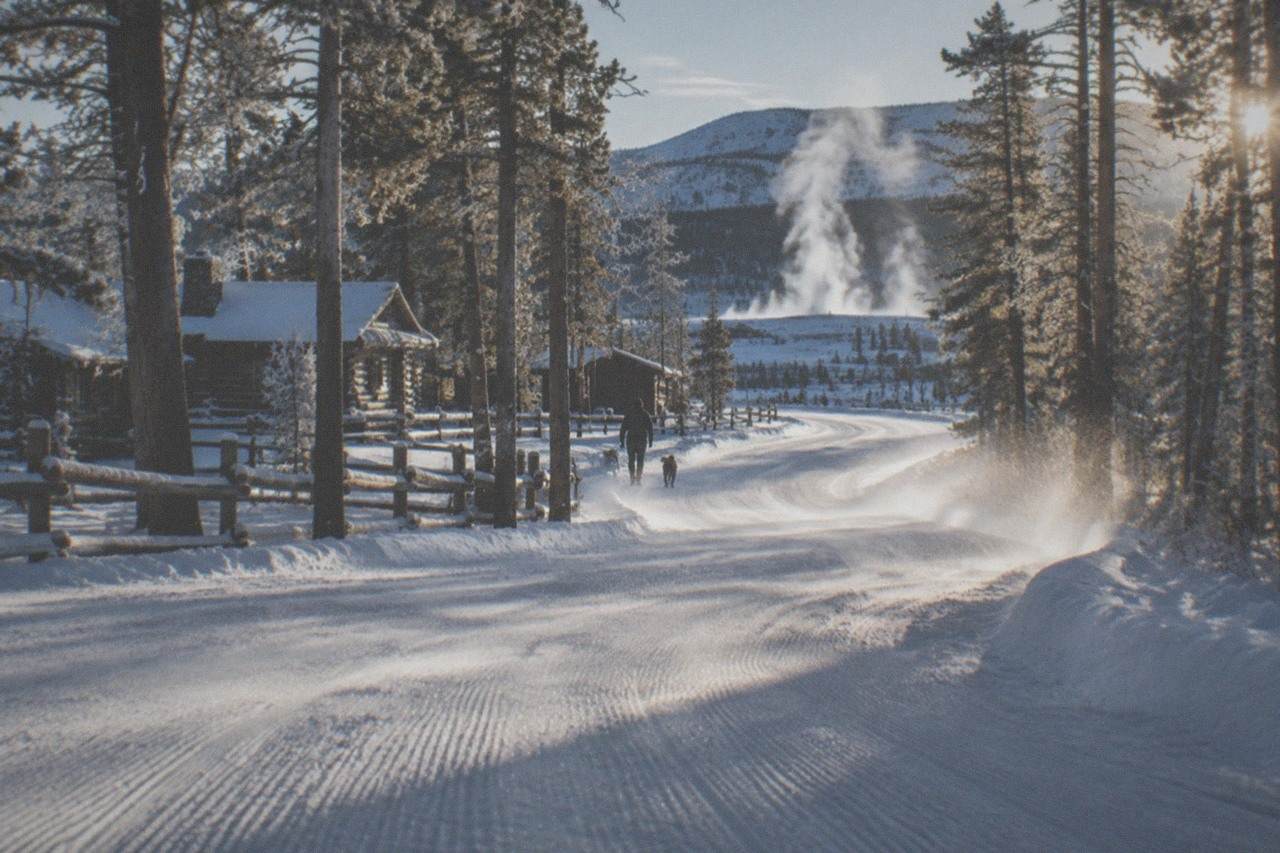
Yellowstone Snowmobile Tour Safety: Weather, Avalanche Risk And Cancellations
Guided snowmobile tours inside Yellowstone run under a safety framework most riders never see: every sled travels with a commercial guide, every machine meets NPS-certified emissions and sound standards, and the park itself closes roads when conditions turn. Outright cancellations are uncommon. The real risks on a winter tour are cold exposure and lost time to weather, not the ride itself. Since cold is the real threat, packing for the conditions matters more than worrying about the ride itself, and our guide to winter weather in the park shows you exactly what to prepare for.
That framing matters because winter in Yellowstone is genuinely serious country. Daytime temperatures run from 0°F to 20°F, sub-zero readings are common at night, and wind chill on a moving sled drops the effective temperature fast. Nobody should treat a guided snowmobile tour like a theme park ride. But the same park that posts those numbers also runs one of the most regulated oversnow programs in the country, and the rules exist because the environment demands them.
The core rule is simple: unguided snowmobiling inside Yellowstone is prohibited. Every sled in the park, except on the Cave Falls Road, travels with either a commercial guide on an authorized tour or a non-commercial guide holding a lottery permit. That single requirement is the biggest safety feature of any Yellowstone snowmobile tour. Your guide knows the groomed road system, watches the weather, carries the communication gear, and makes the call when conditions say turn around.
Machines are regulated too. Park rules cap sled noise at 67 dBA at cruising speed and set hard emissions limits, and only models on the park's approved Best Available Technology list are allowed. Commercial tour operators run under concessioner permits, which means their equipment is NPS-compliant by definition. A renter outside the park can show up on anything; a tour sled inside the park cannot.
None of this removes weather from the equation. Snow, cold and avalanche terrain shape every winter day in the park, and the question most buyers actually have is narrower than "is it safe": it is "what happens if the weather turns on my day, and do I lose my money?" The sections below answer that question piece by piece, starting with the safety record, then weather cancellations, refunds, avalanche exposure, deep-snow days, and cold-weather handling on the sled.
If you are still comparing which trip to book, the three in-park options below cover the main formats: the classic snowmobile run to Old Faithful, the canyon route, and the heated snowcoach alternative.
How Safe Is A Guided Snowmobile Tour Really?
A guided tour is the safest legal way to ride inside Yellowstone, because the guide requirement, the certified machine fleet and the park's daily road management do most of the risk reduction before you ever sit on a sled. Guided tours also carry the practical safety layer riders underestimate: warm gear issued on site, a briefed route on groomed roads only, and a group leader whose job is judgment.
Start with what the park itself publishes. NPS winter safety guidance is blunt that Yellowstone winters are extreme, that avalanches occur throughout the area and can be deadly, and that visitors should prepare for deep snow and changing conditions. That guidance is written for everyone, including people driving their own cars through the Northern Range. A commercial guided snowmobile tour operates inside a narrower envelope than the general advice covers: groomed roads only, daylight travel recommended, oversnow hours limited to 7:00 a.m. to 9:00 p.m. daily.
The guide requirement is worth dwelling on, because it is the structural difference between a Yellowstone tour and a rental. Outside the park, in the Bridger-Teton National Forest and around West Yellowstone, a rental sled comes with a map, a waiver and your own decisions. Inside the park, every commercially guided group moves with someone who has driven that road all season, knows where wildlife lingers, and has a radio path to the operator when the sky changes. That does not make the tour risk-free; it makes the risk managed by someone whose full-time job is that road.
Machine standards add a second layer. The Best Available Technology rules limit sound to 67 dBA and cap tailpipe carbon monoxide at 90 g/kW-hr and hydrocarbons at 15 g/kW-hr, per the park's concession operating requirements. The practical effect for a rider is that tour sleds are modern, quiet, well-maintained touring machines rather than anything exotic. Speeds stay touring-pace on groomed road, and two-up riding happens on sleds actually designed for a driver plus a passenger.
One more layer riders rarely think about: the park closes roads, not operators. When the National Park Service decides a road segment is unsafe, that segment is simply shut to oversnow travel, and every permitted operator on it stops. You can read the standing road status yourself on the NPS park roads page, which is also where staggered season closings are posted.
Wondering whether to lock in a date now? Free-cancellation terms are common on winter tours, so booking ahead rarely costs you flexibility.
What Weather Actually Cancels A Yellowstone Tour?
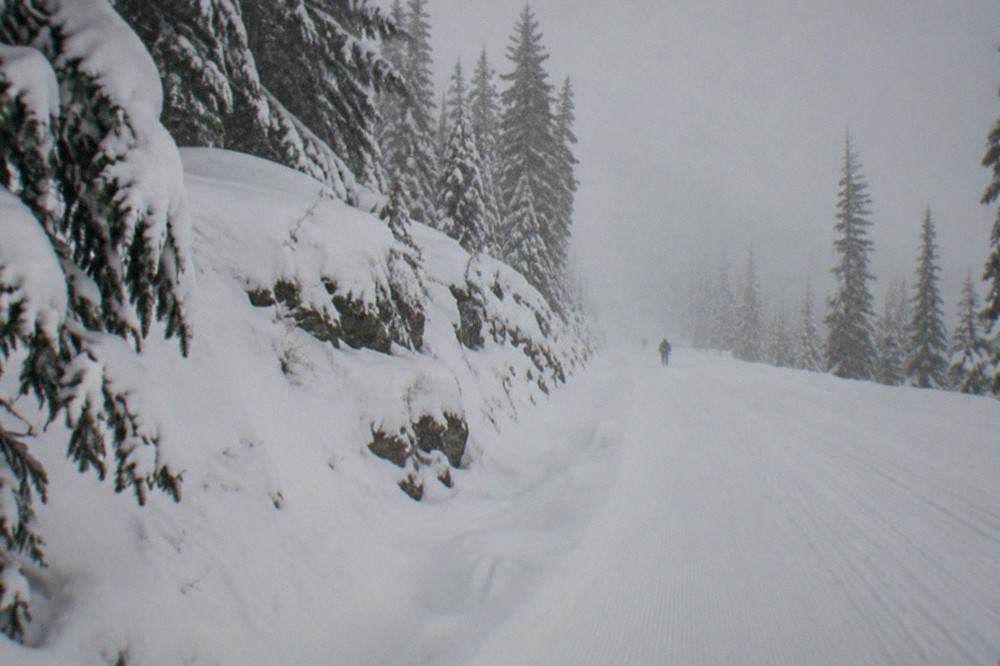
Full cancellations on guided tours are rare, and the weather that causes them is specific: blizzard conditions closing a road segment, avalanche control work on Sylvan Pass, or cold so extreme the operator judges exposure unsafe for the group. Fresh snowfall alone almost never cancels a tour, because groomed roads and deep snow are the entire point of the season.
The distinction riders miss is that snow is the product, not the hazard. A guided snowmobile tour needs a groomed road base, and the oversnow season only opens once enough snow accumulates, usually by mid-December. Operators plan around snow. What actually stops a day is visibility and closure. Whiteout conditions on an open road segment, a storm the park decides warrants closing a road, or avalanche danger on the East Entrance road over Sylvan Pass, which NPS notes may close for hours or even days at a time.
Here is the practical read on what different conditions usually mean for a booked tour:
| Condition | What typically happens |
|---|---|
| Heavy fresh snowfall, good visibility | Tours run; grooming continues overnight and the riding is often at its best |
| High wind with blowing snow and poor visibility | Possible delay, reroute to a more sheltered segment, or reschedule |
| Road segment closed by the park | The tour reroutes to an open segment or the operator reschedules |
| Avalanche danger or control work on Sylvan Pass | East Entrance road travel halts, sometimes for hours or days; affected trips reschedule |
| Extreme cold beyond operator thresholds | Operator decides; shortening the route or rescheduling are the usual outcomes |
The Sylvan Pass item deserves a flag for anyone eyeing an East Entrance angle: the recreation.gov permit materials state plainly that avalanche danger on the pass can close the road with no refunds or rescheduling for weather-related closures on the non-commercial side. Commercial tours have their own rescheduling terms, but the physical reality is the same road. The Jackson-departure tours that make up most of the in-park roster enter via the South Entrance instead, which is why winter itineraries from that side concentrate on the Old Faithful and Canyon corridors.
If bad weather is a real worry for your dates, the snowcoach format is the natural hedge. A heated-cabin vehicle follows the same groomed roads with the same guide structure, and the Old Faithful snowcoach tour from Jackson Hole is rated 4.8 across 227 reviews and runs from $450. Same scenery, same park rules, far less exposure.
For what a day actually looks like when everything goes right, our walkthrough of what happens on a Yellowstone snowmobile tour covers the hour-by-hour pattern, from early hotel pickup to the return leg.
What Happens To My Money If The Tour Is Canceled?
Commercial tour cancellation terms vary by operator, so treat the live listing as the binding word before you pay; the general pattern is rescheduling first and refunds where the operator cancels. The non-commercial permit program is different and stricter: no refunds or rescheduling for weather or road closures, with a partial refund only if you cancel at least one week ahead.
The comparison matters because buyers conflate the two programs. Here is the honest side-by-side:
| Commercial guided tour | Non-commercial permit (NCGSAP) | |
|---|---|---|
| Who cancels for weather | Operator or park closure | You, or the road closes regardless |
| Weather-related refund | Per operator terms; check the listing | None; permit rules state no refund or reschedule for weather or closures |
| Self-cancellation | Per operator terms; free-cancellation windows are common on winter tours | Partial refund only if canceled at least one week before the start |
| Fees | Stated on the live listing at booking | $40 per day plus a $6 non-refundable application fee |
The strict column is the lottery permit program, and its terms are published plainly: the $6 application fee is never refundable, canceling at least a week out earns a partial refund, and weather or road closures earn nothing. That harshness is the price of the cheapest legal way to ride inside the park without a commercial guide, and it is why many families skip the lottery entirely.
The commercial column is softer but operator-specific. Reputable winter operators around Jackson and West Yellowstone generally reschedule first when the park closes a road, because an empty sled on a rescheduled date still earns a customer. Before paying anything, read the cancellation line on the operator's live listing for the specific date; that line, not any article, is what governs your deposit.
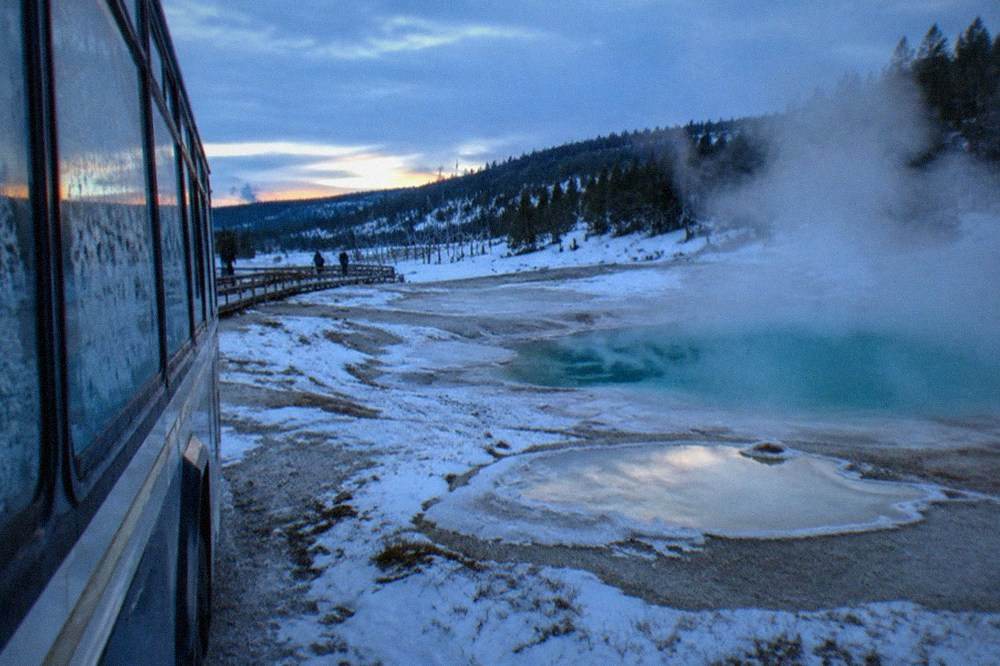
A concrete example helps. The Old Faithful full-day snowmobile tour from Jackson Hole, the most-booked in-park option at from $475 and rated 4.6 across 338 reviews, lists its own terms on the live listing, and you can read them side by side with the Old Faithful snowmobile tour page before committing, then Check availability once you know your dates.
Is Avalanche Risk A Problem On Tour Routes?
Avalanche terrain exists in the Yellowstone area, and the one road where it directly interrupts winter travel is the East Entrance route over Sylvan Pass, which can close for hours or days. The groomed tour corridors from the South Entrance to Old Faithful and the Canyon are road-based routes, not backcountry riding, and guides keep groups on them.
The word avalanche scares flatlanders, so be precise about exposure. NPS winter safety guidance says avalanches occur throughout the Yellowstone area and can be deadly, and directs travelers to forecasts from the Gallatin and Bridger-Teton avalanche centers. That is area-wide truth. But a commercially guided snowmobile tour in Yellowstone is not backcountry riding. Groups travel on groomed park roads at touring speed, staying on the same corridors the snowcoaches use, and guides receive orientation on safe travel through Sylvan Pass where it applies. The wider set of guides lives on Yellowstone Snowmobile Tours.
The Sylvan Pass caveat belongs to the East Entrance and Cody side of the map. The permit materials note the road may close temporarily for avalanche danger or control work, with no rescheduling on the non-commercial side. For a commercial trip, a closure there means the operator reroutes or reschedules, which is one reason most bookable in-park product concentrates on the western and southern corridors. Notably, the park's concession operating plans even close specific viewpoints in winter, like the upper platform at Artist Point and the brinks of the Upper and Lower Falls, which tells you how seriously the park manages where winter visitors stand.
If you want the wider safety picture including alcohol rules and machine standards, our rules and requirements guide breaks down every restriction that applies before you ride.
What If It Snows Too Much On Tour Day?
Too much snow is usually a logistics problem, not a danger problem: grooming may run behind, the route may shorten, and the day may start late, but deep snow on a groomed road system is the condition tours are built for. The scenario that genuinely stops travel is a storm severe enough for the park to close a road segment, and that decision comes from the park, not the operator.
Riders from warmer climates often assume a big snowfall means cancellation. The reverse is closer to true. The oversnow season exists because the park's interior roads hold a groomed snow base from mid-December to mid-March, and fresh snow on top of that base is what makes the landscape look the way it does in every photo. A heavy overnight dump can delay the morning while routes are groomed, and visibility during the storm itself can push a departure later into the oversnow window. But a tour operating in the legal travel hours, on an open groomed segment, with a guide pacing the group, is riding in its designed conditions.
The genuine "too much" scenarios are three. First, a storm intense enough that the park closes a road segment outright; then the operator reroutes or reschedules. Second, snowfall so deep that warming huts and fuel stops run behind schedule, which lengthens the day rather than ending it. Third, wind-driven whiteout, where the hazard is not depth but visibility, and guides slow the group or hold at a safe stop until it clears. The park's own guidance recommends daylight travel, and full-day tours are built with margin for exactly this kind of pause.
Practical preparation helps more than worry. Dress in the operator-issued outer gear over your own wool or synthetic layers, keep chemical heat packs and sunglasses in a small pack, and read our winter tour packing list before your date so you are not improvising at 6 a.m. in a hotel lobby.
How Do Guides Handle Cold And Emergencies On The Sled?
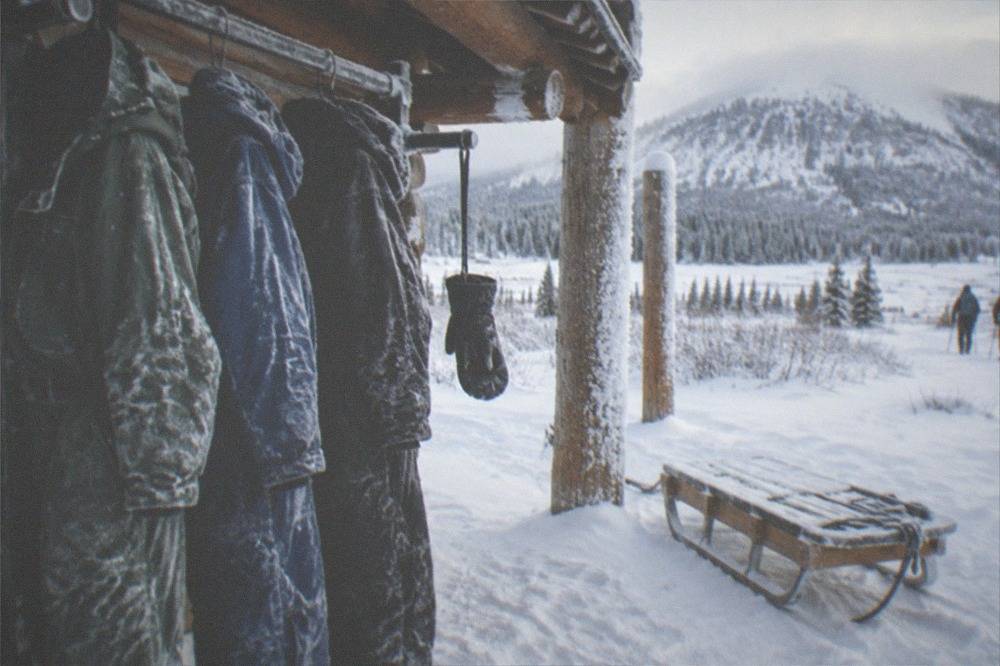
Guided tours handle cold the same way they handle everything else: with issued gear, pacing and pre-planned warm stops, since the classic route includes heated warming huts at Old Faithful, Madison and West Thumb. Winter daytime temperatures sit between 0°F and 20°F, so the operator's suit, boots, helmet and mittens are not courtesy items, they are the safety system.
The gear issued on a commercial tour is substantial. Operators typically hand riders a two-piece insulated snowmobile suit, insulated boots with removable liners, a full-face helmet and leather mittens. You bring the layers underneath: moisture-wicking base layers, wool or synthetic mid-layers, one pair of heavy wool socks, a neck gaiter or balaclava and glove liners. NPS guidance is explicit about avoiding cotton, and about windproof outer layers over wool or synthetic insulation. Wind chill on a moving sled is the number one way an unprepared rider has a bad day; the fix is layering and the handwarmers in your pack.
Emergency handling follows from the structure of the day. Guides carry first aid and communication equipment, groups stay together on groomed roads, and the park maintains a network of winter warming huts at Old Faithful, Mammoth, Canyon, Fishing Bridge, West Thumb, Indian Creek and Madison, with food and fuel available at several of them. Because cell service is unreliable in the winter park, per NPS winter safety guidance, the guide's radio and the group-stays-together rule are the actual emergency plan, and they work.
First-time riders sometimes ask whether they will be thrown into deep powder or expected to keep pace with veterans. They are not. Tours run at touring speed on flat groomed road, stops are frequent for photos, wildlife and thermal features, and the listing descriptions emphasize that no prior snowmobile experience is required. The most common beginner mistake is not the riding at all; it is under-dressing, which is fully within your control to fix.
The Short Version Before You Book
Safety on a Yellowstone winter snowmobile tour comes down to three things you control: pick a guided in-park tour over a rental, read the cancellation terms on the operator's live listing before you pay anything, and dress for wind chill rather than for the forecast temperature. The park handles the rest through mandatory guides, certified machines, warming huts and road closures. Weather occasionally costs a date, and very rarely costs the trip.
These are the three in-park options again, side by side for a final comparison.
Common Questions About Yellowstone Snowmobile Tour Safety
Is snowmobiling in Yellowstone dangerous?
Riding is low-risk when done on a guided tour: travel is on groomed roads, machines are certified to park standards, and guides manage pace and routing. The serious hazards are cold exposure and weather, and those are managed with issued gear, warm stops and the park's own road closures.
Do tours get canceled because of too much snow?
Almost never from snowfall alone, since deep snow on a groomed base is the product. Cancellations come from road closures, whiteout visibility, avalanche closures on Sylvan Pass, or cold extreme enough for the operator to call off the day.
Will I get a refund if weather cancels my tour?
On a commercial tour it depends on the operator's terms, which are stated on the live listing; rescheduling is the common first outcome. Non-commercial permits are stricter, with no refund or reschedule for weather or road closures and a partial refund only if you cancel a week or more ahead.
Is avalanche risk a concern on tour routes?
Tour routes are groomed roads, not backcountry terrain, so exposure is limited. The one road where avalanche danger directly stops winter travel is the East Entrance route over Sylvan Pass, which can close for hours or days.
What gear does the tour provide for the cold?
Operators typically issue an insulated two-piece snowmobile suit, insulated boots, a full-face helmet and mittens. You bring wool or synthetic base and mid-layers, heavy socks, a neck gaiter, glove liners and sunglasses, and the park advises against cotton entirely.
Can I ride inside Yellowstone without a guide?
Only through the non-commercial permit lottery, which allows up to four guided-by-permit groups per day, or on the short Cave Falls Road exception. Everyone else rides with a commercial guide on an authorized tour.