Yellowstone Or Grand Teton: Which For A Winter Trip?
A winter comparison of Yellowstone and Grand Teton: road access, what you can see, tour options, and which park fits your trip style.
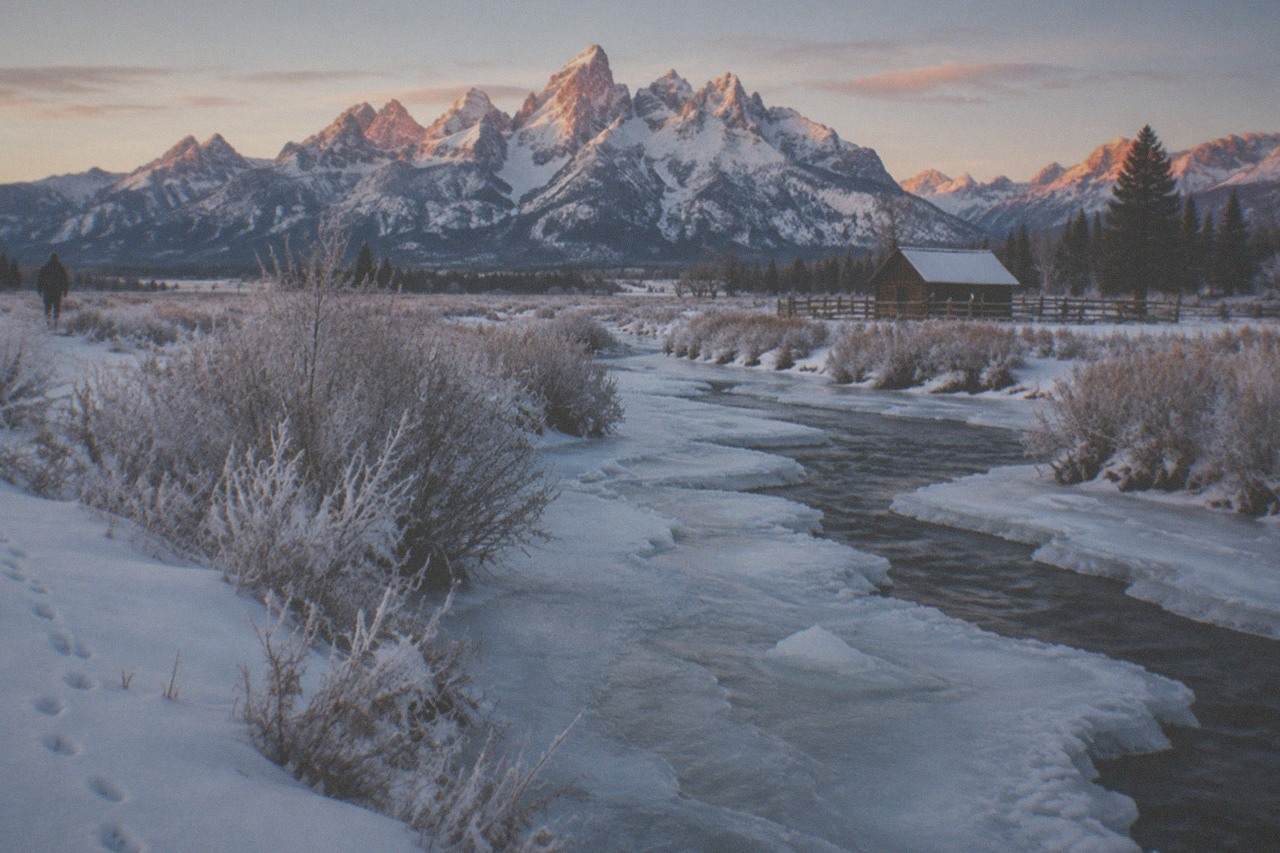
Winter splits the two most famous parks of the Greater Yellowstone Ecosystem into almost opposite experiences. Yellowstone, the world's first national park and by far the larger at 3,472 square miles, closes most of its interior roads to regular vehicles from early November and reopens them only to oversnow travel, guided snowmobiles and snowcoaches, from mid-December to mid-March. Grand Teton, directly to the south, keeps its main valley highway plowed and open to ordinary cars all winter. That single difference in road policy shapes nearly everything else about the choice: what you can see, what a guided snowmobile tour is for, how much a trip costs, and which kind of traveler each park rewards.
The short answer is that Yellowstone is the destination if you want thermal wonders, bison in the snow, and the bucket-list feeling of reaching Old Faithful in a landscape most people never see, and it is the park where a guided winter tour is essentially mandatory for the interior. Grand Teton is the pick if you want dramatic mountain scenery with the freedom of your own car, lower trip costs, and quicker access from the town of Jackson. This guide breaks the comparison down by access, sights, tours, wildlife and cost so you can decide, and it points to the few tours that genuinely cover both parks.
Yellowstone Or Grand Teton: Which For A Winter Trip?
The honest answer depends on roads. In winter Yellowstone's interior is reachable only by guided snowmobile or snowcoach, mid-December to mid-March, so a Yellowstone trip means booking a tour, while Grand Teton plows its main highway all winter, so you can self-drive its scenery in a rental car. Yellowstone rewards you with geysers, frozen canyons and bison herds; Grand Teton with the sharpest mountain skyline in the region and easier logistics.
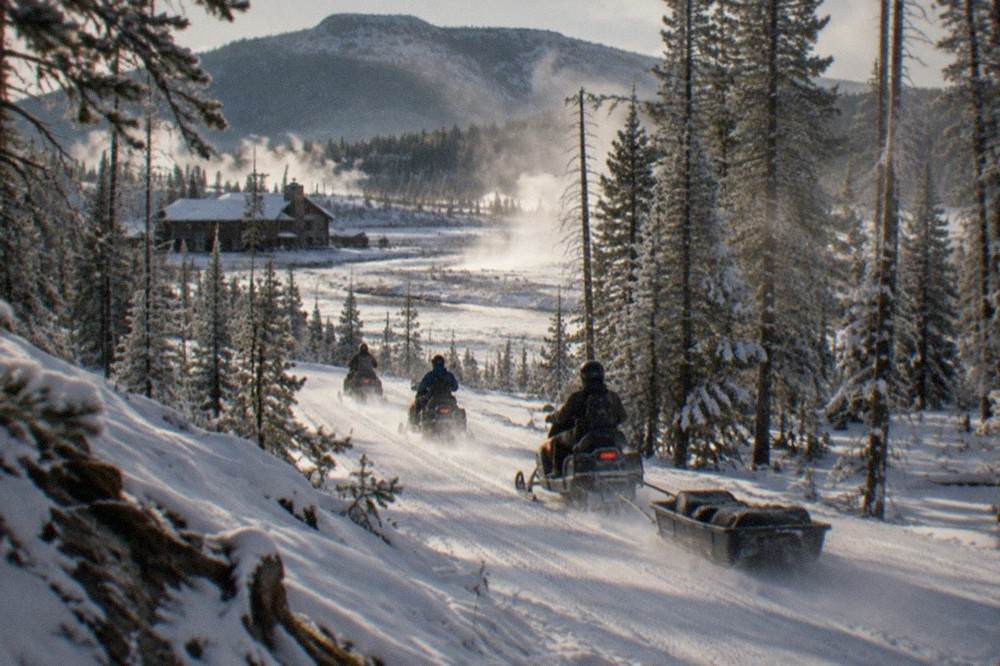
Start with what winter actually does to each park, because the contrast is sharper than most first-time visitors expect. In Yellowstone, once enough snow accumulates, usually by mid-December, the interior road network becomes oversnow-only. The National Park Service states plainly that most park roads are open to limited snowmobile and snowcoach travel from mid-December to mid-March, and that commercially guided tours are the primary way winter visitors reach Old Faithful, the Grand Canyon of the Yellowstone and the other interior sights. The sole exception is the North Entrance to Northeast Entrance road from Gardiner through Mammoth, Tower and Lamar Valley to Cooke City, which stays open to regular cars year-round.
Grand Teton inverts that arrangement. Its main valley highway, US 89/191/26/287 from Jackson north toward Flagg Ranch near Yellowstone's South Entrance, is plowed and open through the winter. Some inner roads close to vehicles from November through April, and several are groomed for skiing and snowshoeing instead, but the core scenic drive stays available. A visitor in an ordinary sedan can watch the Teton range at sunrise, stop at wildlife pullouts, and be back in Jackson for lunch, something no Yellowstone interior road permits in winter.
The decision point is therefore less "which park is prettier" and more "do you want to self-drive or ride into a closed winter landscape." A guided snowmobile tour of Yellowstone exists precisely because of that road closure: it is the mechanism, not an optional extra. Grand Teton, by contrast, needs no oversnow transport to be enjoyed, though snowmobile tours on the national forest nearby add a different kind of day.
If the thought of choosing one park feels like a loss, one itinerary sidesteps the choice entirely: a four-day guided winter tour from Jackson that covers both. The rest of this comparison assumes you are weighing the parks against each other, but it is worth knowing the combined option exists before ruling anything out.
How Winter Road Access Differs Between The Two Parks
Road access is the whole comparison. Yellowstone closes its interior to cars from early November and allows only guided oversnow travel from mid-December to mid-March, while Grand Teton plows its main valley highway all winter, making it a self-drive park. The practical result: Yellowstone winter trips are tour-based by design, Grand Teton trips are car-based by default.
The distinction comes straight from the official road policy. Yellowstone's park roads page and winter-access pages describe the oversnow season as the replacement for automobile access on interior routes, with staggered closures in March and openings in mid-December, weather permitting. The NPS page on riding a snowmobile or snowcoach in Yellowstone explains that guided commercial tours and a small lottery-based non-commercial permit program are the only legal ways to snowmobile inside the park. For a winter traveler without a permit, a guided tour is not one option among several; it is the option.
Grand Teton's road posture is documented on its own NPS road page: the valley highway stays open year-round, while Teton Park Road between Taggart Lake Trailhead and Signal Mountain Lodge and sections of Moose-Wilson Road close to vehicles from November 1 to April 30, reopening as groomed ski and snowshoe terrain. That closure pattern gives Grand Teton a winter personality built around quiet human-powered travel on closed roads plus easy car touring on the open one.
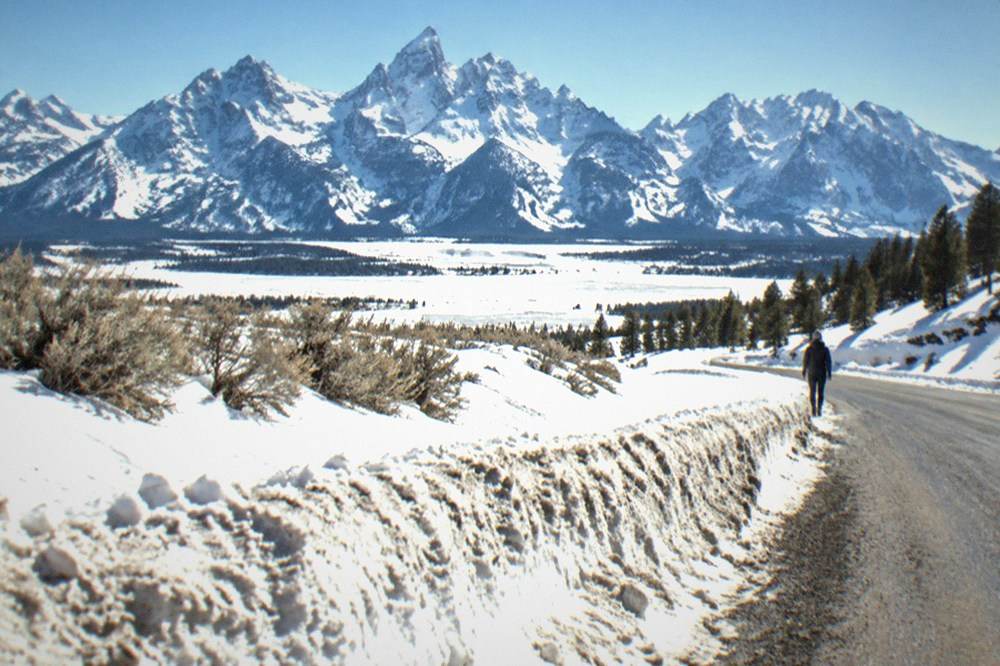
For trip planning, this means the two parks demand different structures. A Yellowstone winter day is a booked event: pickup, outfitting, a guided ride, and a return, typically ten to twelve hours door to door on the full-day interior routes. A Grand Teton winter day is whatever you make of daylight, a car, and a pair of binoculars, with optional guided add-ons such as a snowmobile tour in the surrounding Bridger-Teton National Forest for those who want engine time without park complications.
The table below compresses the logistics gap:
| Winter factor | Yellowstone | Grand Teton |
|---|---|---|
| Interior road status | Closed to cars; oversnow only, mid-December to mid-March | Main valley highway plowed year-round |
| How to reach marquee sights | Guided snowmobile or snowcoach tour | Personal vehicle on the open highway |
| Year-round car road | North Entrance to Northeast Entrance (Gardiner to Cooke City) only | US 89/191/26/287 valley corridor |
| Typical winter day structure | Booked full-day guided tour | Self-drive touring plus optional activities |
| Nearest airport | Bozeman (BZN) for the west side; Jackson (JAC) for the south | Jackson Hole (JAC) |
One planning note worth flagging: oversnow entrance hours in Yellowstone run 7 a.m. to 9 p.m. daily, except the East and South Entrances, which open at 8 a.m., which is why in-park tours departing from the Jackson area run so long; the pickup happens before dawn. Details like that, plus the fact that the two Scenic Safaris in-park snowmobile and snowcoach products on this roster depart with hotel pickup in the Jackson area and enter via the South Entrance rather than from West Yellowstone, shape which gateway town makes sense as your base. The comparison between the towns themselves is covered in the guide to Jackson Hole and West Yellowstone as winter tour bases.
What You Can Actually See In Each Park In Winter
Yellowstone's winter sights are geothermal and geological: Old Faithful erupting roughly every 90 to 102 minutes into subzero air, the frozen Lower Falls of the Grand Canyon of the Yellowstone, and bison steaming around thermal basins. Grand Teton's winter sights are scenic and wildlife-based: the Teton range, the Snake River, and elk and moose along the valley floor, all viewable from a car window.
The winter Old Faithful experience is the single strongest argument for Yellowstone. The National Park Service reports a median eruption interval of about 102 minutes plus or minus 10, with a range of roughly 54 to 118 minutes, which is frequent enough that full-day guided tours plan a stop around the predicted window. Watching an eruption in winter means a geyser column against a snow-covered geyser basin with a fraction of the summer crowd, with historical NPS data showing the deepest winter months at well under one percent of annual visitation. Whether you can reliably catch an eruption in winter, and how tours time it, is covered in detail in seeing Old Faithful erupt in winter.
Grand Teton's answer is not geysers but geometry. The Teton range rises without foothills from the valley floor, and in winter, with the valley highway open, the entire wall of peaks is a windshield attraction. The Snake River braids through the valley, and winter wildlife, elk concentrated on feedgrounds and winter range, moose in willow bottoms, trumpeter swans on open river channels, is visible from pullouts. It is a photographer's park more than a geologist's park.
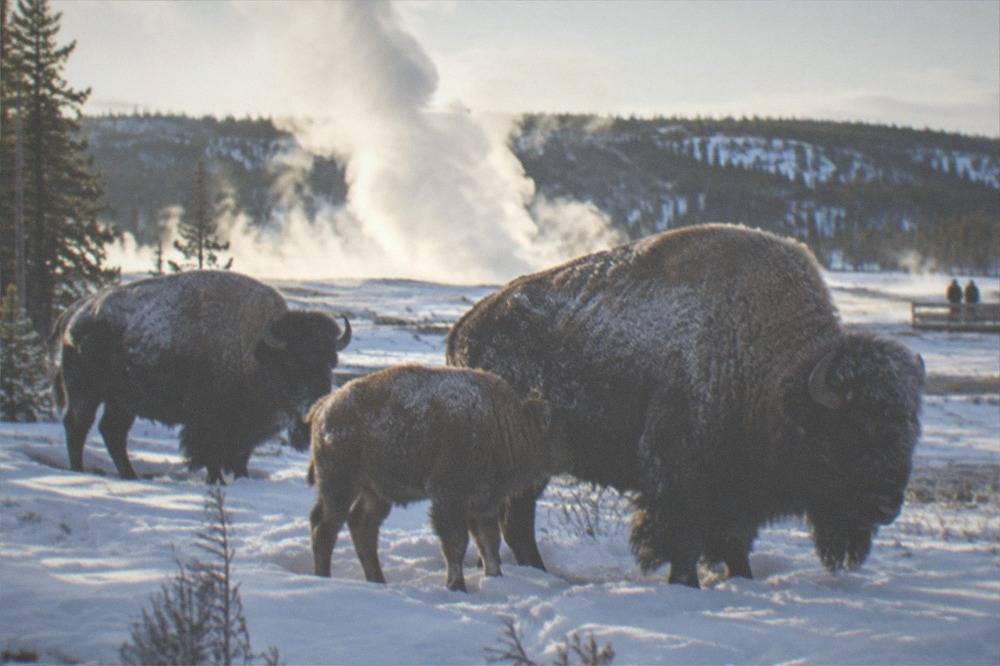
The wildlife comparison tilts differently depending on what you want to see. Yellowstone's winter interior tours pass bison using the groomed roads themselves, plus wolves, elk, bighorn sheep, coyotes, foxes and swans along routes such as the Firehole and Hayden corridors. The Lamar Valley wolf-watching world, reachable by car on the one open Yellowstone road, is the exception where Yellowstone offers drive-up wildlife. Grand Teton's wildlife is easier to reach but less dramatic in scale: no bison herds in the tens, though the elk and moose viewing is genuinely good and the NPS elk refuge sleigh rides (a separate activity outside the parks) sit just outside Jackson.
For a deeper look at the Yellowstone side of that ledger, the winter wildlife you might see in Yellowstone rundown covers species by route; a combined four-day itinerary is one of the few ways to sample both parks' wildlife in one trip, which is exactly what the BrushBuck multi-day tour from this roster is built around.
Which Park Has The Better Winter Tour Options?
Yellowstone has the stronger guided-tour lineup because guiding is the only way in: full-day snowmobile tours to Old Faithful and snowcoach tours to the same basin are well-established products. Grand Teton's tour market is thinner in-park but rich nearby, with national forest snowmobile tours out of the Jackson Hole area. The two parks' tour scenes serve different travelers.
On the Yellowstone side, the flagship product on this roster is the Old Faithful full-day snowmobile tour from the Jackson area, run by Scenic Safaris: roughly ten to twelve hours, rated 4.6 across 338 reviews, from $475, with hotel pickup in the Jackson, Wyoming area and entry through the South Entrance. The sibling Grand Canyon of the Yellowstone snowmobile day covers the park's east-interior route on the same logistics, and a snowcoach version (from $450, rated 4.8 across 227 reviews) runs the Old Faithful route in a heated vehicle for riders who want the interior without driving a sled. Two of those Scenic Safaris products showed a seasonal "product unavailable" message on a direct listing recheck in the September off-season, so winter planners should confirm current availability on the live listings rather than assuming every date is bookable.
The snowcoach-versus-snowmobile question inside Yellowstone, and who each format suits, is covered in full in the guide to Yellowstone snowcoach tours; the short version is that the coach trades wind, cold and control for warmth and photography windows, while the sled trades comfort for the experience of riding.
On the Grand Teton side, in-park guided oversnow touring barely exists because the park does not need it. The action is in the Bridger-Teton National Forest around Jackson Hole and Moran, where several operators on this roster run tours: a roughly three-hour Bridger-Teton guided snowmobile tour from $350 (rated 4.7 across 87 reviews), a full-day Grand Teton-area snowmobile tour from $550, and a shorter four-hour Jackson Hole snowmobile trip from $360. These are forest and valley rides, not national park interior rides, and honest copy keeps that line clear: a Grand Teton-area snowmobile tour runs outside Yellowstone's boundaries even though the Teton skyline is in view.
Then there is the hybrid: a four-day guided winter tour from Jackson, from $2089, that stitches Grand Teton and Yellowstone into one itinerary with wildlife guiding throughout. Its review pool is small, nine reviews, so this site makes no rating claim for it, but the structure is what makes it interesting for the "which park" question: it is the only roster product that answers "both."
For a rider whose heart is set on the Teton side but who still wants a full day of engine time, the full-day Grand Teton-area snowmobile tour above is the strongest single-day expression of that preference, meeting at Moran near the Buffalo Valley Cafe and running about five hours.
What Each Park Costs In Winter
Grand Teton is the cheaper park to visit in winter for the simple reason that you can see it from your own car, while Yellowstone's costs are built around a booked tour, and this roster's real prices run from $300 for a national forest snowmobile day to $2089 for the four-day two-park itinerary. A guided in-park Yellowstone snowmobile day starts at $475 on this roster, with the snowcoach from $450.
The fee side of the comparison is real but small. A standard seven-day Yellowstone entrance pass runs $20 to $35 depending on vehicle type, with snowmobile entry at $30 per sled, and non-US residents 16 and older pay an additional $100 per person unless they hold a qualifying pass. The full fee breakdown, including how passes apply differently on a snowmobile versus a snowcoach, is laid out in the guide on what a Yellowstone snowmobile tour costs.
The bigger cost difference is the tour structure itself. A Yellowstone interior winter day is a purchased product; even the self-guided route, the lottery-based non-commercial permit program, costs $40 per day plus a $6 application fee and requires winners to supply their own BAT-standard machines and take a certification course. A Grand Teton winter day can be effectively free apart from lodging and a car, with the region's free winter activities, from the Jackson town square to sledding hills, adding zero-cost days; that budget angle is covered in the rundown of free things to do in Jackson Hole in winter.
How Cold, Crowds And Trip Length Compare
Both parks are cold, but Yellowstone's interior is colder at higher elevation and demands tour-grade gear, with winter daytime temperatures of 0°F to 20°F and sub-zero nights; Grand Teton's valley is similar on paper but you can retreat to a warm car at will. Yellowstone winter visits are dramatically uncrowded, under one percent of annual visitation in the deepest months; Grand Teton's car-accessible winter corridor sees quiet pullouts but a busier town base.
The temperature figures come from the NPS winter pages: daytime highs near 20 to 30°F and nighttime lows to well below zero, with a record of -66°F set in the Yellowstone region in 1933. The practical difference is exposure. On a guided snowmobile tour of Yellowstone you are out in that air for hours at a time, dressed in a provided insulated suit, boots and helmet; on a Grand Teton driving day you step out at overlooks and step back into heat. Operators supply the outer gear on guided tours, and the packing guidance for the Yellowstone side is collected in the site's what to wear snowmobiling in Yellowstone guide.
Crowds tilt toward solitude in both parks relative to summer, which is the winter season's shared selling point. Yellowstone's quietest winter months have historically drawn well under one percent of annual visitation each, per NPS statistics, while the summer months carry the overwhelming share of the year's total. Grand Teton's winter numbers are similarly low park-wide, though the town of Jackson itself is a functioning ski-town winter destination, livelier than any Yellowstone gateway in February.
Trip length is where the two parks genuinely differ in what they demand. Yellowstone's interior deserves, at minimum, one full guided day, and a relaxed first winter visit is better served by three or more days when you account for weather and travel; the reasoning is laid out in the site's guide to how many days you need for a Yellowstone winter trip. Grand Teton can deliver a satisfying taste in a single day of scenic driving plus one activity. The four-day combined tour exists precisely because the two-park itinerary done well, independently, needs about that much time.
Which Park Should You Choose?
Choose Yellowstone for geysers, canyons, bison and the once-in-a-lifetime closed-park winter experience, accepting that a guided tour is the entry ticket. Choose Grand Teton for self-drive freedom, the Teton skyline, lower costs and a Jackson base, accepting that its tour scene lives mostly outside the park boundary. Travelers who cannot choose should book the four-day itinerary that covers both, or base in Jackson and split the week.
A useful tiebreaker test: imagine your favorite photo from the trip. If it is a geyser erupting into still, freezing air with bison in the foreground, Yellowstone is your park, and the guided snowmobile or snowcoach day is the whole point of going. If it is the Teton range catching first light above a river you reached in your own car, Grand Teton wins, and no tour obligation stands between you and it.
Base towns follow from the park choice. A Yellowstone interior trip from the south pairs naturally with a Jackson base, since the in-park Scenic Safaris tours on this roster pick up at Jackson-area hotels and run through the South Entrance; the west-side alternative, West Yellowstone, is the traditional snowmobiling hub with its own operator ecosystem. That town-level tradeoff is argued out in the site's Jackson Hole versus West Yellowstone comparison. Grand Teton trips simply base in Jackson, full stop.
And for the traveler whose answer to "which park" is a shrug, the four-day Grand Teton and Yellowstone winter tour from $2089, meeting in Jackson, is the roster's honest answer: both parks, guided, wildlife focus, one booking.
Between the two extremes, most winter travelers land on one of three itineraries: a single guided Yellowstone interior day based wherever pickup is offered, a Grand Teton self-drive couple of days with one forest snowmobile tour bolted on, or the four-day combined trip. The Old Faithful snowmobile day below is the strongest single-day Yellowstone interior option on this roster, and it pairs with the Grand Teton-area day above if you want to sample both parks' touring styles without committing to four days.
One closing thought from the site that publishes this comparison: Yellowstone Snowmobile Tours exists because the winter road closures make guided access the story of Yellowstone's interior season, and Grand Teton's winter story is the opposite, an open road. Neither is the better park; they are two different answers to winter, and the strongest winter trips in the region are the ones that respect which answer each park is giving.
Common Questions About Yellowstone Versus Grand Teton Winter Trips
Yellowstone or Grand Teton: Which for a Winter Trip?
Choose Yellowstone if you want geysers, the ice-lined Grand Canyon of the Yellowstone and bison in deep snow, and accept that the interior is reachable only by guided snowmobile or snowcoach from mid-December to mid-March. Choose Grand Teton if you want the Teton skyline, self-drive freedom on a plowed year-round highway and easier, cheaper logistics from Jackson. A four-day guided itinerary from $2089 covers both parks if you cannot choose.
Can you drive through Grand Teton in winter?
Yes. The main valley highway, US 89/191/26/287 from Jackson north toward Flagg Ranch, stays plowed and open to regular vehicles year-round. Inner roads such as Teton Park Road between Taggart Lake Trailhead and Signal Mountain Lodge close to vehicles from November 1 to April 30 and are groomed for skiing and snowshoeing instead.
Can you drive to Old Faithful in winter?
No. Most Yellowstone interior roads close to regular vehicles in early November and reopen only to guided oversnow travel, snowmobiles and snowcoaches, from mid-December to mid-March. The only year-round car road is the North Entrance to Northeast Entrance corridor from Gardiner to Cooke City, which does not reach Old Faithful. A guided tour is how winter visitors get there.
Are the two parks close enough to visit both on one trip?
Yes, they share a border and Jackson is the natural base for both. Guided Yellowstone interior tours departing from the Jackson area run roughly ten to twelve hours, so most travelers alternate park days rather than rushing both in one day. A four-day guided tour from $2089 is the roster's purpose-built way to combine them.
Which park is cheaper in winter?
Grand Teton, generally, because its main sights are viewable from your own car. Yellowstone winter costs center on a booked guided tour: the in-park snowmobile day on this roster starts at $475 and the snowcoach from $450, plus park entry of $20 to $35 for a standard pass or $30 per snowmobile. National forest snowmobile tours in the Jackson Hole area start at $300 on this roster.
Which park has better winter wildlife viewing?
Yellowstone for scale and drama: winter interior tours pass bison herds, wolves, elk and bighorn sheep, and the plowed Gardiner-to-Cooke City road offers drive-up wildlife in Lamar Valley. Grand Teton offers strong elk and moose viewing along the valley highway plus trumpeter swans on open river channels, all from pullouts, but nothing on bison-herd or wolf-watch scale.