How Cold Does Yellowstone Get In Winter? What It Feels Like On A Snowmobile
Yellowstone winter temperatures, wind chill on a moving snowmobile, and what guided tour operators supply so riders stay warm on the way to Old Faithful.
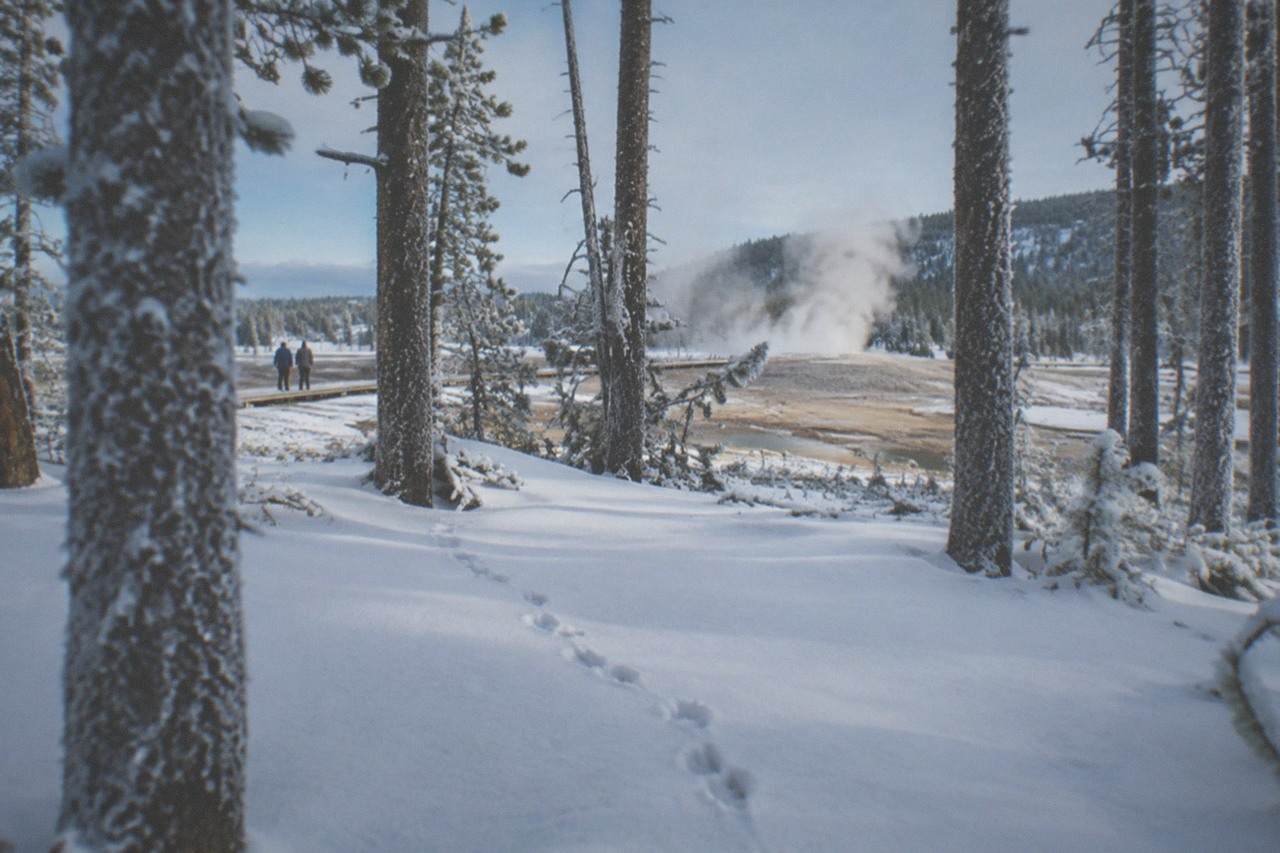
How Cold Does Yellowstone Get In Winter? What It Feels Like On A Snowmobile
Yellowstone's winter days typically run 0°F to 20°F, with average highs of 20–30°F and average lows of 0–9°F, and sub-zero readings common at night and at higher elevations. On a snowmobile moving 30 to 40 miles per hour, wind chill strips far more heat from exposed skin than the thermometer suggests, which is why the guided snowmobile tour operators supply full insulated suits, helmets, boots, and mittens.
The park sits at high elevation across a volcanic plateau, so its winter is less a season than a condition. The National Park Service describes winter daytime temperatures of zero to 20°F with sub-zero nights as normal, not exceptional, and the park's winter ecology page puts average highs at 20–30°F and average lows at 0–9°F. The coldest reading ever recorded in the park is -66°F at the Riverside Ranger Station, a mark set in February 1933 that still stands as the record. None of that keeps people away. It simply means that cold, and the management of it, defines every winter trip into the interior.
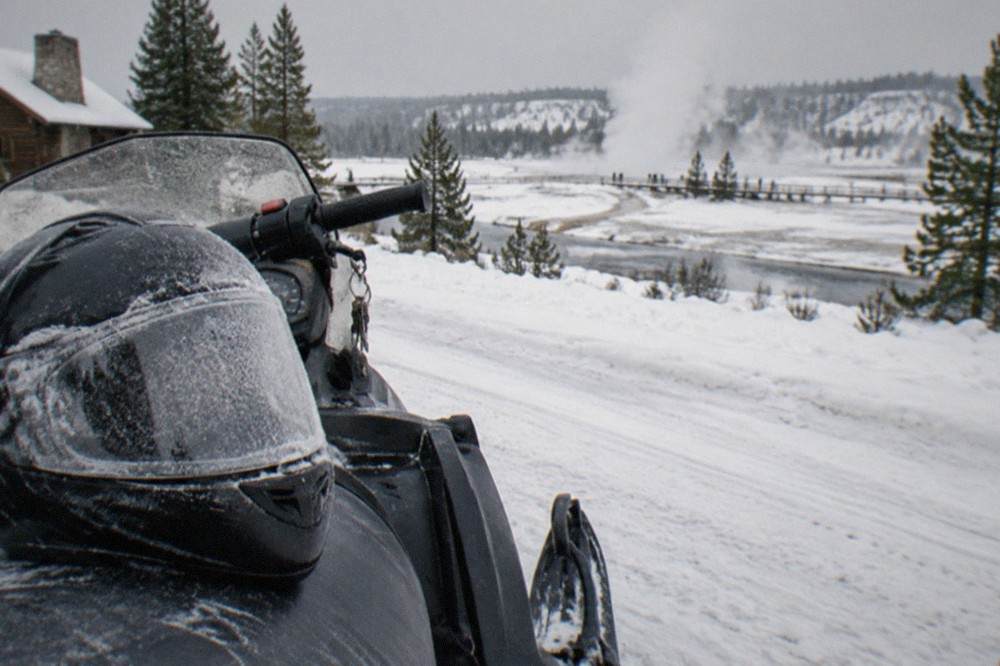
For snowmobilers the question is not really "how cold is it" but "how cold does it feel at speed." A guided snowmobile tour into Yellowstone's interior covers 45 to 90 or more miles of groomed road in a day, and the machine between your knees is generating its own weather the entire time. Air that reads a manageable 15°F in the parking lot feels dramatically sharper when you add 30 mph of relative wind across your face and any gap in your collar.
The good news, and the reason thousands of riders do this every winter, is that the cold is a solved problem. Commercial operators are required to run NPS-compliant equipment and, in practice, they outfit their guests far beyond what a casual visitor would pack. The sections below walk through the real numbers, the wind chill math, and exactly what a guided tour hands you before you ride.
What The Thermometer Actually Reads In A Yellowstone Winter
Official NPS figures put winter daytime temperatures at 0°F to 20°F, average highs at 20–30°F, and average lows at 0–9°F, with sub-zero conditions common at night and at higher elevations. The all-time park record low is -66°F, recorded at Riverside Ranger Station in February 1933. Snowmobile season runs mid-December through mid-March, the coldest stretch of the year.
The oversnow season, the window in which snowmobile and snowcoach tours operate on the park's groomed interior roads, runs from mid-December to mid-March, and those three months are the heart of Yellowstone's cold. Daytime readings in the interior valleys often sit in the teens, and on clear, calm mornings they can start near zero. Night is a different story: the same clear skies that make a beautiful riding day pump heat out of the plateau overnight, and the park's higher terrain runs colder than the geyser basins. The NPS winter safety guidance is blunt about the range, noting highs that approach 30°F and lows that can reach -30°F, and it recommends windproof outer layers over wool or synthetic insulation, with no cotton anywhere in the system.
Here is how the verified temperature picture stacks up across sources, all of them official:
| Figure | Value | Source context |
|---|---|---|
| Typical winter daytime range | 0°F to 20°F | NPS visiting-in-winter guidance |
| Average winter highs | 20–30°F (-6 to -1°C) | NPS winter ecology page |
| Average winter lows | 0–9°F (-17 to -13°C) | NPS winter ecology page |
| Possible nighttime lows | down to -30°F | NPS winter safety page |
| All-time park record low | -66°F, February 1933 | Riverside Ranger Station |
One point worth holding onto: those numbers describe the air, not the experience. A 10°F morning with sunshine and no wind, spent standing at the edge of the Upper Geyser Basin watching steam columns rise, is genuinely pleasant in the right clothing. The same 10°F at 35 mph on an open sled is a different animal entirely, and that is the transition every rider makes within the first hour of a tour. The gap between the two is where tour operators earn their keep, and it is why the outfitting step of a guided snowmobile tour, the part where you get handed a pile of gear, matters as much as the route.
It also explains why tour itineraries look the way they do. Full-day trips into the interior are built around a rhythm of riding and warming: stops at thermal basins, a lunch stop at Old Faithful where buildings and boardwalks give bodies a chance to recover, then a return leg in the warmer part of the afternoon. Riders on the route from the South Entrance toward Old Faithful see Moose Falls, West Thumb, and the Firehole Valley on a schedule designed partly around the physics of heat loss.
Why A Moving Snowmobile Feels Far Colder Than The Air Temperature
Wind chill, not air temperature, is what a snowmobile rider actually experiences. At an air temperature of 15°F, a 30 mph sled speed produces a wind chill around 1°F; at 5°F air, the same speed feels near -12°F, and any exposed skin is at risk within minutes. Every degree of speed makes it worse, which is why full-face helmets, balaclavas, and sealed collars are standard on guided tours.
The math is unforgiving. Relative wind on a snowmobile equals your riding speed, so every mile per hour you add strips heat from exposed skin faster. A calm 15°F day that feels brisk on the boardwalk becomes something close to zero on the sled at highway-adjacent speeds, and a genuinely cold 0°F morning at speed pushes felt temperatures into territory where frostbite times are measured in tens of minutes. The NPS oversnow logistics guidance treats this seriously even for short trips: its recommended kit lists not just suits and helmets but chemical heat packs, goggles, a balaclava or neck gaiter, and spare clothing layers, because conditions on a moving machine change faster than a rider can respond to them.
Practically, the cold on a snowmobile concentrates in a handful of places: the face, especially the cheeks and the gap between a helmet's chin curtain and a goggle band; the hands, because they are static on the grips and receive none of the blood flow that movement generates; the feet, for the same reason; and any waist or wrist gap where moving air finds its way inside a suit. Riders who arrive with a good base layer and a sealed outer shell rarely report problems. Riders who arrive in jeans and a ski jacket, and every operator has stories, spend the day fighting the machine instead of enjoying the park.
There is a psychological component too. Cold that you cannot do anything about feels colder than cold you can manage. On a self-guided rental in the national forest, the rider is the mechanic, the navigator, and the weather service. On a commercially guided snowmobile tour, the guide watches the group for cold signals, sets the pace, chooses the stops, and adjusts the day when the wind picks up. That division of labor is a real warmth benefit, and it is one reason the guided format is the only format allowed inside Yellowstone's winter interior.
What Guided Tour Operators Provide Against The Cold
Guided snowmobile tour operators supply the heavy outer gear: a two-piece insulated snowmobile suit, insulated boots with removable liners, a full-face helmet, and leather mittens are the standard kit on interior tours. Riders bring their own base and mid layers, socks, neck gaiter, glove liners, and goggles. Together, the provided and personal layers handle every temperature Yellowstone's winter normally produces.
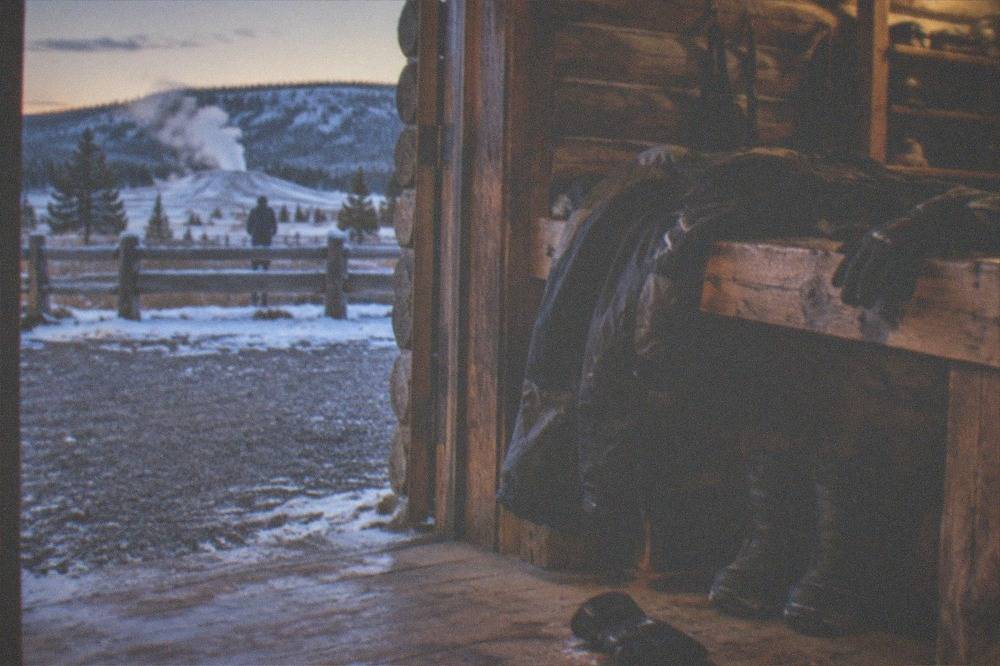
The outfitting step happens before the ride, at the entrance or the staging lodge, and it is more thorough than most first-time riders expect. Industry-standard provision for a winter interior tour, documented in operator preparation guidance, includes a two-piece insulated snowmobile suit (jacket and bib), Baffin-style snow boots with removable liners, a full-face helmet, and heavy leather mittens. That is the shell. What the operator cannot provide is what goes underneath: moisture-wicking base layers, wool or synthetic mid-layers, one pair of heavy wool socks, and the small personal items that make the difference between comfortable and merely survivable. Cotton is the universal enemy here, because it holds sweat and loses its insulating value when damp.
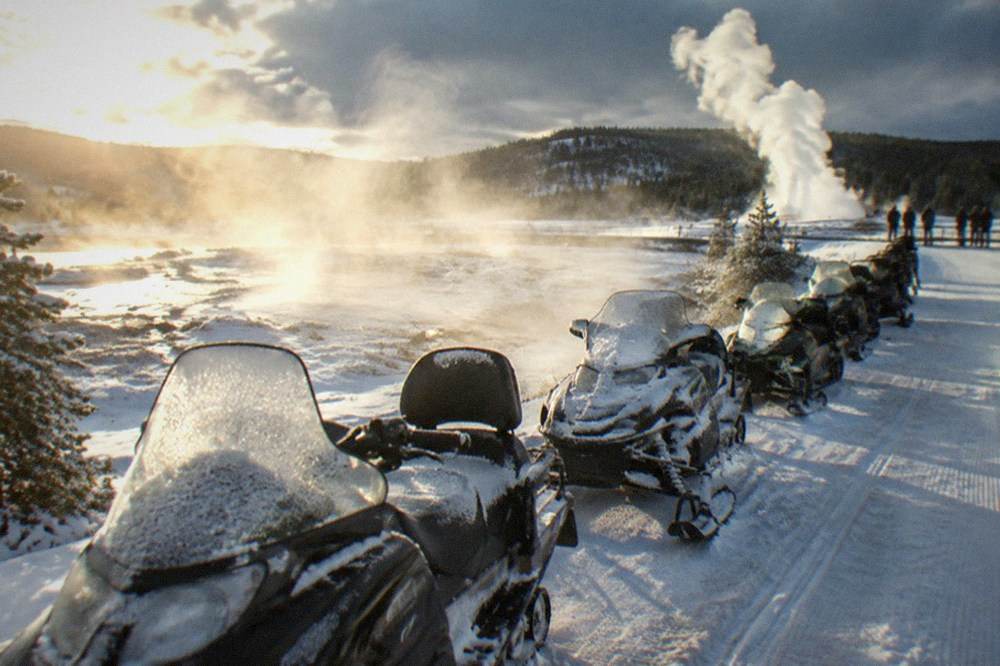
The typical split of responsibility looks like this:
| Layer or item | Operator provides | Rider brings |
|---|---|---|
| Outer suit | Insulated 2-piece jacket and bib | Nothing |
| Footwear | Insulated boots with liners | Heavy wool or synthetic socks |
| Head | Full-face helmet | Balaclava or neck gaiter |
| Hands | Leather mittens | Glove liners, hand warmers |
| Body base and mid | Not provided | Wicking base layer, wool or fleece mid layer |
| Eyes | Helmet | Goggles or sunglasses |
On the in-park side of the ledger, the Yellowstone Old Faithful full-day snowmobile tour from Jackson Hole is the clearest example. It runs roughly 10 to 12 hours door to door with hotel pickup in the Jackson, Wyoming area, is rated 4.6 across 338 reviews, and costs from $475. The listing describes a full outfitting stop before the sleds reach the groomed road, which matters on a day that long: twelve hours in winter air is a very different proposition from three, and the provided suit is the piece of equipment that makes it work. For travelers who want the interior sights without the wind exposure at all, the snowcoach alternative covers similar ground in a heated vehicle; the Old Faithful snowcoach version is rated 4.8 across 227 reviews and costs from $450, and its availability for the coming season should be confirmed on the live listing before you build a trip around it.
Riders who want snowmobiling but a shorter, milder dose of cold have real options too, just not inside the park. The Bridger-Teton guided snowmobile tour near Yellowstone, running about three hours from the Jackson Hole area, is rated 4.7 across 87 reviews and costs from $350, and it delivers forest trail riding and mountain scenery without a twelve-hour day in the wind. It is a Jackson Hole tour in the Bridger-Teton National Forest, not a Yellowstone interior trip, but for a family testing how its members handle cold machinery, it is a sensible first run. Our packing guide for a snowmobile tour covers the personal side of the kit list in more detail.
How To Dress For The Ride Beyond The Provided Gear
Bring a moisture-wicking base layer, one or two wool or fleece mid-layers, one pair of heavy wool socks, a neck gaiter or balaclava, glove liners, goggles, and chemical hand warmers. Avoid cotton entirely, keep a spare base layer in the provided bag for the afternoon, and eat and drink before the ride, because fuel and hydration are heat.
The base layer is the single most common failure point. Riders assume the operator's suit does the insulating, and it does, but a suit worn over a cotton t-shirt and sweatpants traps moisture against the skin and the cold finds it within an hour. A synthetic or merino base top and bottom, a fleece or wool mid-layer, and a single pair of heavy wool socks, thick enough to fill the boot without crushing, put the rider in the right position to stay warm for the whole day. The full article on what to wear snowmobiling in Yellowstone walks through the complete system, layer by layer.
Beyond clothing, three habits separate warm riders from cold ones on a full-day guided tour. First, seal every gap before you leave the staging area: goggle band over the balaclava, mittens over sleeve cuffs, collar zipped to the helmet. Wind finds gaps the way water finds holes. Second, use the warm stops deliberately; at Old Faithful and the other basin stops, going inside for even ten minutes resets your hands and feet for the next leg. Third, eat. Digestion generates heat, and a rider who skipped breakfast is a cold rider by lunch. Operators build meal stops into the day for exactly this reason.
One honest note about what cold does and does not cancel: the same weather that makes the park beautiful also makes it uncertain. NPS guidance notes that avalanche danger on the East Entrance road over Sylvan Pass can close that road for hours or days, and no operator refunds for weather. The interior routes from the South and West entrances are far more stable, but deep cold snaps and heavy snowfall can still alter timing. If you are weighing whether a storm might sink your plans, the article on what happens when it snows too much on a tour covers the realistic scenarios. A shorter forest ride is one fallback; the Turpin Meadow snowmobile tour near Yellowstone in the Jackson Hole area runs 5.5 to 9 hours depending on the option, is rated 4.9 across 26 reviews, and costs from $300.
Does The Cold Ever Stop Tours From Running?
Cold alone almost never cancels a Yellowstone snowmobile tour; deep cold is a normal operating condition with gear and warm stops built around it. What does stop tours is snow, wind, and road status: avalanche work on the East Entrance road, heavy storms, and oversnow-road closures. The oversnow season itself runs mid-December through mid-March, with segment closures staggered through early March.
The distinction matters for planning. A 5°F morning with clear skies is, for a properly dressed rider on a guided tour, a spectacular day: steam columns stand taller against cold air, wildlife is concentrated in the valleys, and the geyser basins throw plumes that summer visitors never see. Operators run those days routinely. A 25°F morning with 30 mph wind and falling snow is the day that gets re-routed or rescheduled, because visibility and grooming, not temperature, are the binding constraints. The yellowstone snowmobile season dates guide has the full window and what each entrance's closure schedule looks like.
For riders, the practical takeaway is to book the tour, pack the base layers, and then watch the forecast for wind and snow rather than for temperature alone. The tour operator watches the rest. On the NPS winter ecology page, the temperature ranges that define the season sit next to the wildlife behavior that makes it worth enduring, and a guided snowmobile tour is the bridge between the two: the cold is the price of admission, the outfitting is the ticket, and the interior of Yellowstone in January is the payoff. That is the honest trade this whole site, Yellowstone Snowmobile Tours, is built around.
If you are still comparing formats before you commit, the trio below covers the three most common answers: the full-day snowmobile ride to Old Faithful, the heated snowcoach version of the same route, and a shorter guided sled tour in the Bridger-Teton forest outside the park.
Common Questions About Cold On A Yellowstone Snowmobile Tour
How Cold Does Yellowstone Get in Winter? What It Feels Like on a Snowmobile?
Daytime temperatures typically run 0°F to 20°F, with average highs of 20–30°F and lows of 0–9°F, and sub-zero nights are common. On a moving snowmobile, wind chill pushes the felt temperature 20 to 30 degrees colder than the air reading, so a 15°F day can feel near zero or below at speed. Guided tour operators provide insulated suits, boots, full-face helmets, and mittens, which brings the effective cold back to a manageable level.
How should I dress for a Yellowstone snowmobile tour?
Bring a moisture-wicking synthetic or wool base layer (top and bottom), one or two insulating mid-layers, one pair of heavy wool socks, a balaclava or neck gaiter, glove liners, and goggles. Skip cotton entirely. The operator supplies the insulated suit, boots, helmet, and mittens, so your job is only the layers underneath and the small accessories that seal gaps.
Do tour operators provide warm clothing?
Yes. Interior snowmobile tours typically hand riders a two-piece insulated snowmobile suit, insulated boots with removable liners, a full-face helmet, and leather mittens before the ride starts. Riders bring their own base and mid-layers and socks. This split is standard across commercial operators and is documented in operator preparation guidance.
Can a tour be canceled because it is too cold?
Deep cold by itself almost never cancels a tour, because operators outfit for it and build warm stops into the itinerary. Cancellations and route changes come from heavy snowfall, high wind, avalanche control on the East Entrance road over Sylvan Pass, and oversnow-road closures. Check the operator's weather and cancellation policy when booking.
What is the coldest temperature ever recorded in Yellowstone?
The all-time park record low is -66°F, recorded at the Riverside Ranger Station in February 1933. Typical winter days are far milder, averaging 20–30°F for highs, but the record shows the range the park can reach on clear, still nights.
Does riding at speed make the cold dangerous?
It can be if skin is exposed. Wind chill at snowmobile speeds drops felt temperatures by 20 to 30 degrees, and frostbite times on exposed skin shorten to minutes in those conditions. A full-face helmet, sealed collar, and gauntlet-style mittens eliminate most of the exposure, which is why they are part of the standard operator kit.