Is It Worth Going To Yellowstone In Winter?
Yellowstone in winter brings far fewer crowds, snow-covered geysers, and the only chance to ride a snowmobile past bison and wolves. Here is why a winter trip is worth every layer.
Is It Worth Going To Yellowstone In Winter?
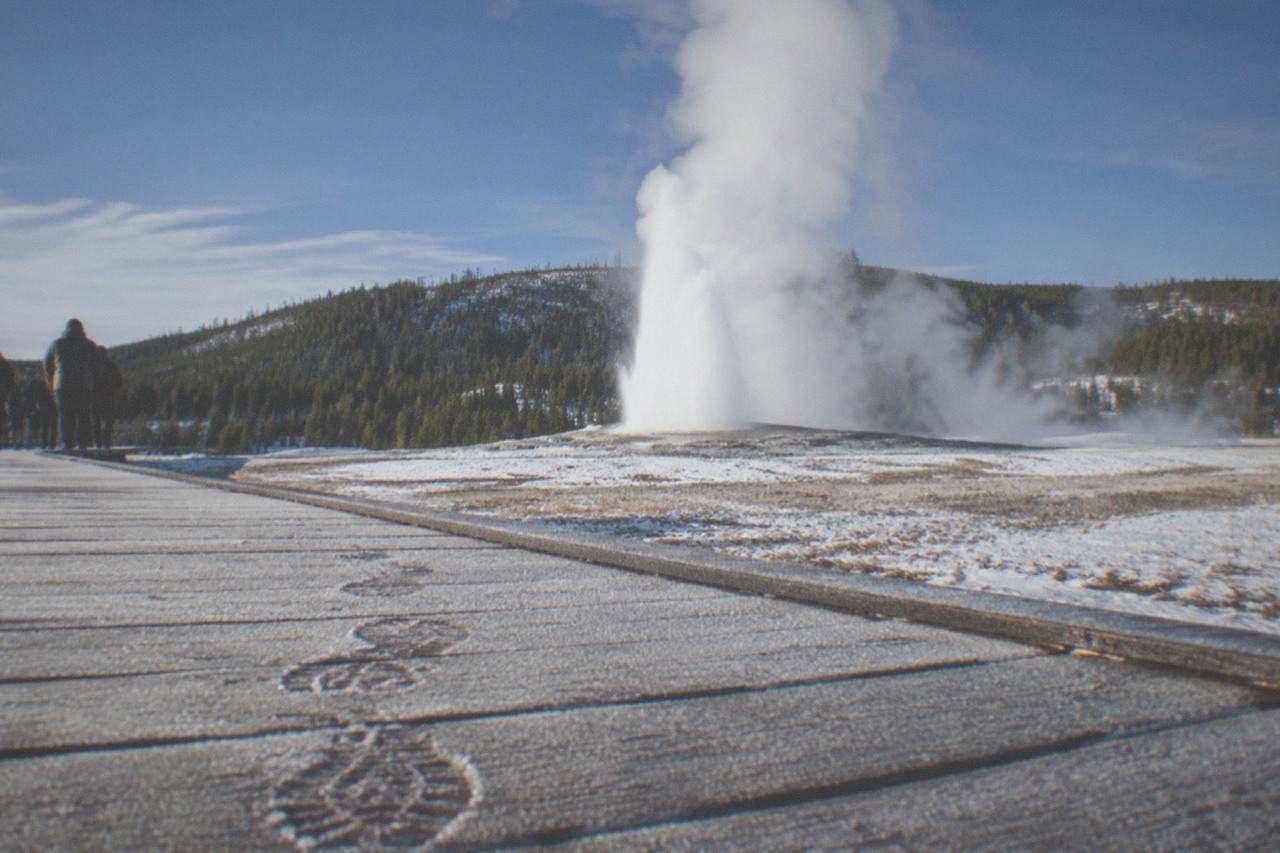
Yes, for anyone who wants to see geysers erupt in steam-filled silence, ride a snowmobile through a snowbound wilderness, and watch bison plow chest-deep powder with only a handful of other visitors around, Yellowstone in winter is absolutely worth it. The catch is that most park roads close to regular cars, so the only way to reach iconic spots like Old Faithful or the Grand Canyon of the Yellowstone is via guided snowmobile or snowcoach tours, and that very restriction is what makes the experience so extraordinary.
Yellowstone's winter season runs from mid-December to mid-March, when the park's interior roads close to private automobiles and open only to oversnow travel. Check the Yellowstone Snowmobile Tours guide to the exact season dates and which roads open when. Instead of bumper-to-bumper traffic and crowded viewing platforms, you get groomed snow-covered roads, a guide who knows where the wolves have been moving, and a front-row seat to geothermal features that look completely different against a backdrop of snow and ice. The cold is real, as detailed in our breakdown of Yellowstone winter temperatures, with daytime highs hovering between zero and 20°F and nighttime temps that can plunge to minus 30°F, but the payoff is a Yellowstone that feels more remote and wild than most visitors ever imagine.
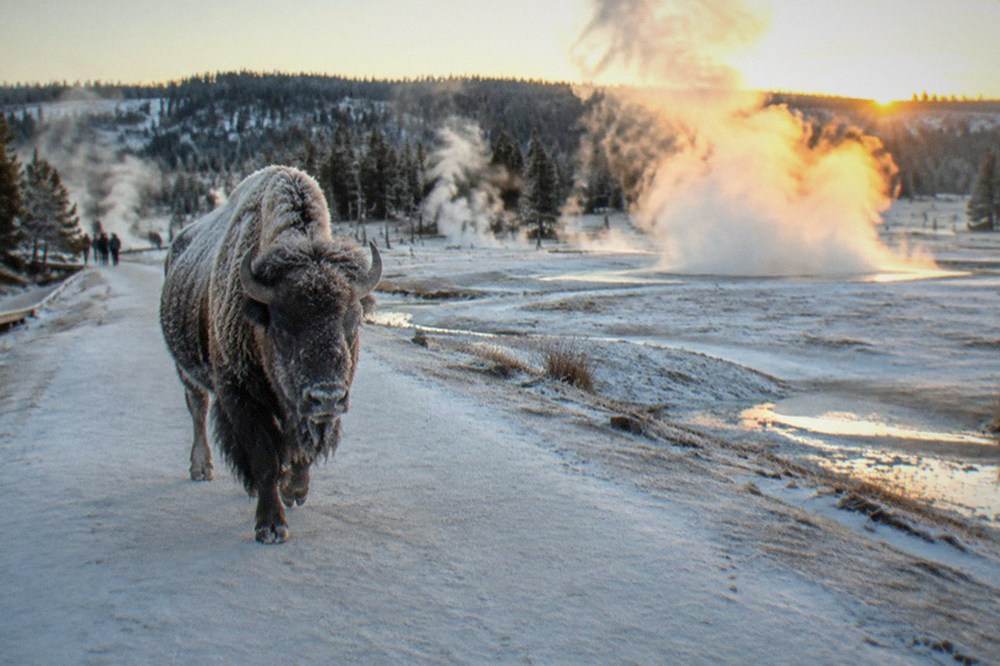
It is also, quite simply, one of the most striking winter landscapes in North America. Bison stand with frost on their coats in the steam of thermal basins. Geysers erupt into air so cold the water crystallizes and falls as frozen mist. And with visitation dropping to less than one percent of the annual total in January, you often have viewpoints and wildlife sightings to yourself. The question isn't really "Is it worth it?" Once you understand what's possible, the real question is how soon you can book a snowmobile tour.
What Makes A Yellowstone Winter Trip Worth It?
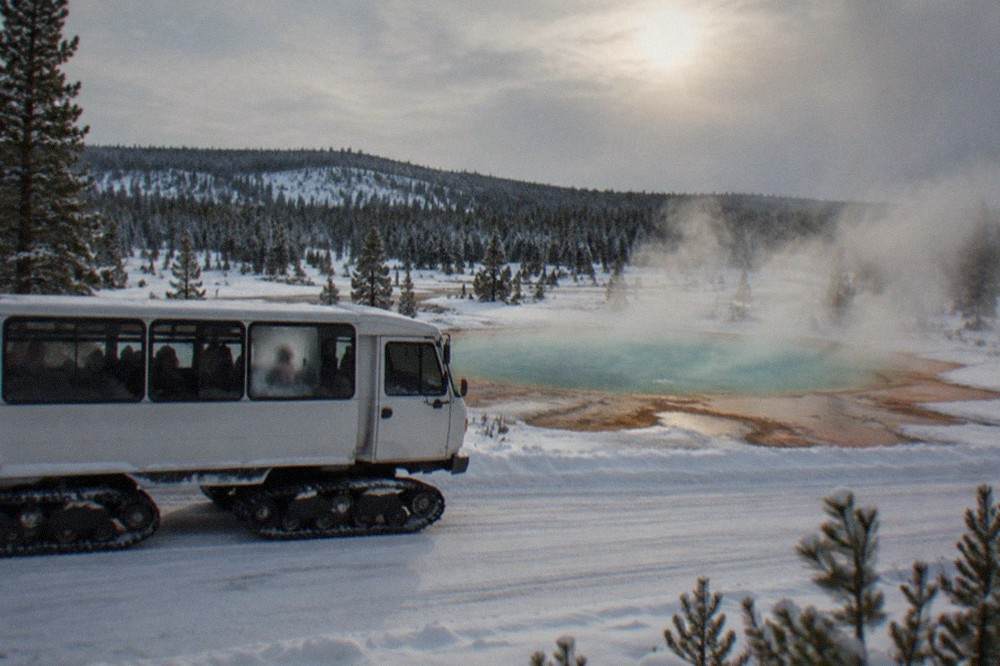
The combination of near-empty thermal basins, reliable wildlife sightings against a white backdrop, and the pure thrill of a snowmobile ride into the park's interior creates a travel experience that simply does not exist in summer, when the roads are open to cars and the boardwalks are packed with thousands of visitors. Guided snowmobile tours are the fastest, most immersive way to cover the park's winter-only groomed road system, and they let you reach places like Old Faithful, the Fountain Paint Pots, and the Grand Canyon of the Yellowstone that would otherwise require a long, cold snowcoach ride or a lottery-based self-guided permit that's nearly impossible to snag.
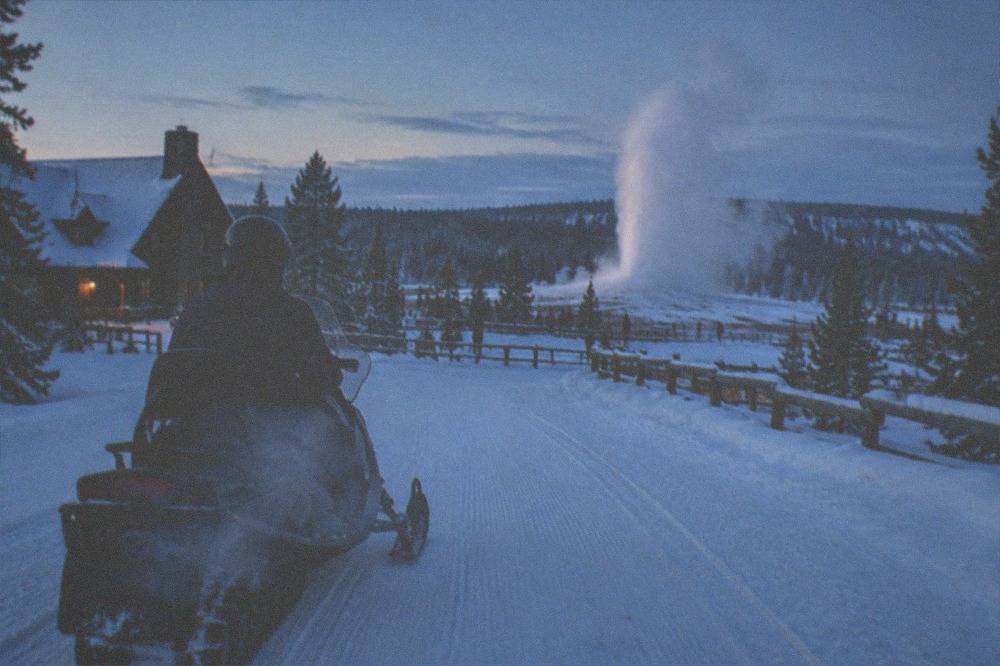
A full-day snowmobile tour from Jackson typically starts with a pre-dawn hotel pickup and van transport to the South Entrance. After a gear fitting and a safety briefing, riders take BAT-compliant snowmobiles onto the groomed roads and immediately start clocking wildlife sightings: bison using the thermal ground to stay warm, elk bedded near the river, and sometimes a wolf pack moving through the distant timber. The ride itself is a key part of the appeal. There's nothing like the quiet hum of a snowmobile on fresh snow, with steam columns from distant geysers visible on the horizon.
Beyond the ride, the stops deliver moments that no summer visitor gets. Old Faithful erupting in sub-zero air throws a frozen plume that catches the low-angle winter light. The Grand Canyon of the Yellowstone's colorful walls are topped with ice and snow, and the Lower Falls sends mist that freezes on nearby rock into blue-green curtains. Because the roads are closed to private cars, the only people you'll encounter are other oversnow travelers. The park's daily cap on non-commercially guided groups keeps even the busiest winter days feeling quiet.
How Few People Actually Visit Yellowstone In Winter?
In a typical January, the entire park sees roughly 28,800 visitors, about three percent of the monthly gate count in July, when crowds regularly top 900,000, and the experience of having the boardwalks nearly to yourself is striking. Those numbers are drawn directly from the National Park Service's visitation statistics, which show January averaging 28,837 visitors across a five-year span, February about 33,088, and March even lower. To put that in perspective, it's not uncommon to have the entire Upper Geyser Basin to yourself for a full eruption cycle.
This radical drop in crowds transforms every aspect of the visit. The boardwalks that are shoulder-to-shoulder in July are quiet enough in January that you can hear your own boots crunch on the snow. Wildlife is not only more visible, it's also less stressed: bison and elk spend more time near the roads, wolves are easier to spot against the snow, and coyotes hunt in the open meadows of the Madison River Valley without the constant pressure of car traffic. For photographers, the absence of other people means clean, unobstructed frames of geyser eruptions and wildlife, and the low-angle winter sun creates soft, diffuse light all day.
The solitude is one of the things returning riders mention most. Winter caps daily entry through the South Entrance to a fixed number of guided groups, so the road that carries thousands of cars a day every summer carries a handful of sleds instead, with long stretches between one group and the next. That kind of experience simply doesn't exist when the park's roads are open to the general public.
What Can You Actually See And Do In Yellowstone In Winter?
The oversnow road system, combined with the year-round open road between Gardiner and Cooke City, gives winter visitors access to all of the park's most famous landmarks: Old Faithful, the Grand Canyon of the Yellowstone, the Norris Geyser Basin, and the Lamar Valley for wolves. The difference is that you'll reach them by guided snowmobile, snowcoach, or cross-country skis instead of your own car.
On a typical full-day snowmobile tour to Old Faithful, the route follows the groomed South Entrance road past Moose Falls, Lewis Canyon, and West Thumb Geyser Basin. At West Thumb, the geysers and hot springs sit right at the edge of frozen Yellowstone Lake, and the contrast of boiling water against the ice is one of the park's most photogenic winter scenes. Continuing north, the group passes the Old Faithful snowmobile tour's standard stops: Fountain Paint Pots, where bubbling mud pits send steam into the air, and the Firehole River, where thermal runoff keeps sections of water open even in deep cold.
Old Faithful itself is the headline act. The NPS reports a median eruption interval of about 102 minutes in recent years, so guided tours time their arrival so that riders can watch an eruption from the snow-covered benches in front of the geyser. Afterward, the Old Faithful Snow Lodge offers a warm place to eat lunch, refill water bottles, and warm hands before the ride back. And during the ride, wildlife encounters are routine: bison frequently walk down the center of the groomed road, bighorn sheep appear on rocky outcroppings near the South Entrance, and coyotes hunt in the meadows along the Firehole River.
How Do Snowmobile Tours Make Winter Worthwhile?
Snowmobile tours unlock the interior of the park in a way that no other winter activity can match: they cut travel time dramatically, let you cover 65 to 90 miles in a single day, and deliver the thrill of piloting your own machine through one of the world's most dramatic landscapes. Unlike a snowcoach, where you're a passenger looking through windows, a snowmobile puts you in the middle of the scenery, with cold wind on your cheeks and an unobstructed view in every direction.
In-park tours from Yellowstone Snowmobile Tours partner operators are the only way to ride a snowmobile past Old Faithful or into the Grand Canyon of the Yellowstone. These are full-day affairs, 10 to 12 hours door to door from Jackson, and they include all the cold-weather gear you need: insulated snowmobile suit, boots, helmet, and mittens. The operator handles every logistical detail, from the park entrance fee to the warming stops, so riders only need to worry about wearing the right base layers and keeping a camera handy. For anyone wondering if the cold makes the trip too uncomfortable, the reality is that the provided gear is remarkably effective, and the frequent stops at geothermal features mean you're constantly stepping into pockets of warm, steam-heated air. Our guide to winter layering and what to wear covers the full packing strategy.
For those who want a shorter, less expensive ride outside the park, the Bridger-Teton National Forest east of Jackson offers a guided snowmobile experience through deep powder and rolling meadows. This is not inside Yellowstone, but it delivers a backcountry feel and is often less than half the price of a park tour.
The choice between an in-park tour and a forest-based ride often comes down to what you're chasing. If geysers, the Grand Canyon, and the sheer scale of Yellowstone's winter interior are the goal, an in-park snowmobile tour is the only answer. If you want to ride a snowmobile without the long van shuttle and the park's speed limits, a Jackson Hole-area tour like the Bridger-Teton guided ride is a great compliment, and many visitors combine both over a multi-day trip.
Is It Too Cold To Enjoy The Park In Winter?
With daytimes highs between 0°F and 20°F and overnight lows that can hit minus 30°F, Yellowstone's winter cold is serious, but the right gear, frequent warming stops, and the fact you're moving on a snowmobile make it far more manageable than the numbers suggest. The National Park Service notes that wind chill on a snowmobile can substantially lower the effective temperature, but guide operators provide helmets with face shields, insulated suits, and heated handlebar grips that blunt the worst of it.
Layering is the key. Operators recommend a moisture-wicking base layer, a thick fleece or wool mid-layer, and then the insulated snowmobile suit they provide. Wool socks, a neck gaiter, and a thin liner glove inside the mittens seal the system. The standard advice, no cotton anywhere because it loses insulating power the moment it gets damp from sweat, is repeated so often by returning riders that it's practically gospel. Many riders report being surprised at how comfortable they stay, especially during the afternoon when the sun peeks above the canyon walls and the air warms into the teens.
There are also built-in warmth breaks. Geyser basins act as natural outdoor heaters: standing next to Old Faithful or on the boardwalks at Fountain Paint Pots, the steam and thermal ground raise the local temperature by ten to twenty degrees. The warming huts at Old Faithful and Canyon provide indoor space to eat, drink, and dry off. And riding a snowmobile itself keeps your core warm from the light physical effort and concentration required; almost nobody reports feeling cold while actually on the machine.
How Many Days Should You Plan For A Yellowstone Winter Trip?
Three full days is the realistic minimum for a meaningful winter visit to Yellowstone, and four to five days allows enough time to combine a snowmobile tour with a day of wildlife watching on the plowed northern road and perhaps a snowcoach trip or a cross-country ski outing. Travel logistics add a day on each end when you factor in winter driving conditions from the nearest airports.
If you're flying into Bozeman Yellowstone International Airport (BZN), the drive to West Yellowstone is about 90 miles and takes two hours in good conditions, longer if the Gallatin Canyon is icy. From Jackson Hole Airport (JAC), it's a quick 10-mile hop into Jackson proper, and the town serves as the departure point for the in-park snowmobile tours offered by Scenic Safaris. A three-day itinerary might look like this: Day 1, arrive and settle in; Day 2, full-day snowmobile tour to Old Faithful; Day 3, drive the open northern road from Mammoth to Lamar Valley for wolves and bison, then depart the next morning.
For those with four or five days, the extra time allows a snowcoach tour to the Grand Canyon of the Yellowstone, a half-day snowmobile or dogsled trip in the National Forest outside the park, or simply a slower pace that leaves room for weather delays. Winter in the Rockies is unpredictable, and building in a buffer day means an unexpected road closure doesn't wipe out the core experience.
Does The Park Feel Empty In Winter?
It feels far emptier than summer, but not deserted: the northern road through the Lamar Valley still draws wildlife watchers in rental SUVs, and the guided oversnow groups on the interior roads keep a small but steady stream of visitors at the major thermal areas. The difference is one of scale: where Old Faithful's viewing benches might hold a thousand people in July, a winter day sees perhaps two dozen riders clustering around the geyser five minutes before an eruption.
This low density changes the entire quality of the experience. You can hear the water boiling underground before a geyser erupts. Coyotes are bolder, hunting mice within view of the snowcoaches at West Thumb. And because the tours are guided and group sizes capped by NPS concession rules, there's never the sense of overwhelming numbers that defines the summer season.
The northern range, which stays open to cars year-round, is the one part of the park that can feel busier in winter because it concentrates all self-driving visitors into a single corridor. But even there, "busy" rarely means more than a few dozen cars at a pullout for wolf watching. For people who have only known Yellowstone in its summer crush, the winter version feels almost like a different park entirely: one where the thermal features and wildlife are the stars, and the human infrastructure fades into the background.
What Are The Downsides Of A Yellowstone Winter Trip?
The biggest drawbacks are the cold, the limited food and lodging options, and the fact that seeing the park's interior requires booking a guided tour well in advance: spontaneous winter visits without a reservation are unlikely to get you past the entrance gate. There is no way to self-drive to Old Faithful in winter, and the non-commercially guided lottery permits sell out months ahead.
Accommodations inside the park are limited to the Old Faithful Snow Lodge and the Mammoth Hot Springs Hotel, both of which operate at reduced capacity and can be fully booked weeks or months in advance. Outside the park, West Yellowstone and Gardiner have more rooms, but the selection is still a fraction of summer inventory, and the most convenient properties fill up early. The nearest airports, Bozeman and Jackson, both require a winter drive on mountain roads that can close or become treacherous with little notice.
The expense is another real consideration. A full-day snowmobile tour inside the park costs several hundred dollars per sled, and a multi-day trip with lodging and meals quickly pushes into the price range of a modest ski vacation. For travelers on a tight budget, the cost of entry can be a barrier, though the experience, geysers with no crowds, bison in deep snow, a park that feels almost private, is widely considered worth the premium.
| Aspect | Winter Reality | Summer Reality |
|---|---|---|
| Crowds | Roughly 28,800 visitors per month at peak (January) | Over 900,000 visitors per month at peak (July) |
| Access to Old Faithful | Guided snowmobile or snowcoach only | Self-drive in private vehicle |
| Wildlife visibility | High: animals concentrate near roads and thermal areas | Moderate: animals spread out, harder to see |
| Temperature | 0°F to 20°F daytime; sub-zero nights | 50°F to 80°F daytime |
| Services inside park | Two lodges, limited dining, fewer ranger programs | Full range of hotels, restaurants, and visitor centers |
How Does A Winter Trip Compare To Summer?
Winter strips away the crowds, the heat, and the easy road access, and what's left is a purer form of Yellowstone that rewards planning with intimate wildlife encounters and geothermal displays that feel more dramatic in the cold, much quieter air. The choice isn't about one season being better than the other; it's about what kind of trip you want.
Summer is for road-trippers who want to drive the Grand Loop, hike the backcountry, and hit every major geyser basin in a week. It's easy, warm, and logistically simple. Winter is for people who are willing to trade convenience for solitude, who don't mind wearing three layers, and who want to see bison with frost on their fur and Old Faithful erupting into 10-degree air. The two experiences are so different that regular Yellowstone visitors often end up preferring winter, even if they return more often in summer for practical reasons.
The biggest experiential difference is the means of travel. In winter, the sound of your own snowmobile engine is the soundtrack, and you're an active participant in moving through the landscape. In summer, you're one of thousands of drivers in a car, inching through wildlife jams and competing for parking. That shift alone, from passive observer to engaged traveler, is the reason so many people say the winter trip was more memorable.
Common Questions About Visiting Yellowstone In Winter
Is It Worth Going to Yellowstone in Winter?
Yes. The park transforms into a quiet, snow-covered landscape with dramatically fewer visitors, and guided snowmobile tours provide access to Old Faithful, the Grand Canyon, and other landmarks that are otherwise unreachable. The cold is real, but the solitude and wildlife sightings make it a unique, high-value trip for anyone comfortable with winter weather.
What is the snowmobile capital of the world?
West Yellowstone, Montana, is widely known as the "Snowmobile Capital of the World" due to its historic role as the primary gateway for oversnow access into the park, its hundreds of miles of groomed forest trails, and a winter economy built around snowmobile rentals, tours, and events.
Can you see Old Faithful erupt in winter?
Yes, and the winter eruptions are often more spectacular because the boiling water hits sub-freezing air and creates a massive frozen steam plume. Guided snowmobile and snowcoach tours schedule stops at Old Faithful so riders can watch an eruption.
How many days do you need for a Yellowstone winter trip?
A minimum of three full days is recommended: enough for one snowmobile tour and a day of wildlife watching along the northern road. Four to five days allows a more relaxed pace and room for weather delays or additional tours.
Is Yellowstone crowded in winter?
No. Monthly visitation in December, January, and February is typically under 29,000 visitors, compared to over 900,000 in July. Even the busiest winter days feel quiet by summer standards, with only a few dozen people at major sights.